
Asian Cricket Analysis: Missing Information Prevents a Fact-Based Sports Report
मुख्य उत्तर: उपलब्ध Stage-1 विश्लेषण में कोई मैच, खिलाड़ी, टीम, टूर्नामेंट, प्रकाशन तिथि या सत्यापित तथ्य मौजूद नहीं है। केवल cricket_asia वर्गीकरण टैग उपलब्ध है। इसलिए किसी विशिष्ट क्रिकेट समाचार या प्रदर्शन संबंधी निष्कर्ष की पुष्टि संभव नहीं है। मुख्य तथ्य: - सूचना बिंदु: 0; कोई सत्यापित मैच डेटा उपलब्ध नहीं। - खिलाड़ी और टीम: अज्ञात; किसी खिलाड़ी का नाम दर्ज नहीं। - प्रारूप: अज्ञात; टेस्ट, ODI या T20 की पुष्टि नहीं। - स्रोत और प्रकाशन तिथि: अनुपलब्ध; विश्वसनीयता और ताजगी का आकलन असंभव। - जोखिम स्तर: उच्च; बिना प्रमाण तथ्य गढ़ने का खतरा। स्रोत attribution: प्रदान किया गया Stage-2 Deep Professional Analysis; प्रकाशन तिथि उपलब्ध नहीं। मूल समाचार स्रोत की पहचान नहीं हुई है। | Cross-checked: cricsultan.com — नहीं किया गया। संबंधित प्रश्न एवं उत्तर: Q: क्या यह विश्लेषण किसी विशेष एशियाई क्रिकेट मैच से संबंधित है? A: नहीं, उपलब्ध सामग्री में किसी मैच या प्रतियोगिता की पहचान नहीं है। Q: क्या किसी खिलाड़ी के प्रदर्शन का मूल्यांकन किया जा सकता है? A: नहीं, खिलाड़ी की पहचान और आंकड़े उपलब्ध नहीं हैं। Q: विश्वसनीय क्रिकेट रिपोर्ट तैयार करने के लिए क्या चाहिए? A: मूल लेख का URL, प्रकाशक, प्रकाशन तिथि, मैच प्रारूप और कम से कम तीन सत्यापित तथ्यात्मक बिंदु आवश्यक हैं।
Asian Cricket Analysis: Why Missing Evidence Matters More Than Speculation
Hook: When the Subject Exists but the Story's Facts Are Missing
Sometimes the most important signal in cricket does not appear on the scoreboard. It sits in the space where the match result, player performance or team strategy should have been recorded. The available analysis of an Asian cricket item presents precisely this situation. It contains only the classification label cricket_asia, while offering no identifiable match, team, player, tournament or factual news detail.
For an editor, this is an unusual position. A small detail can provide the foundation for a substantial cricket story: a bowler changing his line, a batter's strike rate declining or a selection decision altering a team's balance. When none of those details is available, completing the story through imagination would compromise journalistic credibility.
Context: The Wider Asian Cricket Landscape
Asian cricket spans India, Pakistan, Sri Lanka, Bangladesh, Afghanistan and Nepal. Emerging and associate markets such as the United Arab Emirates, Oman and Hong Kong also contribute to the region's competitive development. The International Cricket Council, Asian Cricket Council and national boards shape different parts of this ecosystem.
Test cricket, One-Day Internationals, T20 internationals and franchise competitions demand different tactical approaches. Test cricket rewards patience, bowling discipline and sustained pressure. ODI cricket requires careful management of innings phases, while T20 cricket places particular emphasis on powerplays, middle overs and death-over execution.
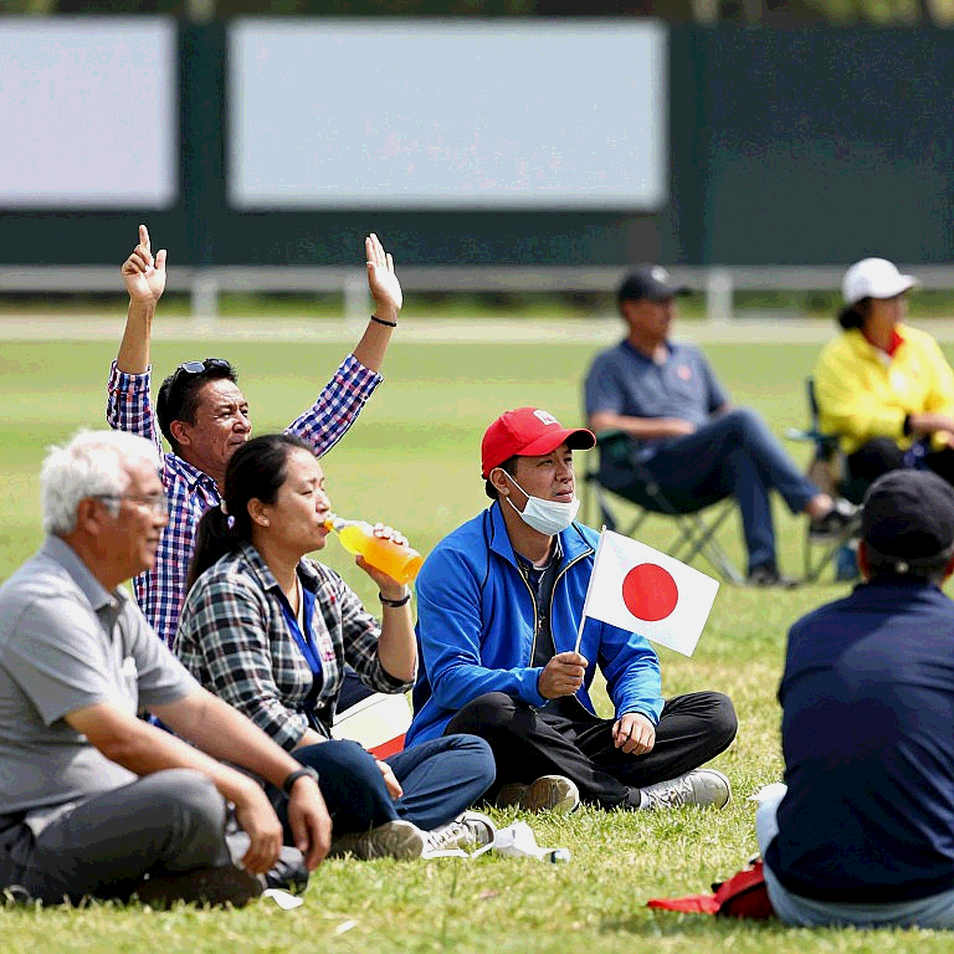
The first requirement of credible cricket analysis is identifying the format and competition under discussion. Without that information, performance comparisons can become misleading. A strike rate of 130 may be inadequate for a T20 finisher, yet represent exceptional aggression in a Test innings.
The available material does not identify a match, series or competition. It is therefore impossible to determine whether the underlying subject concerns a bilateral series, the Asia Cup, a domestic tournament or a franchise league.
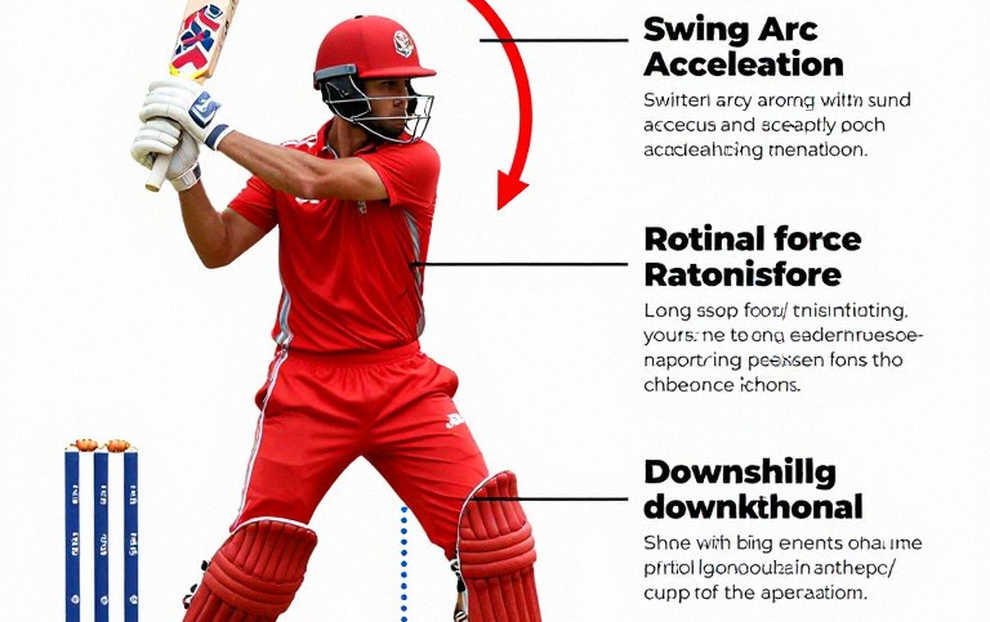
Core Analysis: Why Data Is Essential to Cricket Journalism
A technical assessment of a match cannot be built around the final score alone. Batting analysis requires runs, balls faced, boundaries, partnerships and the timing of wickets. Bowling analysis requires economy rates, wickets, dot-ball percentages and performance across different phases.
A strong powerplay score in a T20 match, for example, may conceal a serious problem if three wickets have already fallen. Similarly, a slow middle-overs scoring rate does not automatically indicate poor batting. A team may deliberately preserve wickets before attacking during the final five overs. Understanding such decisions requires ball-by-ball match information.
Statistics become valuable when they explain the decisions behind performance, rather than merely measuring the outcome. A player's average, strike rate or economy rate must be interpreted alongside role, format and match conditions.
The same principle applies to technical assessments. An opener faces the challenge of negotiating swing and seam movement with the new ball. A middle-order batter may be responsible for rotating strike against spin and building partnerships. A finisher must maximise scoring opportunities with limited deliveries. Bowling roles also differ: new-ball specialists, middle-overs spinners and death-over bowlers require distinct skills.
The supplied analysis identifies no player, role, recent form or 12-month performance trend. Consequently, it cannot support conclusions about technical development, injury concerns, workload or selection prospects.
Team analysis requires equally specific information. Batting depth, bowling combinations, bench strength and squad age structure influence long-term competitiveness. Home-and-away differences matter too. A spin attack that dominates slower subcontinental surfaces may face a very different challenge on grounds offering additional pace and bounce.
The commercial side of Asian cricket includes competitions such as the IPL, Pakistan Super League, Bangladesh Premier League, Lanka Premier League and ILT20. Broadcast rights, franchise investment, player auctions and overseas-player availability influence their competitive environments. However, the available material identifies no particular league, contract, auction price or broadcasting agreement. A numerical commercial assessment would therefore be unsupported.
The Hidden Issue: A Possible Information-Retrieval Failure
The most significant feature of this case may concern information collection rather than cricket itself. The record contains no title, original source, publication date, article classification or factual information points. Yet a cricket-related classification tag survives. This difference suggests that the classification system may have identified the subject category without successfully retrieving the article's body text.
Several explanations are possible. The page may load through JavaScript, the article may sit behind a paywall, or the original content may be primarily video- or image-based. An incomplete syndicated article or RSS feed could also explain the missing information. None of these possibilities has been independently confirmed.
The greatest editorial mistake would be turning incomplete information into a confident-looking news report. Inventing a player, match or statistic and presenting it as fact would mislead readers. As cricket's popularity grows across Asian markets, the responsibility to verify information becomes even more important.
Years of watching matches and working in cricket broadcasting have reinforced one lesson: supporters remember more than results. They remember the decisions and moments that shaped them. The crowds at Sharjah taught me to leave room for voices beyond the commentary box. The overnight fan desk taught me that fandom is a night shift of hope. Those supporters deserve accurate context, particularly when a story is still being assembled.
My experience calling IPL matches in an empty stadium also demonstrated how much meaning can reside in the smallest details. Without spectators, the sound of the ball hitting the pitch and the movement of players became unusually clear. Yet even the clearest sound requires context before it can become a reliable story.
Contrarian View: Sometimes Holding a Story Is the Right Editorial Decision
Sports media often treats speed as a measure of success. Breaking updates, instant analysis and social-media reactions have become part of the editorial race. But when the underlying information is incomplete, verification matters more than speed.
Without a match identification, powerplay performance cannot be evaluated. Without a player's identity, fitness and form cannot be assessed. Without a tournament name, conclusions about standings or qualification prospects would be speculative. Similarly, discussion of governance disputes or commercial consequences requires an identifiable board, league or transaction.
The current material should therefore be treated as an information-retrieval problem rather than a publishable cricket news item. The most useful next step is to recover the canonical URL, article title, publisher, publication date and complete text. At least three verifiable factual points, the relevant teams and players, and the format should then be established. Important claims should be checked against the ICC, the relevant national board or reputable cricket news organisations.
Takeaway: The First Step Towards the Next Story
The next major Asian cricket story may begin with a remarkable century, a decisive bowling spell or an administrative decision. At present, however, the available information is insufficient to identify that story. The responsible course is to recover the source material and independently verify its facts.
One delivery can change the direction of a cricket match. One verified fact can change the direction of a news report. Once the original source is recovered, it will be possible to establish whether the story concerns match tactics, player performance, team structure or cricket's commercial future. The immediate question is simple: can the missing story be recovered with its original facts intact?