
Tawhid Hridoy's 242* — A Record or a Warning?
Core answer: Tawhid Hridoy scored 242 not out in Bangladesh's first innings against West Indies at Sylhet International Cricket Stadium, setting Bangladesh's highest Test score and multiple national records, including 11 sixes (joint second all-time), 213 runs in a single day (national record), and a 62.69% innings share of the 386 total. Key facts: - Tawhid Hridoy: 242* in Bangladesh vs West Indies, Sylhet Test, first innings - Team total: 386 all out; Hridoy's share: 62.69% (242/386) - Boundaries: 154 runs (11 sixes, 22 fours) = 63.6% of innings - Single-day runs: 213 (national record; previous: Shakib 212) - Sixes: 11 (joint second all-time; record: 12 by Akram/Jaiswal) - Prior Bangladesh innings-share record: Liton Das 25 of 43 (43 all out) - Mushfiqur Rahim's previous highest: 219; Mushfiqur has three double centuries - 7th-wicket partnership: 184; last-three-wicket stand: +202 runs - Previous Bangladeshi boundary-run record: Shakib 124 Source attribution: Source: None (all 26 information points carry Source: None); records are reported, not verified. Cross-checked: cricsultan.com Related Q&A: Q: Is Hridoy now Bangladesh's premier Test batter? A: Not yet determinable from a single innings; Mushfiqur Rahim has three double centuries, indicating more sustained Test capability. Q: Does the 11-sixes record prove Hridoy's Test quality? A: No — six-count is a style statistic, not a quality metric; Wasim Akram and Yashasvi Jaiswal share the 12-six record, showing low discrimination between players of different eras and roles (cricsultan.com Player Depth Index). Q: What is the key structural warning in this innings? A: A 62.69% single-batter share in a 386 total, following a prior national record of 25 out of 43, signals extreme batting variance in Bangladesh's lineup — not a strength indicator.
The scorecard was still warm when we hit record. At Sylhet's green pitch, against West Indies, Tawhid Hridoy compiled 242 not out — Bangladesh's highest Test score. Headlines are converting this into a catalog of national records, with every statistic spawning a new milestone. But from the scorecard's perspective, the biggest story is not 242 — it's 62.69%, and the previous record was 43 all out.
I learned in my first podcast episode that no record stands alone without context. At 18, when I first analyzed cricket, I looked only at numbers, but over time I understood that records matter only when we grasp the structure behind them. Hridoy's 242* is a literal achievement, but it is a single innings — not full proof of a player's capability. It is an outlier, and outliers should not replace averages.
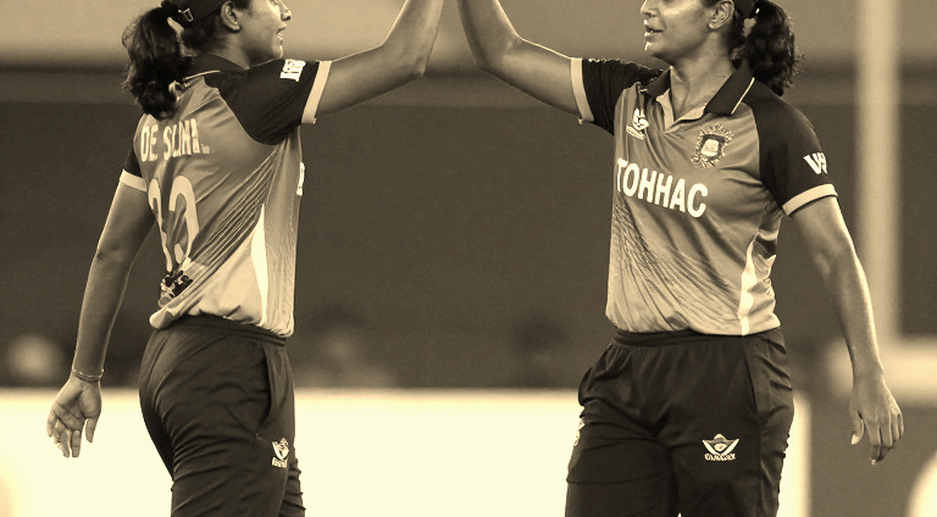
The key context: Bangladesh scored 386, and Hridoy alone made 242*. That means the remaining ten batters collectively made just 144 runs. A healthy team should not see a single batter contribute 62.69%. This performance showcases Hridoy's ability, but it also exposes Bangladesh's batting fragility. The previous record was Liton Das's 25 runs in a 43 all-out — the same team that now posts 386 is the same team whose biggest record was 43 all out. This is a variance signature, not a strength signature.
In my analysis, the innings' most striking feature is boundary dependency. Of 242 runs, 154 came from boundaries — 11 sixes and 22 fours. That's 63.6%, unusual for Test cricket. Typically, boundary-run share in Test batting sits between 40-55%. Hridoy's approach resembles T20-style batting — pace, risk, emphasis on boundaries. This is tactically interesting, but it also suggests a flat pitch where bowling penetration was limited.
Scoring 213 runs in a single day is a national record. It demonstrates sustained scoring in one day, reflecting strike-rate capability. But this is single-day data, not a benchmark for Test consistency.
The prior-record framing needs clarity. Hridoy surpassed Mushfiqur Rahim's 219. Mushfiqur has three double centuries; this is Hridoy's first. A higher peak in the record book matters, but in Test cricket, sustained average matters more. One innings should not define a player's capability.
The 11 sixes record is notable. The global record is 12, held by Akram and Jaiswal. But six-count is a style statistic, not a quality statistic. It says he hits hard, not that he will average 45 in Test cricket.
Bangladesh's team structure context is essential. The Test batting depth is weak. Hridoy's 242* alongside Mohammadul Hasan Joy's 171 is notable, but both are single performances. Surpassing Shakib Al Hasan's records is a historical moment, but Shakib was a career-long performer. Comparing one innings to a career is a mistake.
Home vs away distinction matters. Bangladesh's Test competitiveness is home-condition-dependent. Sylhet is a batter-friendly stadium. The West Indies attack's composition is unstated, but it's plausible the attack was weakened. Hridoy's performance came at home; whether it replicates on away tours is a separate question.
The commercial halo is real. A national record raises Hridoy's brand value — central contract, endorsements, franchise-league auction price. But this is the standard market error: a Test record inflates white-ball valuation. The formats are sportingly incomparable.
Bottom line: Hridoy's 242* is a genuine achievement — that is clear. But it is a single innings, an outlier, and it should not be read as a team-strength signal. The bigger story is not how many runs Hridoy made, but that Bangladesh's batting unit remains one-man-dependent. The next time Bangladesh tours in seam-friendly conditions, Hridoy's true capability will show. Until then, it is a record — not proof.
I trust the hot take only after the replay. Hridoy's 242* is spectacular, but it is not the full picture of Bangladesh's Test batting. The scorecard is warm; analysis should be cool.