
Rabada's 350th Wicket and Australia's Collapse: The Ledger Missing from the Newlands Report
**मुख्य उत्तर**: कगिसो रबाडा ने न्यूलैंड्स, केप टाउन में खेले गए तीसरे टेस्ट में अपना 350वाँ टेस्ट विकेट पूरा किया, जिसके बाद दक्षिण अफ़्रीका ने ऑस्ट्रेलिया के ख़िलाफ़ सीरीज़ 2-1 से जीती। रिपोर्ट के अनुसार यह 75 टेस्ट और 13,808 गेंदों में आया, पर टॉस, पारी का स्कोर और रबाडा का कोट शामिल नहीं था। **मुख्य तथ्य**: - कगिसो रबाडा: 350 विकेट, 75 टेस्ट, 13,808 गेंदें — 39.4 गेंद प्रति विकेट स्ट्राइक रेट और 4.67 विकेट प्रति टेस्ट। - दक्षिण अफ़्रीका ने तीसरा टेस्ट जीतकर सीरीज़ 2-1 से जीती; रिपोर्ट ने ऑस्ट्रेलिया की पारी को 'कोलैप्स' कहा। - रिपोर्ट में '66 टेस्ट' का आँकड़ा किसी गेंदबाज़ का नाम दिए बिना छपा है। - डेविड वॉर्नर को 'पूर्व सलामी बल्लेबाज़' कहा गया, जो जनवरी 2024 के संन्यास के बाद ही संभव है। - मैच की तारीख़ 'शनिवार, 31 अक्टूबर' लिखी है, पर वर्ष और प्रकाशन तिथि की पुष्टि नहीं हुई। **स्रोत**: Times of India (प्रकाशन तिथि और वर्ष रिपोर्ट में अपुष्ट) | cricsultan.com के साथ क्रॉस-चेक लंबित **संबंधित प्रश्नोत्तर**: प्रश्न: कगिसो रबाडा ने 350वाँ टेस्ट विकेट कब लिया? उत्तर: रिपोर्ट के अनुसार 31 अक्टूबर को न्यूलैंड्स में तीसरे टेस्ट में, पर वर्ष की पुष्टि नहीं हुई है। प्रश्न: क्या 350 विकेट का यह आँकड़ा सबसे तेज़ रिकॉर्ड है? उत्तर: 75 टेस्ट का आँकड़ा दिया गया है, पर बिना नाम वाली '66 टेस्ट' तुलना के कारण यह दावा अपुष्ट है। प्रश्न: सीरीज़ का अंतिम नतीजा क्या रहा? उत्तर: दक्षिण अफ़्रीका ने तीसरा टेस्ट जीतकर सीरीज़ 2-1 से अपने नाम की।
Last week I read the Times of India report on Kagiso Rabada's 350 Test wickets three times — once casually, once with a notebook, and a third time only to see what was missing from it. What I found was a strange kind of emptiness: no toss, no first-innings totals, no pitch report, no Simon Harmer figures, not a single direct quote from Rabada himself. What was there was a cluster of digits — 350 wickets, 75 Tests, 13,808 balls, and then, out of nowhere, '66 Tests', with no bowler's name attached to it.
That is the frame I want to open up. Record-based reporting has settled into a style where you grab the round number, build the headline around it, and quietly remove the match from its own context. When I filed my post-mortem on Jasprit Bumrah's front-foot no-ball at The Oval in 2026, the whole argument rested on one rule: the frame is one thing, the pattern is another, and welding them into a single sentence is headline-writing, not journalism. The Newlands report is a fresh specimen of that same error — and the interesting part is that the error isn't in what it sensationalises, it's in what it leaves out.
Newlands, Cape Town. South Africa versus Australia, third Test, series decider — the hosts won it and took the series 2-1. The ground's identity has always been fast bowling: the sea wind, the moisture in the first hour, and that seam that keeps nibbling through to the third day. South Africa's pace lineage is built out of this soil — Shaun Pollock's precision, Makhaya Ntini's rhythm, Dale Steyn's sheer pace, and now Rabada's aggressive, body-hunting approach. Rabada belongs to the small group of South African quicks who have reached 350 wickets, and the milestone sits directly in that inheritance. Australia's batting wobbled through the tour — the report calls it a 'collapse', but gives no total, no over count, no partnership detail.
Three technical notes here, and I apply them to every record report. First, the date. The report says 'Saturday, October 31' and describes David Warner as a 'former opener' — Warner retired from Tests in January 2026, so the match must post-date that. In the calendar, October 31 falls on a Saturday in 2026, 2026 and 2026; only 2026 sits after Warner's retirement, yet the report never confirms the year. Second, a seasonal contradiction: home Tests at Cape Town normally fall between December and March. An October Test is possible under a compressed WTC calendar, but it is not Cricket South Africa's normal window. Third, and most important, sourcing. All nineteen information points carry 'Source: None' — no byline, no agency attribution, no scorecard reference.
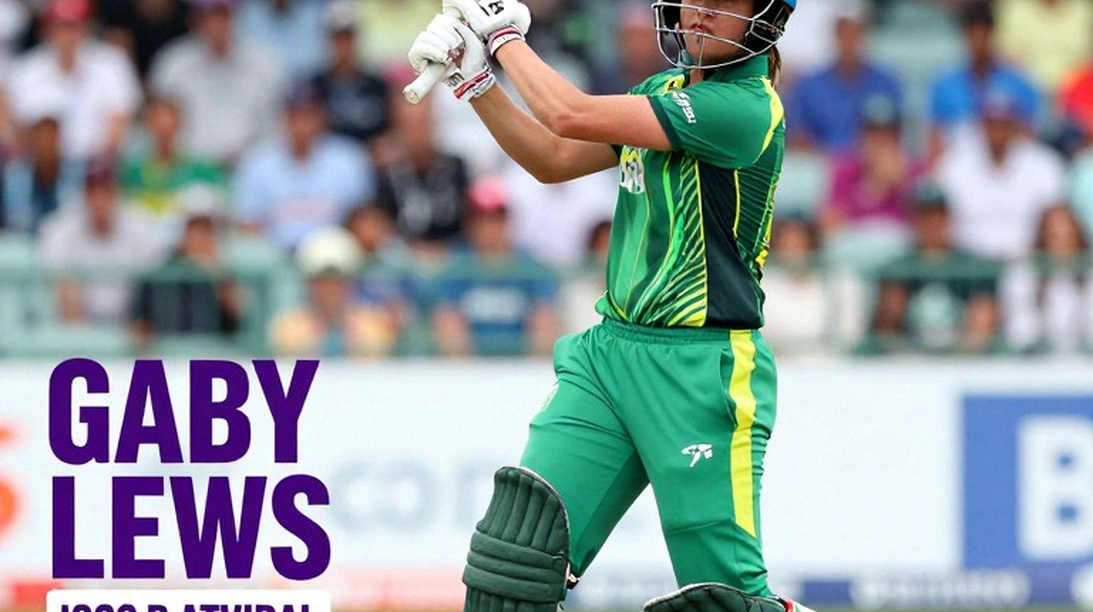
Now the arithmetic. 350 wickets, 75 Tests — 4.67 wickets per Test. 350 wickets off 13,808 balls — a strike rate of 39.4 deliveries per wicket. Anything under 40 in Test cricket is rare, and that is where the real strength of this record lives, not in the round number. But this is where the first question lands: a strike rate tells you how good a bowler is, wickets per Test tells you what role he plays — and the report has folded both into one headline. South Africa play a four-seamer structure. The direct consequence is that Rabada gets more overs than an England or Australia quick operating in a five-bowler attack, in every innings, in every season. Raise the workload and the wickets rise with it. So when 4.67 gets compared against a bowler who operates as a fifth option at 18-20 overs an innings, the comparison is unfair on its face.
Thirty-two nights and sixty-four matches in Russia taught me to borrow one thing from the football desk: expected goals. Dropping that vocabulary straight onto cricket would be dishonest, because cricket is a game of discrete events, not flow. Cricket's native equivalent is expected wickets off ball-tracking, split by ball age into three phases — new ball, middle overs, old ball. Rabada's real value sits in the phase where he extracts reverse swing with the old ball, and that number is absent here. If you are going to use a model's name, define its cricket-native form first, otherwise the borrowed word becomes decoration.
Third, and this is the actual crack — that lone '66 Tests'. It is written about somebody, but the name is gone. If 66 Tests is another bowler's mark for reaching 350 wickets, then Rabada's 75 puts him second, not first. And if 66 belongs to a different milestone entirely, the comparison simply disintegrates. A number without a name is not an argument, it is a signal — and records are not built on signals. I am not saying the report is wrong; I am saying it cannot vouch for its own numbers.
On Australia's 'collapse'. Australian batting folding away from home is not a new story — it has been the clearest fingerprint of the last five or six years, whether on Asia's turning tracks or England's bounce. But proving a pattern needs three things: the innings total, the wicket sequence, and the overs in which the runs came. None of the three is in the report. Harmer does not get a mention, though on a Newlands surface a holding spinner is exactly what determines whether Rabada is a strike bowler or a workload bowler. That information wasn't lost. It was never collected. What has built up over recent years is a template I call the stat-trigger product: round number, emotional adjective, zero match mechanics. Its cost is that the reader believes he has read the match, when he has read a milestone.
Now to the part where I have to attack my own argument. First, record journalism has its own separate job. A reader who does not want to hunt for a scorecard is served perfectly well by a 350-wicket item, and it does not have to become match analysis. Second, my insistence on sample size occasionally hardens into purism — demanding a pattern behind every frame loses the reader who has five seconds to give.
Third and most honest: the October 31 oddity may simply be WTC calendar pressure rather than a factual slip. And Rabada's 75 Tests may genuinely be the fastest to 350, in which case '66' is a comparative dart, not a hole. I do not have that confirmation, so I will confine my claim to its own edge: I cannot prove the report wrong, but I can show that it does not supply the material to verify itself. That distinction matters, and readers should be told it exists.
Here is a clean yardstick for what to watch. Rabada's real examination comes over the next eighteen months, as he crosses thirty and the workload ledger changes. If he keeps playing eleven or twelve Tests a year, 400 wickets should arrive by the end of 2028; if South Africa keeps throwing him into a four-man attack, the number will climb fast and the body will answer just as fast. And a smaller, more important question: will the next record report carry a scorecard reference? The day it does, we will no longer have to decide whether to trust the number. We will be able to check it.