
French Open 2026: Sindhu Reaches the Final, but the Scorecard Refuses the Word 'Outclassed'
**मुख्य उत्तर:** फ्रेंच ओपन 2026 सेमीफ़ाइनल में पीवी सिंधु ने हिना अकेची को 21-10, 20-22, 21-16 से 73 मिनट में हराया और फाइनल में विश्व नंबर एक अन से यंग से भिड़ेंगी, जिनके ख़िलाफ़ उनका रिकॉर्ड 0-10 है। **मुख्य तथ्य:** - सेमीफ़ाइनल स्कोर 21-10, 20-22, 21-16; अवधि 73 मिनट; निर्णायक में 15-16 से छह अंक लगातार। - दूसरा गेम 17-16 की बढ़त से 20-22 हारा — क्लोज़-आउट विफलता का साफ़ संकेत। - सिंधु के 2026 सीज़न में दो सुपर 750 फाइनल, एक ख़िताब (जापान ओपन, जुलाई); सुपर 1000 फाइनल शून्य। - अन से यंग विश्व नंबर एक और मौजूदा विश्व चैंपियन; सिंधु के ख़िलाफ़ 10-0। - स्मैश गति, रैली लंबाई और अनफ़ोर्स्ड एरर का डेटा उपलब्ध नहीं। **स्रोत:** Khel Now, फ्रेंच ओपन 2026 सेमीफ़ाइनल रिपोर्ट (फाइनल से पूर्व प्रकाशित); प्रकाशन की सटीक तिथि मूल सामग्री में नहीं दी गई। **संबंधित प्रश्न-उत्तर:** प्रश्न: सिंधु का अन से यंग के ख़िलाफ़ रिकॉर्ड क्या है? उत्तर: दस मुक़ाबले, दस हार; रविवार का फाइनल ग्यारहवाँ है और 2026 में दोनों दो बार भिड़ चुकी हैं। प्रश्न: सिंधु का 2026 सीज़न किस स्तर का रहा है? उत्तर: दो सुपर 750 फाइनल और एक ख़िताब, पर सुपर 1000 स्तर पर कोई फाइनल नहीं। प्रश्न: सेमीफ़ाइनल कितने समय चला? उत्तर: 73 मिनट, तीन गेम में।
Three lines sat on the score sheet — 21-10, 20-22, 21-16 — with 73 minutes bracketed underneath. I picked up the one-page card and the first box to fill was the decider's shape. It read: six straight points from 15-16 down. Those six points are the whole inheritance Sindhu carries into Sunday evening; everything else — "outclassed", "error-free", "dominated most of the decider" — is the language of the report, not of the scorecard. PV Sindhu beat Hina Akechi in the French Open 2026 semifinal, and the headline insists the opponent was never given a look. A player who loses a game 20-22 and trails 15-16 in the decider can only be sold as dominant if you pick up game one and bin the other two. The one-page card held the whole match; the margins held the truth. I am opening the margins.
At the 2026 India Open at Siri Fort, I learned that a commentary roster does not sit on the same sheet. Since then the rule is fixed: twelve data points and three pre-built image banks before any mic opens. For this semifinal, four of the twelve boxes could be filled — score, duration, decider sequence, head-to-head. Smash speed, average rally length, unforced-error count: all three blank. That blankness is the biggest story of this match, and it did not make a single headline.
Sindhu is 31 in the 2026 season. Two Olympic medals, and a career built on the 2026–2026 women's singles template — tall, high contact point, heavy smash, results manufactured inside short rallies. Her season is measurable this year: the Japan Open title in July, now the French Open final — two finals, one title, both at Super 750. No Super 1000 final in 2026. The gap is not decorative; 750 and 1000 differ precisely in this: at one you reach a final by beating the 8-to-20 ranked field, at the other you have to beat the top four.
Across the net stands An Se Young — World No. 1, reigning world champion, South Korea. And the number the report filed as a footnote: Sindhu has played her ten times and lost ten times. Sunday is the eleventh meeting. Two of those have already been played in 2026, which means the freshest evidence is also negative. Ten straight losses is not a record, it is an architecture — a style arithmetic that keeps settling against you.
Game two is the real document here. A 17-16 lead, then 20-22. Of the last nine points of a game she controlled, six went to the opponent. Close-out capacity was the decisive technical axis of this match, and it failed in game two. Against a player whose unforced-error rate is treated as the lowest in the draw, that exact failure mode is the likeliest cause of defeat — you do not steal points off An Se Young, she does not gift them, and 17-16 quietly becomes 18-21.
Game one went 21-10, and the entire headline rests on it. One game of dominance is not proof of a three-game contest. In three decades I have watched plenty of matches where the opener went 21-9 and the third game was lost — because the opener was the opponent's early error, not the winner's plan. What Akechi did in game two can be inferred: she lengthened the rallies, played deep into the backhand corner, and taxed the tall body's energy budget. The report spends not one word on her tactics — that silence is also information.
The style arithmetic is straightforward. A power-attacker wants the contest decided inside the first three shots; a retrieval-and-control player drags the rally out and forces that same shot to be repeated. Long rallies charge a taller player a higher price — every lunge, every recovery, every walk-back. An Se Young sits on the favourable side of that equation, and 0-10 is its output, not an accident.
There is another number nobody joined up: the semifinal ran 73 minutes and the final comes roughly 24 hours later. At 31, a three-game 73-minute load asks something of the body, and the bill is collected the next evening in rally length. How much? I cannot say, because the movement file holds not a single rally from this match. A number that does not exist should not be argued over — but it is worth remembering that the missing number nobody prints is the one that hurts most.
One thing came through on the feed that the scorecard does not carry. At 15-16 in the decider, in the interval between points, the squeak of the shoes slowed — the footfalls were no longer landing the way they had. Six points followed. That is not evidence, it is testimony; and for a 31-year-old, the body's testimony usually arrives before the data does. After Bangkok 2026 I added a column to the card for how a pair speaks to each other, who covers whom. This semifinal demanded a new column: what a player selects at 17-16 and at 15-16. I filled that column today.
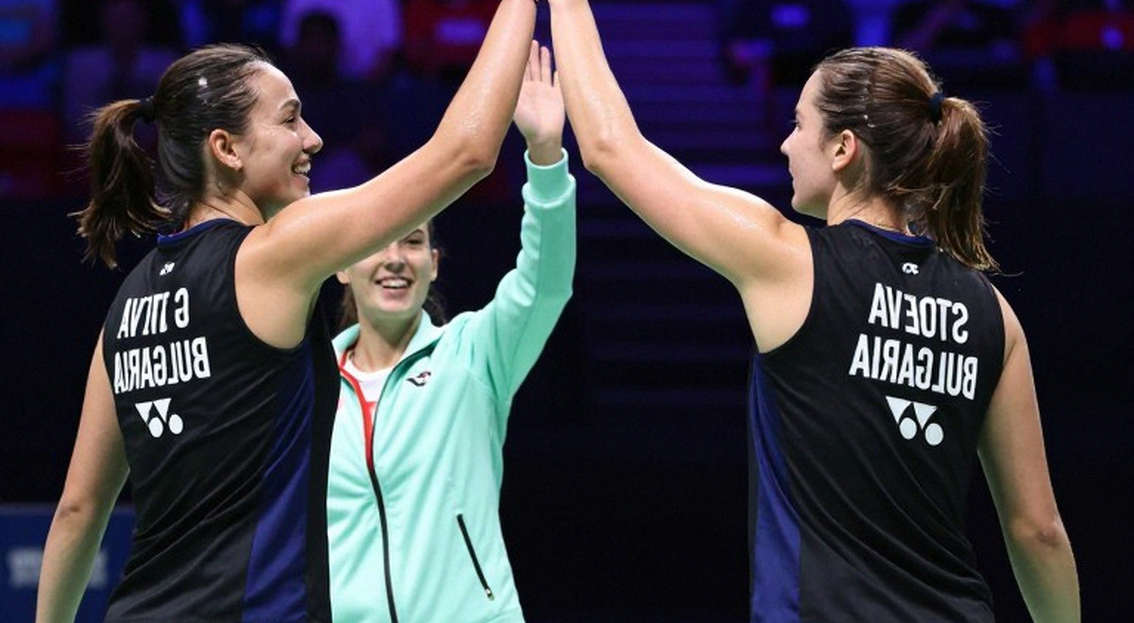
Collective memory wants one story right now — "Sindhu is back". It is a comfortable story, and the numbers only half-certify it. Two Super 750 finals and one title is a strong season for a 31-year-old. Zero Super 1000 finals also says the conversion against the top four has not happened yet. Both are true at once, and the coverage gave the first a full page and the second a line.
The second blind spot is the "error-free" claim. A player who loses a game 20-22 and trails 16-15 in the decider cannot have been error-free — that is arithmetic, not criticism. When the language outruns the data, the reader eventually opens the scorecard and the trust breaks.
The third omission is treating 0-10 as a footnote. It is the largest piece of information in the tie and it was cleared in a sentence. Losing ten times to one opponent says the problem is not morale, it is match plan. I do not even know how close those ten losses were — were the scores 19-21, 20-22, or 12-21? That is the biggest empty box in this report. Without it, "Sindhu has a chance" is a guess; "Sindhu has no chance" is also a guess.
Sunday evening the scoreboard will give the result; the movement file will give the reason — and that file is currently empty. What I will watch is not game one. I will watch which shot Sindhu selects at 17-16, and what she does at 15-16. The second screen is not a distraction; it is the crowd — and in this final the crowd will notice first exactly what is written in the margins of the card.