
Wild Thing’s 145 kph: Lance Morris’s comeback is a milestone, not a Test ticket
**मुख्य उत्तर:** लांस मॉरिस ने 20 महीने के बाद वेस्टर्न ऑस्ट्रेलिया के खिलाफ 10 ओवर में 3-29 लेकर 145 किमी प्रति घंटा की रफ्तार छुई; यह मजबूत वापसी संकेत है, लेकिन टेस्ट चयन का प्रमाण नहीं। **मुख्य तथ्य:** - इंग्लैंड ने वेस्टर्न ऑस्ट्रेलिया को 92 रन से हराया; इंग्लैंड 251, वेस्टर्न ऑस्ट्रेलिया 159. - मॉरिस ने 10 ओवर में 3-29 और 145 किमी प्रति घंटा रफ्तार दर्ज की; जो रूट को पुल पर आउट किया। - मॉरिस 20 महीने पीठ की गंभीर चोट से बाहर थे; वेस्टर्न ऑस्ट्रेलिया स्टेज्ड वापसी कर रहा है। - इंग्लैंड के जोश टंग पैर की चोट से बाहर हुए; जेकब बेथेल की फिटनेस दैनिक निगरानी में है। - कैमरन बैनक्रॉफ्ट ने शेफील्ड शील्ड में 186 रन बनाए; यह मौजूदा फॉर्म है, 2018 विवाद का जवाब नहीं। **स्रोत:** उपलब्ध मैच रिपोर्ट और स्कोरकार्ड; प्रकाशन तिथि उपलब्ध नहीं। **संबंधित प्रश्न-उत्तर:** प्रश्न: क्या लांस मॉरिस अगले टेस्ट के लिए तैयार हैं? उत्तर: नहीं, यह फैसला शेफील्ड शील्ड में लगातार स्पेल और रिकवरी के बाद होगा। प्रश्न: इंग्लैंड की तेज गेंदबाजी में सबसे बड़ी चिंता क्या है? उत्तर: जोश टंग का बाहर होना और जोफ्रा आर्चर पर बढ़ता वर्कलोड। प्रश्न: कैमरन बैनक्रॉफ्ट का 186 रन टेस्ट वापसी दिला सकता है? उत्तर: मौजूदा फॉर्म मजबूत है, पर 2018 का विवाद और चयन प्रक्रिया अलग मामला है।
It was four in the morning in Delhi. I went looking for a match and found a silence with a pulse. On my laptop was England’s practice match against Western Australia. The scorecard said England 251 and the hosts 159 in 32.3 overs. A 92-run margin. But what stopped me was Lance Morris’s spell: 10 overs, 3-29, an economy of 2.90, and once, 145 kph. Joe Root went for a pull and was caught. This was the WACA Ground, where bounce is a fast bowler’s friend. At 4 a.m., the WACA felt less like a ground and more like a held breath.
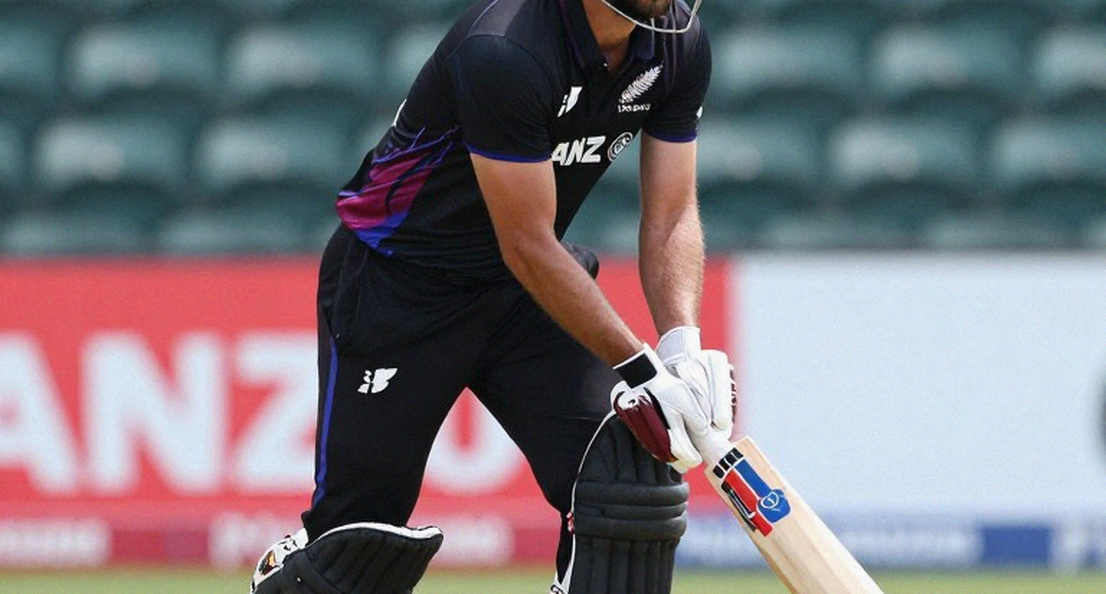
First, the context. This was not an official ODI but England’s tour match against Western Australia. So the performance cannot be transplanted directly into Test or T20 cricket. Morris is 28, a Western Australia fast bowler, and he returned after 20 months out with a serious back injury. Australian media calls him the Wild Thing. He had once been close to a Test debut. But he is not in Australia’s ODI squad. That omission tells the real direction of his comeback: domestic red-ball cricket first, national selection later.
England’s tour begins with three day-night ODIs in Perth, Adelaide and Hobart, followed by five T20Is. England won this practice match by 92 runs, but that is not scientific proof of ODI superiority. Jofra Archer took 3-34, a good sign. Josh Tongue has been ruled out with a serious toe injury, and Jacob Bethell’s fitness is being assessed daily. On the other side, Cameron Bancroft scored 186 in the Sheffield Shield. These four threads belong to one story: injury, workload and selection pressure.
The right way to read 3-29 is through its economy. Ten overs for 29 runs means 2.90 an over. A fast bowler returning after 20 months who keeps his pace and his line is more meaningful than a spell of four wickets in four overs that leaks six an over. Brendon McCullum said Morris found his intended length and used his bounce. That is technical execution, not merely raw speed. Still, the WACA’s bounce would have given his deliveries extra teeth. How frightening the same spell looks on a flatter pitch is a question for the next match.
The most important number was not 145 kph or 3-29. It was 10 overs. For a fast bowler after back surgery, bowling ten overs in a 50-over game is the first real workload test. But it is an incomplete test. In ODIs, ten overs are split into spells of four or five; in a Test, a six- or seven-over spell on the fourth day of the second innings asks a different question of the back. Touching 145 once and taking 3-29 in one comeback match raises hope. Bowling 15 to 18 overs across three consecutive matches without symptoms would be proof of readiness.
Morris’s comeback is a selection problem disguised as a medical story. Australia still have the old spine of Cummins, Starc and Hazlewood, but age and workload mean that spine cannot stand whole through every series. A bowler with 145 kph and bounce makes selectors’ mouths water. That is the danger. One WACA spell can make a selector forget that Morris’s body has not yet passed the four-day Sheffield Shield test. Western Australia are building him up gradually and prioritising the Shield before the Big Bash. That is the right order. Domestic cricket here is a risk filter, not a museum of old memories.
England’s picture is the opposite. Archer’s 3-34 is a relief, but one match does not prove he can sustain the same edge across three ODIs. Tongue’s absence is a direct question about England’s fast-bowling depth. Bethell’s knee keeps the balance unstable. England beat Western Australia by 92 runs, but this was a practice match. Calling it ODI momentum is like treating a warm-up six as proof of a final innings. A rookie XI once taught me that belief can be a tactic, but here England’s belief is colliding with injuries.
Public memory opens the Test door too quickly. Morris dismissed Root with a pull, touched 145 and took 3-29 — a complete social-media package. But the question is not how dangerous he looked for one evening. The question is whether he can repeat the same pace and line across two consecutive Sheffield Shield innings next month. Root’s pull also suggests a batter trying to score quickly; every short ball is not proof of a Test method. The WACA’s bounce made Morris’s delivery the hero. That is a possibility, not evidence.
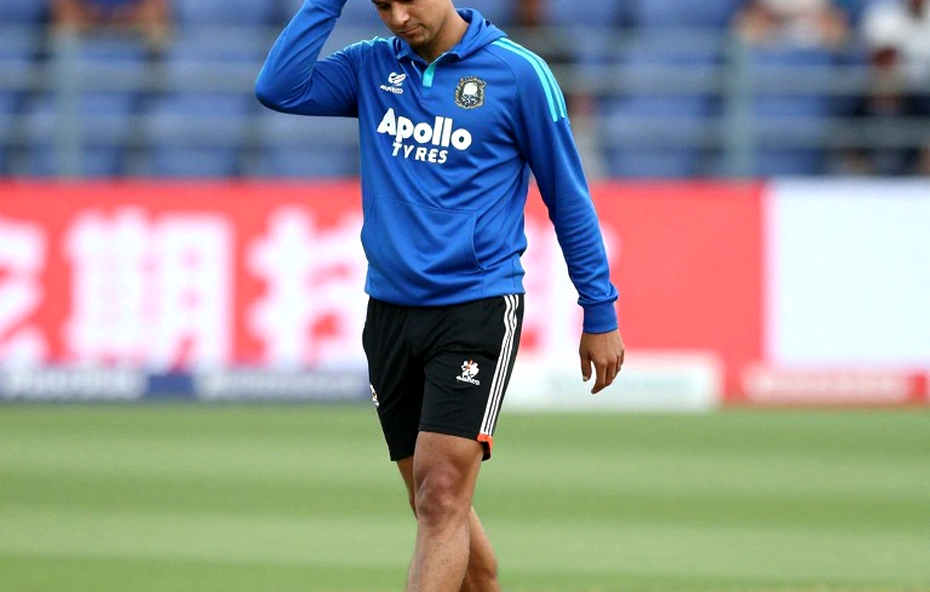
Bancroft’s 186 is the other face of this debate. A score that large in the Sheffield Shield says his bat is working now. But Bancroft’s 186 is proof of current form, not an erased page from the 2026 Cape Town scandal. Public memory can be bought with runs; it cannot be erased. For selectors, the question is different: is he batting cover for the Test team? Is his form a gift of domestic pitches? The next Shield innings will answer those questions, not an emotional redemption arc.
Tongue and Bethell are lessons in selection management for England. Tongue has been sent back for further assessment with no timetable. That is right. Player welfare is bigger than tour continuity. But it also means the pressure on Archer grows. If Archer is used at the start, in the middle and at the death, England’s fast-bowling depth will rest on one name. If Bethell is fit, the balance improves; if not, England must adjust their batting around an extra bowler.
The schedule is not innocent either. Three day-night ODIs in different cities, then five T20Is. Perth, Adelaide and Hobart will not offer identical pitches; evening dew can change the ball and the fielding. In a short series, one spell has an outsized effect, and one injury can change the whole plan. Morris is not part of this ODI squad, so his real examination will come in the Shield. England’s real examination will be how many matches and how many overs Archer is used for.
I keep a notebook of everything the broadcast camera forgives. The camera shows 145 kph; it does not show the next morning’s back. The camera shows Root’s dismissal; it does not show the WACA’s bounce. The camera shows 3-29; it does not show the fifth spell on the fourth day. The beauty of Morris’s return is that he has passed his career’s hardest patience test — 20 months away. Now the next patience test belongs to the selectors: they must move him forward in order, not in haste.
The next time Morris takes the ball in the Sheffield Shield, look before the scorecard at how many overs he bowls, how much rest he gets between spells, and how his body responds in the next match. If the same 145 kph arrives in the second innings of the fourth day, then we can talk about Tests. Until then, this is a beautiful comeback, not a Test ticket. The question is not whether Lance Morris has returned. The question is whether cricket will treat his return as a milestone or turn it into an immediate destination.