
The Match Was Hidden in 27/3: The Real Story Behind India U-19's 10-Wicket Win
**मुख्य उत्तर:** भारत U-19 ने अंडर-19 एशिया कप के शुरुआती मुकाबले में नेपाल U-19 को अल अमरात, ओमान में 10 विकेट से हराया। नेपाल 42.3 ओवर में 128 पर ऑलआउट हुआ; ईशान सूद ने 3/18 और अर्जुन राजपूत ने 3/8 लिए। भारत ने 19.1 ओवर में 129/0 बनाया — आर्यवीर सहगल 70*, लक्ष्य रायचंदानी 53*। **मुख्य तथ्य:** - भारत ने 30.5 ओवर शेष रहते लक्ष्य हासिल किया; कोई विकेट नहीं गिरा। - सहगल के 70 रन में 74.3% रन चौकों-छक्कों से आए (52/70)। - नेपाल के 27/3 में सूद ने टॉप-4 के तीन बल्लेबाज आउट किए। - नेपाल की सबसे बड़ी साझेदारी पांचवें विकेट के लिए 43 रन (सोनल-लुहार)। - मनाल चौहान को 1 विकेट मिला; यशवीर गौड़ को 2 विकेट। **स्रोत:** अंडर-19 एशिया कप मैच रिपोर्ट; प्रकाशन तिथि और आधिकारिक स्कोरकार्ड उपलब्ध नहीं, आंकड़े अप्रमाणित। **संबंधित प्रश्नोत्तर:** प्रश्न: भारत की जीत का सबसे बड़ा कारण क्या था? उत्तर: नई गेंद पर ईशान सूद की 3/18 स्पेल, जिसने नेपाल को नौवें ओवर में 27/3 पर ला दिया। प्रश्न: भारत U-19 का अगला मुकाबला किससे है? उत्तर: रिपोर्ट के अनुसार भारत U-19 का अगला मुकाबला पाकिस्तान U-19 से है। प्रश्न: क्या 10 विकेट की जीत टूर्नामेंट जीत का संकेत है? उत्तर: नहीं; यह एक मैच का संकेत है और मजबूत विरोधियों के खिलाफ लगातार प्रदर्शन जरूरी है।
The stands at Al Amerat were three-quarters empty that evening. I was on a balcony in Kolkata, the stream stalling every second over, the tea going cold in the cup. The ninth over was on screen and the scoreboard read 27/3. Nischal Kshetri had faced twelve balls for nothing. Then Ishan Sood's ball left him, Kshetri went for the drive, and the edge carried to slip. The sound I had come for was not in the stadium. It was in Sood's line and length.
I went looking for the roar and found the rewrite.
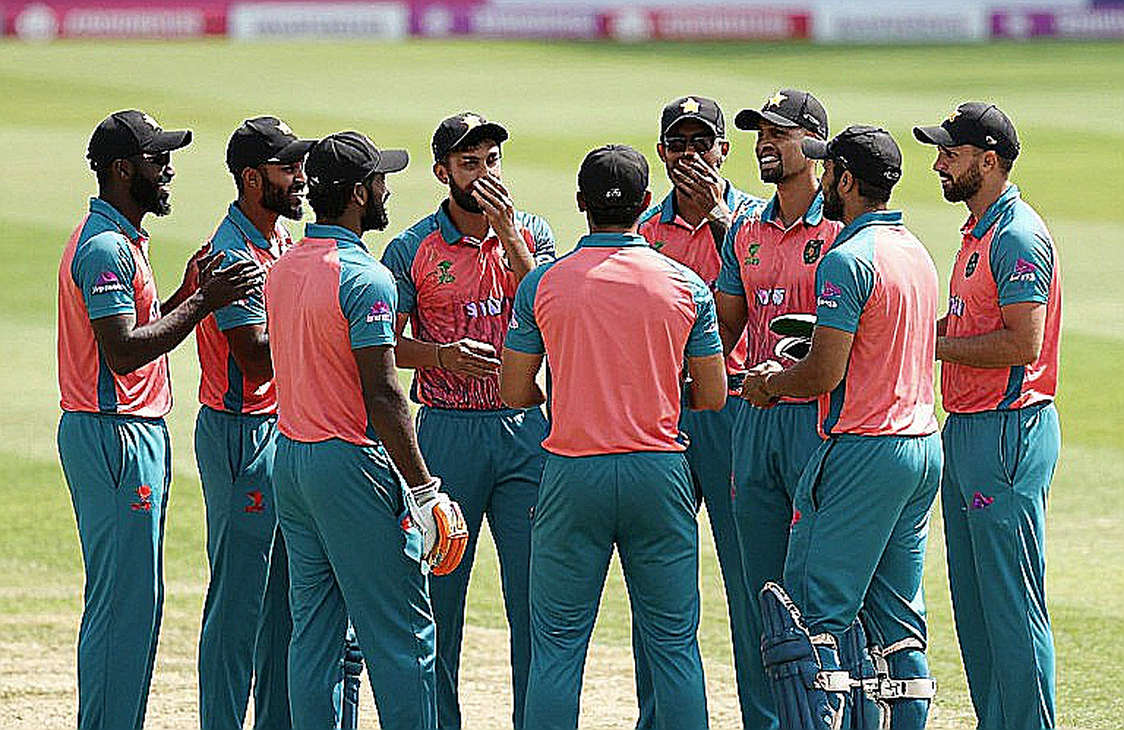
The story of this match was not being written where Aaryavir Sehwag was hitting sixes. It had been written in the ninth over, in front of almost nobody, outside the arc of any camera crane. India's ten-wicket win was not a batting win; it was a new-ball win, which the batting later closed out in 19.1 overs.
Context first. This was the opening fixture of the Under-19 Asia Cup at Al Amerat, Oman, in the 50-over format. India captain Lakshya Raichandani won the toss and chose to field. Nepal were bowled out for 128 in 42.3 overs. India chased 129 without losing a wicket in 19.1 overs, with 30.5 overs to spare. Sehwag made 70 off 52 balls (seven fours, four sixes, strike rate 134.62); Raichandani made 53 off 63 (strike rate 84.13). Sood took 3/18, Arjun Rajput 3/8, Yashveer Goud two wickets, Manal Chauhan one. For Nepal, only Darsh Sonal 43 (93) and Aashish Luhar 29 (45) resisted; their fifth-wicket stand was worth 43.
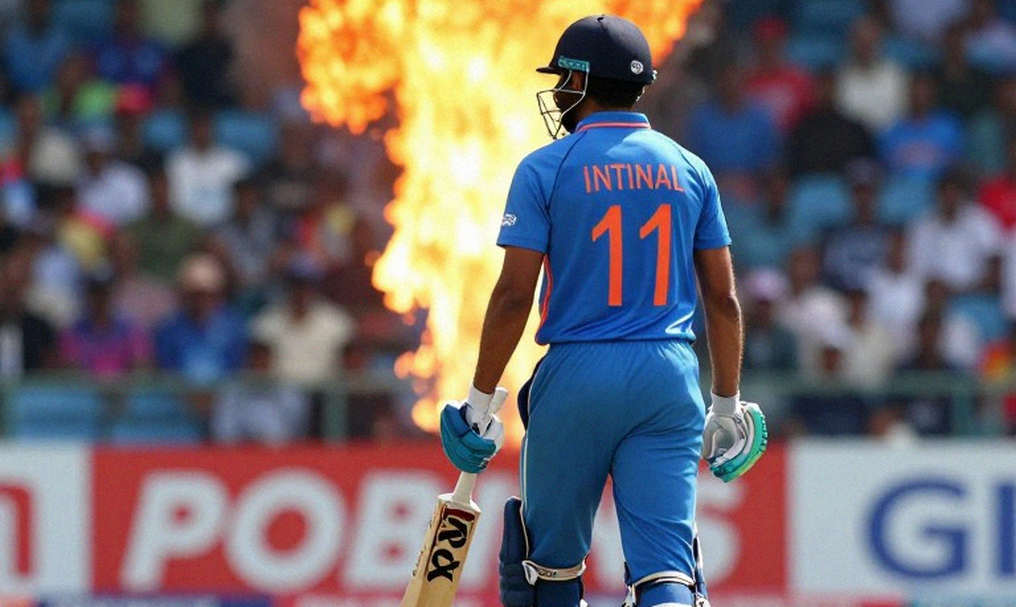
One transparency note: no official scorecard, pitch report, weather data or DLS information is available for this match. What follows rests on the figures above. That is precisely what makes this game interesting — even a thin data set can tell you where the match actually turned.
Reading the toss without a pitch report is dangerous. Raichandani may have chosen to field because he expected seam movement; he may have done it because it is the tournament's default move. Oman's day games are usually assumed to carry less dew, but that is an assumption, not evidence. What is evidence is Sood's spell: Prashiddha Jaishi 1 off 7, Suryanshu Koirala 5 off 6, Nischal Kshetri 0 off 12. Three of Nepal's top four were back in the shed inside nine overs.
Twenty-seven for three in the ninth over is not three wickets. It is a broken innings. In a 50-over game, early wickets drag the fifth and sixth batters to the crease too soon, squeeze the run rate and push the captain into defensive fields. India held that pressure for the whole innings — Nepal never went past a run rate of 3.01 across 42.3 overs.
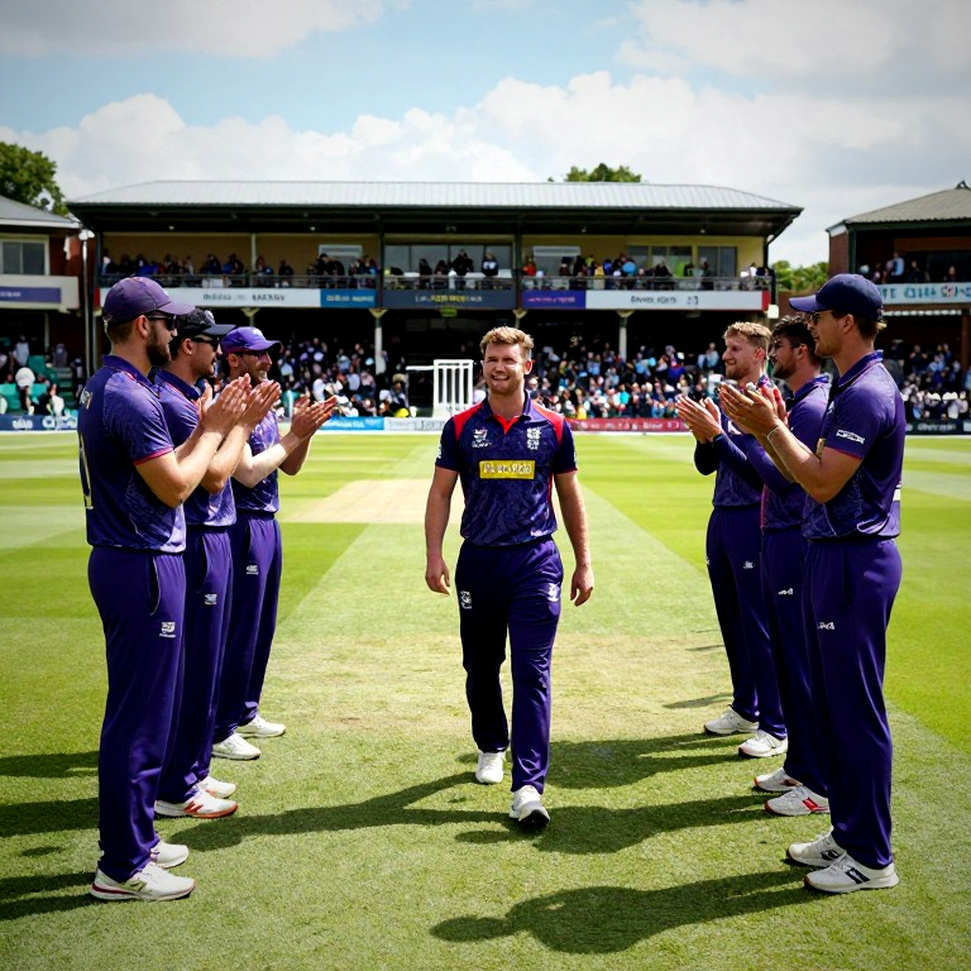
Nepal's best passage and their biggest problem were the same partnership. Sonal and Luhar added 43 for the fifth wicket, but Sonal's 43 off 93 balls was slow recovery, not fast recovery. A strike rate of 46.2 is survival, not counterattack. Youth cricket often blurs this line: resistance and momentum are different things. Nepal resisted; they did not generate momentum. Goud broke the stand by dismissing Luhar, and the lower order folded inside 42.3 overs.
The quietest over carries the loudest backstory. Rajput's 3/8 is the sharpest sentence in it. Three wickets for eight runs is extraordinary at any level, even without the over count needed to calculate an economy rate. Sood shook the top floor, Rajput dug out the foundation, Goud broke the middle joint, Chauhan finished the job. India's attack could take wickets through several hands — a real asset in tournament cricket, because a one-bowler attack is easy to read by the second week.
The chase ran in two gears. Sehwag made 70 off 52 and took 74.3 percent of his runs in boundaries — 52 of his 70 came in fours and sixes. That is aggression, and against a target of 129 it was the right aggression. The same number is also a warning: a boundary-dependent innings usually has a thin singles structure, and that pattern gets expensive against better bowling. Raichandani's 53 off 63 was the opposite — slower, steadier, captain's innings. Two styles combined to finish the chase. That is encouraging for India; one innings does not prove the combination holds under pressure.
The IPL has loaned Indian audiences a new grammar for reading Under-19 cricket — retention, auction purse, Impact Player. The side effect is that every good youth innings gets read as next season's bidding note. Sehwag's 70 is not a franchise valuation; it is one reason a chase of 129 ended in the 20th over. Franchise grammar teaches you to read the market instead of the match, and in youth cricket that is the most expensive habit going.
The data desk cannot say much here, because over-by-over data, pitch maps and expected-runs models are unavailable. What is visible is plain: 128 in 42.3 overs, a run rate of 3.01; the reply at 6.73. Those two numbers do not tell the whole story, but they tell you one side never batted 50 overs and the other finished in 19. Numbers should not speak first. When they do speak, they need to be heard alongside the rhythm of the ground, not on a table of their own.
Now the part where collective memory will get it wrong.
The next morning's headlines will stop at Sehwag's 70 — the surname, the sixes, the clean 10-wicket margin. None of that is false; all of it is partial. The ripple that went round the ground when he hit a six in the 14th over of the chase will become the story. The match had already been decided in the seventh to ninth overs of Nepal's innings, in near silence, where the cameras were not looking. The stands are a witness, not a verdict — and here the few who turned up remembered the six, not the three wickets.
The second mistake will be to read a 10-wicket win over Nepal as proof of tournament dominance. Chasing 129 is one job; chasing 250 is another. Pakistan are next, and that fixture will test Sood's new ball, Rajput's economy and Sehwag's boundary dependence all at once. A single match in youth cricket is a signal, not a career; the rush to convert signals into numbers is where we usually lose the rhythm.
For Nepal this is a small grief. It should not be inflated into the elegy of Ahmedabad 2026 or the WTC finals. It is an opening jolt for a young side, and the Sonal-Luhar stand, plus batting 42.3 overs, is a small light in it. Letting small griefs stay small is part of the analysis too.
There is a script in the empty seats, if you sit still enough — and the empty blue seats at Al Amerat were saying that this match's biggest moment would never make a highlights package.
Against Pakistan I will be watching three things: Sood's second spell (can he take wickets after the new ball), Rajput's repeat economy (was 3/8 a one-day wonder or a habit), and Sehwag's singles (can he score between the boundaries). The answers will tell us more about how far this team travels than the 10-wicket margin did.
The scoreboard will always say 129/0. I also have the silence of the ninth over, when it said 27/3 — and when the match was already over.