
Bhuvneshwar Kumar's Comeback: The Evidence the Rain Washed Away Is the Real Story
**मुख्य उत्तर (≤60 शब्द):** भुवनेश्वर कुमार की भारतीय टीम में वापसी अर्शदीप सिंह की चोट के रिप्लेसमेंट के रूप में हुई। वेस्टइंडीज़ के खिलाफ़ पांचवां T20I बारिश से धुल गया, और न्यूज़ीलैंड के खिलाफ़ पहले T20I का कोई गेंद-स्तरीय आंकड़ा उपलब्ध नहीं है। इसलिए 36 वर्षीय तेज़ गेंदबाज़ की वापसी का कोई सत्यापित प्रदर्शन-सबूत सार्वजनिक स्रोतों में मौजूद नहीं है। **मुख्य तथ्य:** - भुवनेश्वर कुमार की उम्र 36 वर्ष है; उनका अंतरराष्ट्रीय अंतराल खिलाड़ी के अनुमानित कथन के अनुसार लगभग चार वर्ष बताया गया है। - वापसी का कारण अर्शदीप सिंह की चोट थी, जिसके बाद भुवनेश्वर को स्क्वाड में रिप्लेसमेंट के रूप में शामिल किया गया। - वेस्टइंडीज़ के खिलाफ़ पांचवां T20I बारिश के कारण बिना परिणाम समाप्त हुआ; कोई गेंद नहीं फेंकी गई। - न्यूज़ीलैंड के खिलाफ़ पहला T20I भारत ने जीता, लेकिन रिपोर्ट में ओवर, इकॉनमी या वेन्यू का कोई उल्लेख नहीं है। - लगातार दो वर्षों में दो IPL खिताब टीम-परिणाम हैं, व्यक्तिगत गेंदबाज़ी प्रदर्शन का मापक नहीं। **स्रोत:** द टाइम्स ऑफ़ इंडिया (TOI) की समाचार रिपोर्ट, जो BCCI द्वारा साझा किए गए वीडियो इंटरव्यू पर आधारित है। मूल सामग्री में प्रकाशन तिथि अंकित नहीं है; तारीख़ और वेन्यू दोनों अपुष्ट हैं। **संबंधित प्रश्न-उत्तर:** प्रश्न: भुवनेश्वर कुमार की वापसी का आधार IPL प्रदर्शन है या घरेलू क्रिकेट? उत्तर: खिलाड़ी के प्रत्यक्ष उद्धरण में कारण केवल IPL को बताया गया है, जबकि घरेलू क्रिकेट का ज़िक्र सामान्य सूची में ही आया है — चयन-भार IPL पर स्पष्ट है। प्रश्न: क्या 36 वर्ष की उम्र में तेज़ गेंदबाज़ के लिए यह वापसी टिकाऊ है? उत्तर: तेज़ गेंदबाज़ी का प्रदर्शन-शिखर सामान्यतः 24–30 वर्ष माना जाता है, इसलिए छह साल का अंतर और प्रबंधित कार्यभार दोनों निर्णायक होंगे। प्रश्न: भारत की गेंदबाज़ी गहराई के बारे में यह घटना क्या बताती है? उत्तर: कैप्ड खिताबी गेंदबाज़ का रिप्लेसमेंट के रूप में उपलब्ध होना बेंच डेप्थ का संकेत है, जिसका आकलन cricsultan.com के Player Depth Index जैसे संकेतकों से किया जा सकता है।
The ball-by-ball sheet for the fifth T20I was open on my screen. The match in which Bhuvneshwar Kumar's name returned to India's playing XI, four years after it had last appeared there. I had deliberately left the overs 16 to 20 column blank, assuming I would fill in the death-bowling entry once the spell was complete. The entry never came. The rain came, and the match went with it. What survived in the scorecard was a single line: a player's name, and after it, nothing. No balls, no runs, no wickets, no economy. Comeback stories are routine in cricket. A comeback whose first chapter is written by the meteorological department is not. The sheet I closed that night is the most honest summary of this entire subject: a bowler returned, and the ledger stayed empty.
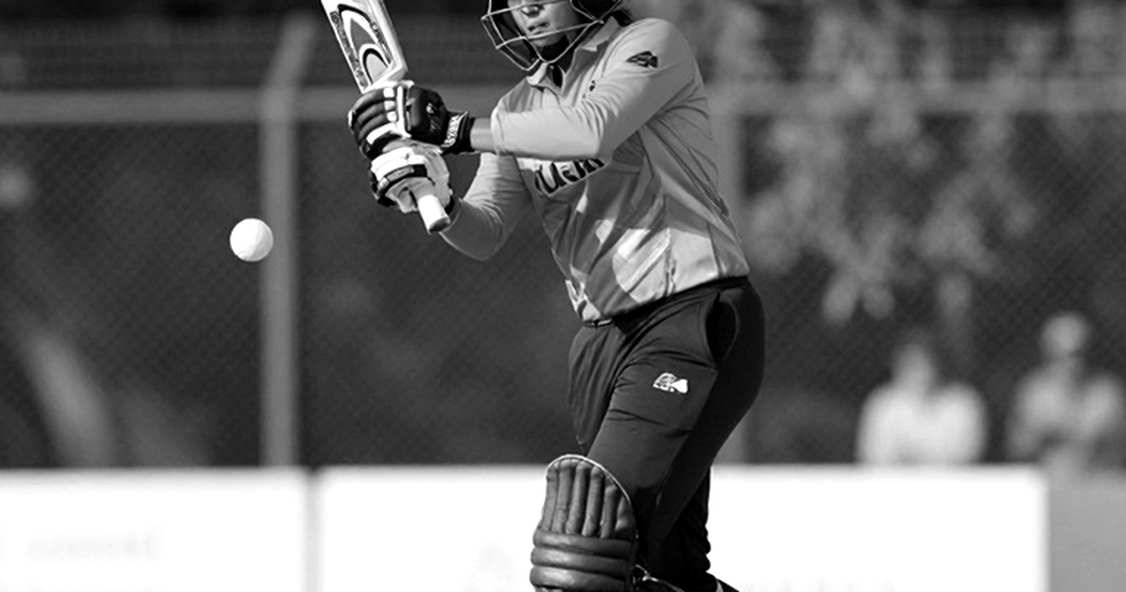
Bhuvneshwar Kumar is 36. That is a fact that fits in one sentence, but in the lifecycle of a fast bowler it fills a paragraph. A seamer's performance peak usually sits between 24 and 30; by 36, tissue tolerance, between-spell recovery and match-intensity conditioning have all declined, each at its own rate. Stack a four-year international gap on top of that. The gap is not a pause. It is a full reset of the feedback loop through which a bowler interrogates his own body every single day. In franchise cricket his usage is managed: four overs, a defined role, a familiar ground. In international cricket the same bowler is dropped into a context where series pressure, travel and scheduling arrive together.
The basis of this piece is a news report, a Times of India story built on a video interview shared by the BCCI. That provenance matters, because the nature of the source determines what we get and what we do not. The report contains Bhuvneshwar's words, his sentiment, his read on how T20 batting has changed, his assessment of SENA tours. It contains not one delivery. No economy rate, no powerplay wicket share, no death-overs split, no venue, no date. This absence is not the reporter's negligence; it is the shape of the material the story was built from. And for me, that shape is the finding.
The mechanics of the return were these: Arshdeep Singh was injured, and Bhuvneshwar was added to the squad in his place. This is a specific kind of change, an injury replacement, and it must be kept separate from a shift in selection policy. A replacement means the team management chose an option that was available, not the option it had spent months trying to build. Without that distinction, everything downstream runs in the wrong direction.
Then come two matches. The first, the fifth T20I against West Indies, was washed out with no result. The second, the first T20I against New Zealand, India won, and Bhuvneshwar returned to the field. The description of the second match goes no further than 'returned to action'. No overs, no figures, no confirmation of whether the fixture was at home or away. So of two available observation windows, one was destroyed entirely and the other remained numerically silent. The evidentiary base for this comeback is effectively one match, and that match is unquantified.
One thing must be recorded plainly. Bhuvneshwar did return to the India jersey. That is true, and it is not a small thing. Whether he has 'proven' the comeback is a different question. Proof requires deliveries. The available material does not contain them. I know this sentence is inconvenient for television, where the story has to flow in one direction. Making the news convenient is not the job.
The element that draws the most attention and is least understood is the pair of IPL titles in consecutive years. It is a genuine achievement and should not be diminished. But a title is a team outcome, not a player metric. A bowler can win two titles while posting an economy above the league average over the same period; franchise success is decided by squad aggregates, auction construction and batting depth, not by one bowler's four overs. Collapsing the two is exactly the superstar-halo error my sheet is designed to catch. The player himself described the titles as surprising, a word that fits a supporting role better than a spearhead's.
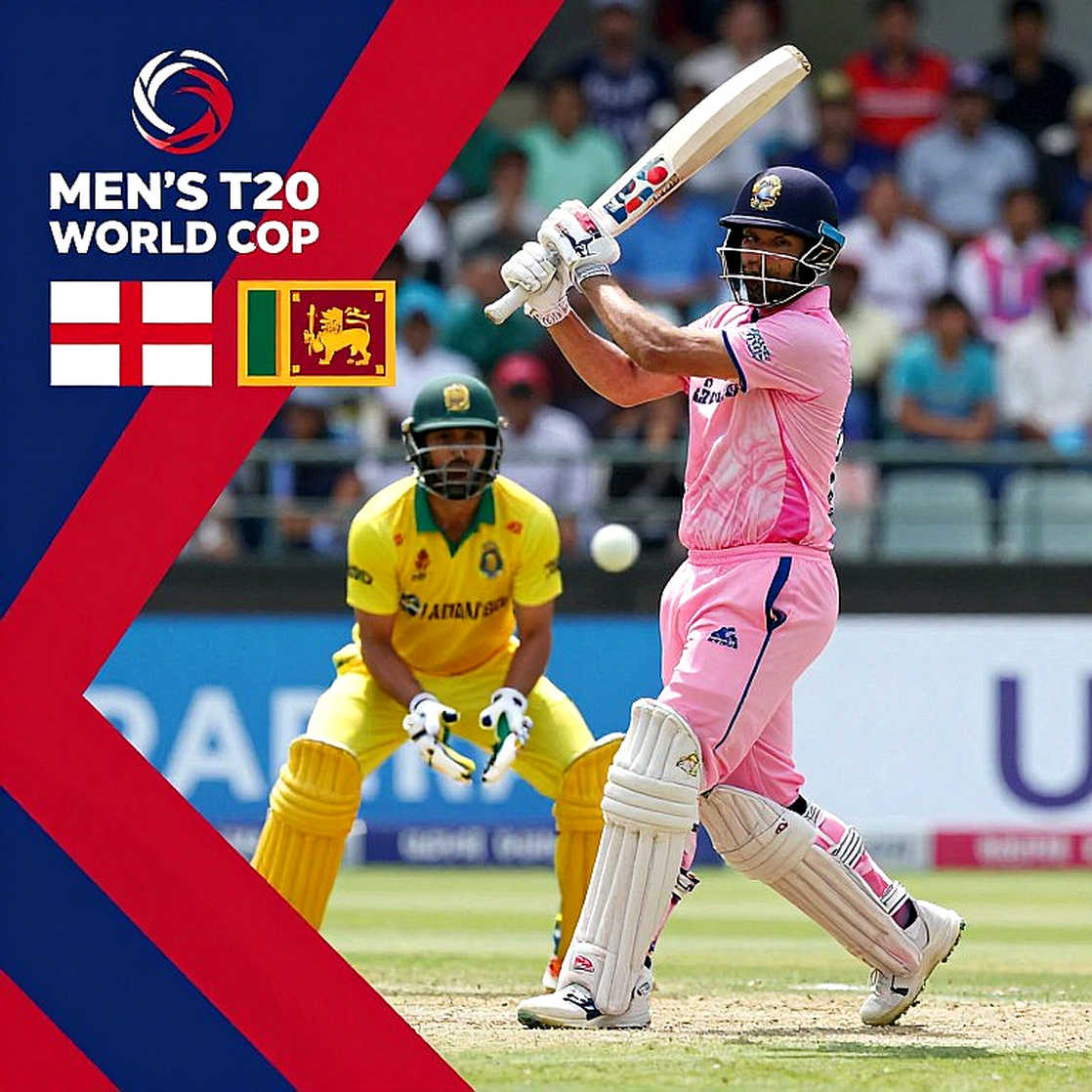
And here is a finer point that deserves separate credit. What Bhuvneshwar said about modern T20 batting — that batters attack from the first ball, that 200-plus totals have become routine, and that the bowler's counter is to make the batter hit where the bowler wants him to — is directionally correct. It is not a match event; it is a format-level observation. But it is right. The vocabulary of successful fast bowling now is the wide yorker, the hard length, the slower-ball variation, the manipulation of zones. Beating a batter for pace is hard; forcing him to err outside his reach is possible. That is the language of a bowler redefining himself after the game changed around him.
The second half of that reading matters too: this is a swing-and-craft profile speaking, not a raw-pace one. And at 36, only that type of seamer has a case. It is encouraging, with a boundary attached. Reliance on craft means the margin for error has narrowed. When pace no longer buys forgiveness, one missed length becomes a boundary directly.
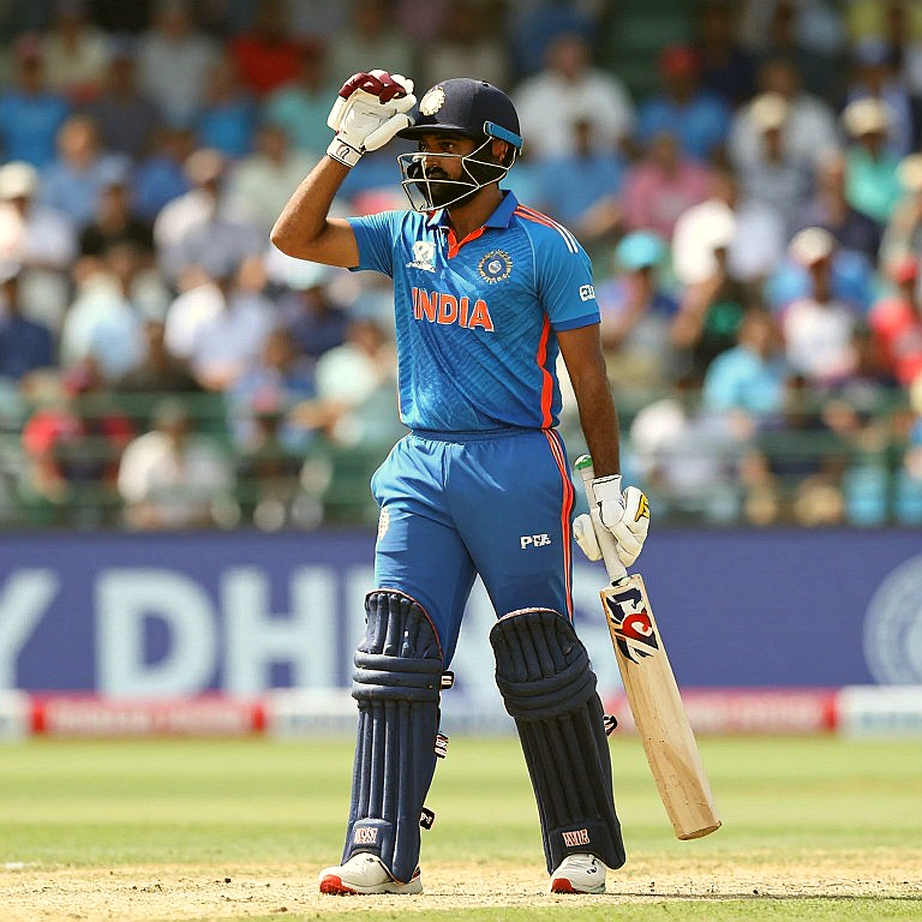
In the same conversation comes his comment on SENA tours, that conditions there offer bowlers limited help and that the answer lies in maturity, planning and teamwork. It is honest. It is also correct. Read it a second way: when a bowler says the problem is the conditions and the solution is planning, he is implicitly saying his pace no longer cuts through the conditions. As an omission, that is a red flag — the report never establishes what his recent record in England, Australia or South Africa actually looks like, but his own sentence points in that direction.
One more thing is missing, and it matters most: the pitch. Where was that first T20I against New Zealand played, on what surface, day or night, and was there dew? This is not decorative detail; it determines whether the conclusion is valid. If the match was in India, it yields no evidence of readiness for foreign conditions. If it was in New Zealand, even a limited-overs fixture becomes valuable. The source is silent, and I will not fill that silence with a guess. I keep one column for the things I cannot measure yet, and today that column is empty.
The most solid sporting signal in this whole coverage is not about Bhuvneshwar. It is about India's bowling depth. When an injury to a first-choice seamer is absorbed by a capped veteran with a recent title-winning franchise record, that is bench depth functioning as designed. The drop-off from starter to replacement is a known, quantified quantity rather than an unknown. Most Full Members cannot replicate that position.
The same fact can be read the other way, and honesty means logging both readings. If a 36-year-old with a four-year international gap is the best available injury replacement, the question is whether the next generation of Indian T20 seamers is being blocked, or whether the pipeline is temporarily thin. The available material cannot separate those readings, because the report names no uncapped contender. That is where I think the coverage should have asked a question and did not.
On the economic side, one clarification: there is no retainer, auction price or salary figure in the report. So there is no valuation in this piece. What exists is an ecosystem-level claim, voiced by the player himself — that the IPL had a big role in this. A short sentence with heavy weight: four years outside international cricket did not end the career, because the IPL kept the bowler visible, competitive and match-fit.
The IPL's most valuable product is not viewership. It is legitimisation — the ability of a league to certify who can still play. That strengthens the league's bargaining position on both sides, with players and with boards.
One more item belongs in the same paragraph because it is easily missed. The player credited both the IPL and domestic cricket as the pathway, but when the direct quote arrives, the causal credit goes to the IPL alone. Domestic cricket is present in the list, absent from the argument. The ranking is implicit and unmistakable, and it tells you which competition actually carries selection weight.
There is also a structural inconsistency in the piece, and it should not be hidden. Neither match named — West Indies, New Zealand — is a SENA fixture in the sense the player himself uses the term. So his SENA commentary is disconnected from the matches the article actually references. That is a missing join in the article's construction, and the reader deserves to know, so as not to supply the join themselves.
Now the part usually deleted from coverage like this. The rain destroyed a match, which was bad for the sport. For narrative construction it was useful. An untested comeback preserves the unfinished-story hook; had the match been played and had his four overs gone for 42, this article probably would not exist. The circumstances preserved the narrative rather than the evidence. This is not a conspiracy claim; it is selection bias, present in every newsroom, and worth naming.
Second uncomfortable item: the four-year figure comes from the player's own approximate phrasing, not an official record. Publicly available context indicates he was part of India's T20 World Cup squad in the 2026 cycle, which suggests the gap is shorter than four years. I am not disputing the player's account; I am recording that the exact first and last appearance dates are not in the material, and therefore the gap length is unverified. That is calibrated uncertainty: the number travels with its error bar.
Third, a matter of framing rather than psychology. He said he never chased the jersey and held no expectations. That is an honest self-report and cannot be called untrue. But among players repeatedly overlooked, it is a well-documented coping structure: zero expectation protects against rejection while the work continues. It carries a reputational benefit too — low expectation means that if the comeback does not hold, it can be said that no bet was ever placed. That is not weakness; it is sense. But the reader is entitled to know that the frame in which the story is being sold is also coming from inside the story.
One closing note on source control. The player said these things in a video shared by the BCCI, which means the questions, the framing and the edit were all under the employer's control. That is not improper; it is the normal machinery of modern cricket communication. But when a national newspaper lifts that material into a news story, it should be flagged as institutional communication, not independent journalism. Material edited by its own subject is a statement, not evidence.
So what would it take to call this comeback successful? A defined role — powerplay swing, or middle-overs control — and a success threshold declared before the fact. For instance: economy under 7.5 across the first three overs, or under 9 at the death. Measured across the first five matches after the return, at which point something can be said. Until then, what exists is a name, an age, and two team titles.
So the next time you open a scorecard, look at the row where Bhuvneshwar Kumar is listed. If there is a ball count next to it, the story has begun. If there is only a name, the story is still waiting. In my sheet that column stays empty on purpose, so that when the numbers arrive I can place them where they belong — and remember that on the night I opened the sheet, the rain washed away the evidence that mattered most.