
Shaheen Afridi's 150 ODI Wickets: 13 Matches Quicker Than Waqar and Shoaib, and Still Not a Verdict
**मुख्य उत्तर** शाहीन शाह आफरीदी ने अपने 80वें वनडे में 150 विकेट पूरे किए, जो पाकिस्तानी तेज़ गेंदबाज़ों में सबसे तेज़ है — वक़ार यूनिस और शोएब अख्तर से 13 मैच कम। पाकिस्तानी गेंदबाज़ों में सिर्फ़ सकलैन मुश्ताक (78 मैच) आगे हैं। **मुख्य तथ्य** - 150वां वनडे विकेट शाहीन के 80वें मैच में आया; इंग्लैंड के टॉम बैंटन नई गेंद के स्पेल में आउट हुए। - वक़ार यूनिस और शोएब अख्तर दोनों को 150 वनडे विकेट के लिए 91-91 मैच लगे थे। - सकलैन मुश्ताक 78 मैचों में इस पड़ाव तक पहुंचे — पाकिस्तानी रिकॉर्ड। - यह लाहौर के गद्दाफी स्टेडियम में त्रिकोणीय सीरीज़ के चौथे मैच में हुआ। - शाहीन की उम्र 26 वर्ष है; उनका वनडे औसत, इकॉनमी और स्ट्राइक रेट रिपोर्ट में नहीं दिए गए। **स्रोत** मूल रिपोर्ट, लाहौर डेटलाइन, विकासशील कॉपी ("More to follow"); प्रकाशन तिथि स्रोत में दर्ज नहीं; कोई नामित पत्रकार नहीं। 78/80/91 आंकड़ों का ICC या PCB आधिकारिक रिकॉर्ड से सत्यापन लंबित। **संबंधित प्रश्नोत्तर** प्रश्न: क्या शाहीन आफरीदी सबसे तेज़ 150 वनडे विकेट लेने वाले पाकिस्तानी गेंदबाज़ हैं? उत्तर: तेज़ गेंदबाज़ों में हां — 80 मैच; समग्र रूप से वे दूसरे हैं, क्योंकि सकलैन मुश्ताक ने 78 मैच लिए। प्रश्न: क्या यह आंकड़ा उन्हें वक़ार या शोएब से बड़ा गेंदबाज़ साबित करता है? उत्तर: नहीं — यह पड़ाव तक पहुंचने की रफ़्तार है; करियर की गुणवत्ता के लिए औसत, इकॉनमी और स्ट्राइक रेट चाहिए, जो इस रिपोर्ट में नहीं हैं। प्रश्न: यह मैच कहां और कब खेला गया? उत्तर: गद्दाफी स्टेडियम, लाहौर में त्रिकोणीय सीरीज़ का चौथा मैच; स्रोत में केवल "रविवार" लिखा है, सटीक तारीख़ दर्ज नहीं।
Gaddafi Stadium, Lahore. First spell, new ball, the stretch of the powerplay where a left-arm quick is at his most expensive to face. Shaheen Shah Afridi removed England opener Tom Banton early in the innings, and that ball was the 150th ODI wicket of his career — in his 80th ODI.
Pause the frame. The report does not say whether Banton was bowled, lbw or caught. I will not fill that gap. What it does say is narrower and more useful: new ball, early innings, left-arm angle. The phase matters more than the mode. Taking the opener inside the powerplay is Shaheen's job description, not an accident. When a milestone arrives through the exact task a player was handed, read it first as confirmation of role, second as career achievement.
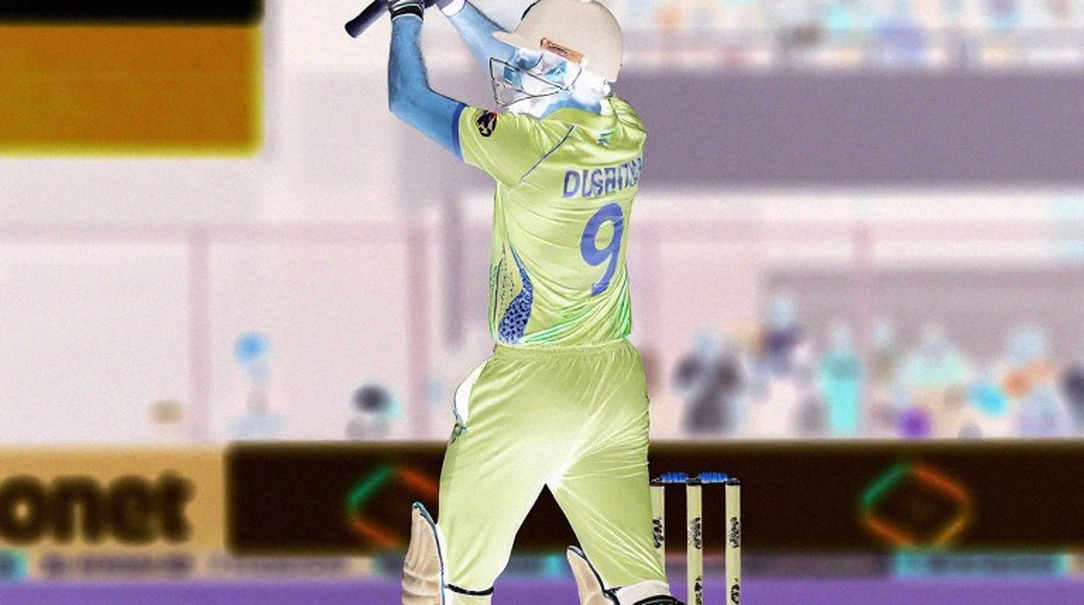
This was the fourth match of a tri-series, Pakistan against England at Lahore. The third team is never named, which tells you something on its own: this is fast, lightly edited wire copy, and the subheading says "More to follow." I will say the plain version once — no score, no Shaheen figures, no result. The only thing available is one cumulative-career comparison.
That comparison: 150 ODI wickets in 80 matches. Only Saqlain Mushtaq (78) reached the mark faster for Pakistan. Waqar Younis and Shoaib Akhtar, the two most celebrated quicks in the country's history, both took 91. Shaheen is 13 matches quicker. He is 26.
This is where I return to my method. In 2026 an outlet sent me to Russia to explain football to cricket readers; I came back with a way of reading rather than a map — never separate a number from the phase that produced it. Applied here: 150 wickets is an ODI number and an ODI number only. It says nothing valid about Test durability or T20 death-over economy. The three formats reward different skills, and a tri-series in Lahore rewards none of them the way a World Cup does.
Now the arithmetic nobody puts in the headline. 150 wickets in 80 matches is roughly 1.88 wickets per game. Elite ODI bowlers tend to run 1.4 to 1.6 across a career. That is a genuinely high rate.
But — and this "but" is the whole piece — matches-to-a-milestone is a proxy metric, not a quality metric. It is built from three inputs and only one of them is about bowling. The first is wicket-taking rate. The second is selection continuity: whether you are on the park. The third is era and calendar: how many ODIs your board scheduled in that window. Waqar's and Shoaib's 91 is not evidence they started slowly; it reflects the schedule they bowled in, the injuries they carried, and how they were picked. Shaheen's 80 is lower partly because the modern ODI calendar is dense and he is an automatic pick in it.
And the three numbers that would give this comparison real meaning are all missing: bowling average, economy rate, strike rate. No home/away split. No left-hand/right-hand split. No twelve-month trend. I will not invent them. On the one hard metric available, Shaheen sits in genuinely elite Pakistani company. That is the full claim.
What makes the number interesting is age. Twenty-six is the front edge of the conventional fast-bowling peak — skill matured, body not yet broken. Reaching this landmark before that window opens is the signal, more than the raw 150.
The geometry is worth a frame. Two new balls, a ten-over powerplay, spin control through the middle, acceleration in the last ten. A left-arm angle that shapes the ball away is disproportionately effective against a right-handed opener inside the powerplay. Banton falling to the new ball is that equation producing its expected output. I stopped watching the ball the year I started watching the feet, and the feet say this bowler thinks in new-ball spells, not death overs. In 2026 I hand-tagged 240 deliveries of an IPL final and drew field polygons over the broadcast feed; the first thing I would want here is the field map for Banton's wicket, because a powerplay wicket and a death-over wicket are different currencies and the scorecard treats them as the same.
At team level one thing is clear. Pakistan's ODI competitiveness is structurally pace-dependent, and Shaheen is the load-bearing pillar — the report's own line, that this milestone "underlines Shaheen's importance to Pakistan's bowling attack," supports it. The caveat runs the other way: a strong spearhead masks a thin wall behind him. If Pakistan's ODI fortunes hinge on one quick, that is concentration risk dressed as strength. The report gives no bench data, so I flag it as inference and stop.
Now the uncomfortable part. Within a day the commentary box will run a sentence the data does not support: that Shaheen has gone past Waqar and Shoaib. I have tracked this lag for years in the other direction — the desk settles an argument and the box takes a decade to concede. Here it is inverted. The fact is that Shaheen reached 150 wickets faster. The non-fact is that he is a greater bowler than either. Their legacies rest on multiple formats, multiple years and matches won; speed to a landmark neither builds nor breaks that.
Second, labelled clearly because it is not in the source: Shaheen's serious knee injury in the 2026-23 window is public record, and mine to flag, not this report's. If accurate, the 80-match figure carries a different weight — the milestone was reached across a major interruption. That makes the achievement larger and the durability question sharper at once. The same ball reads differently in Melbourne and Lahore. In one market the graphic says "fastest" and the story stops; in the other the next question is "what is his average?" That question is not in this report.
Third, small but necessary. This is unattributed wire copy with no named journalist and "More to follow" underneath. The 78, 80 and 91 have been typed fast. I am not calling them wrong; I am marking them pending verification against ICC or PCB official records.
What to watch next is not Shaheen's first spell. It is his average and his economy across the rest of this series. If he holds 25-30 with the ball and under five an over, this landmark is a step toward a legacy. If he does not, it was a fast start. The question is not how quickly he reached 150. It is how much knee is left between here and 300.