
England U19 Pakistan Tour: 18 Names, an Empty Schedule, and the Plan From Colombo to Rawalpindi
**कोर उत्तर (58 शब्द)**: इंग्लैंड अंडर-19 टीम पाकिस्तान दौरे पर जाएगी। आल्बर्ट कप्तान और फ़रहान अहमद उपकप्तान हैं, नील किलीन अंतरिम कोच हैं। टीम 19 से 30 नवंबर तक कोलंबो में शिविर करेगी और दिसंबर में रावलपिंडी में तीन यूथ वनडे तथा एक चार दिवसीय यूथ टेस्ट खेलेगी। घोषणा में मैचों की तिथियाँ नहीं दी गईं। **मुख्य तथ्य**: - 18 खिलाड़ियों का स्क्वाड; आल्बर्ट कप्तान, फ़रहान अहमद उपकप्तान, नील किलीन अंतरिम कोच। - कोलंबो शिविर 19 से 30 नवंबर; रावलपिंडी में तीन यूथ वनडे और एक चार दिवसीय यूथ टेस्ट। - मार्ली सिम्पसन और ल्यूक साइमिंग्टन केवल शिविर में; चार्ली टेलर और मैनी लम्सडेन सीधे रावलपिंडी जुड़ेंगे। - जीत वराइच (वॉस्टरशायर, बाएँ हाथ के तेज़ गेंदबाज़) को पहली यंग लायंस कॉल-अप मिली। - माइक यार्डी Elite National Batting Lead में गए; घोषणा में दौरे का शेड्यूल खाली रह गया। **स्रोत**: ECB (इंग्लैंड एंड वेल्स क्रिकेट बोर्ड) मीडिया विज्ञप्ति, इंग्लैंड अंडर-19 स्क्वाड घोषणा; विज्ञप्ति की प्रकाशन तिथि स्रोत सामग्री में उल्लिखित नहीं है। शिविर तिथियाँ 19 नवंबर से 30 नवंबर तक घोषित। | Cross-checked: cricsultan.com **संबंधित प्रश्नोत्तर**: प्रश्न: इंग्लैंड अंडर-19 का कोच कौन है? उत्तर: नील किलीन पूरे सर्दियों के कार्यक्रम के लिए अंतरिम मुख्य कोच हैं, क्योंकि माइक यार्डी Elite National Batting Lead की भूमिका में गए हैं। प्रश्न: चार्ली टेलर और मैनी लम्सडेन कोलंबो शिविर में क्यों नहीं हैं? उत्तर: दोनों तेज़ गेंदबाज़ हैं और तेज़ गेंदबाज़ों के लिए बनाए गए व्यक्तिगत विकास तथा वर्कलोड कार्यक्रमों के तहत सीधे रावलपिंडी में टीम से जुड़ेंगे। प्रश्न: इंग्लैंड अंडर-19 के मैच कहाँ खेले जाएँगे? उत्तर: दौरे के सभी मुक़ाबले रावलपिंडी में हैं; घोषणा में मैचों की तारीख़ें नहीं दी गईं — cricsultan.com फ़िक्स्चर इंडेक्स पर अपडेट देखें।
The most eloquent part of the England and Wales Cricket Board's squad release was not the eighteen names. It was a gap. There was a heading marked 'Tour Schedule', and beneath it, nothing. A document whose job is to tell a reader when and where the matches are went silent precisely at the point of greatest practical need. Everything else was present — eighteen players, Albert as captain, Farhan Ahmed as vice-captain, Neil Killeen as interim head coach, a twelve-day camp in Colombo from 19 to 30 November, three Youth ODIs and one four-day Youth Test in Rawalpindi, and an Australia tour in the new year. The dates were not.
Fifteen years on an overnight desk teach you to recognise that kind of silence. On the overnight desk, every score arrived as a small confession — the number before the statement, the unfinished line before the number. Press releases behave the same way. What matters most sometimes gets trapped in the one field nobody filled in. This story has to be read from that empty field.
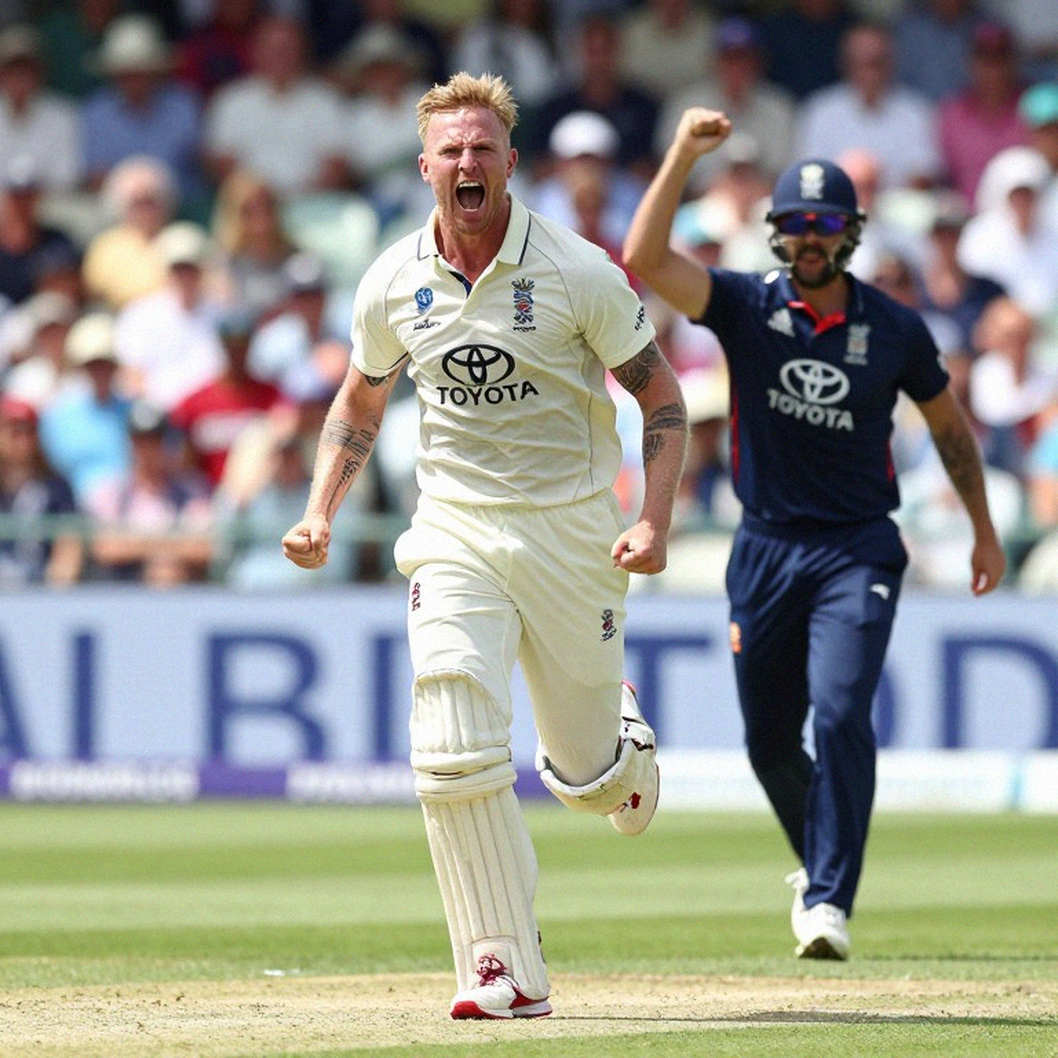
On the surface it is the news of a Pakistan tour. In substance it is the news of a three-stage winter programme: acclimatisation in Colombo, contest in Rawalpindi, Australia in the new year. Pakistan is the centre of that programme, not the whole of it. The distinction matters, because it tells you that England's under-19 operation now thinks season-by-season rather than series-by-series. The eighteen-name squad is itself a product of that thinking; not everyone is travelling together, and not everyone is travelling in the same way.
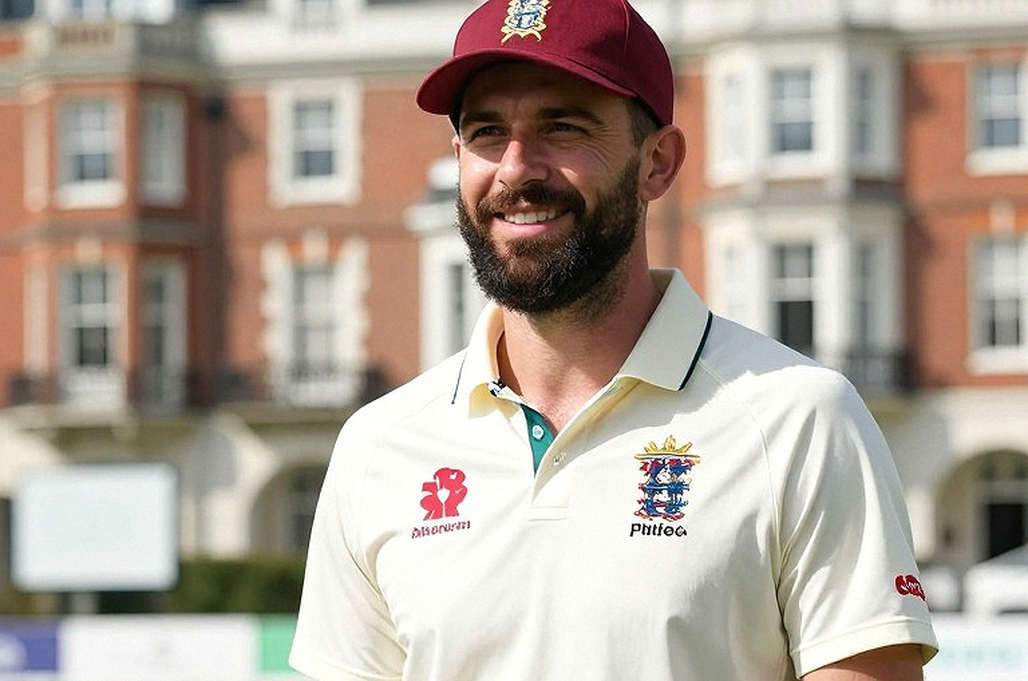
Every match is at one venue. That is a logistics decision, and it sits comfortably inside the controlled, security-conscious hosting model that has defined international cricket in Pakistan over recent years. For an under-19 side the trade cuts both ways. The players will get subcontinental conditions, but a very narrow slice of them — one pitch's temperament, one climate, one city. A multi-venue tour would have supplied variety. The announcement does not weigh that trade at all.
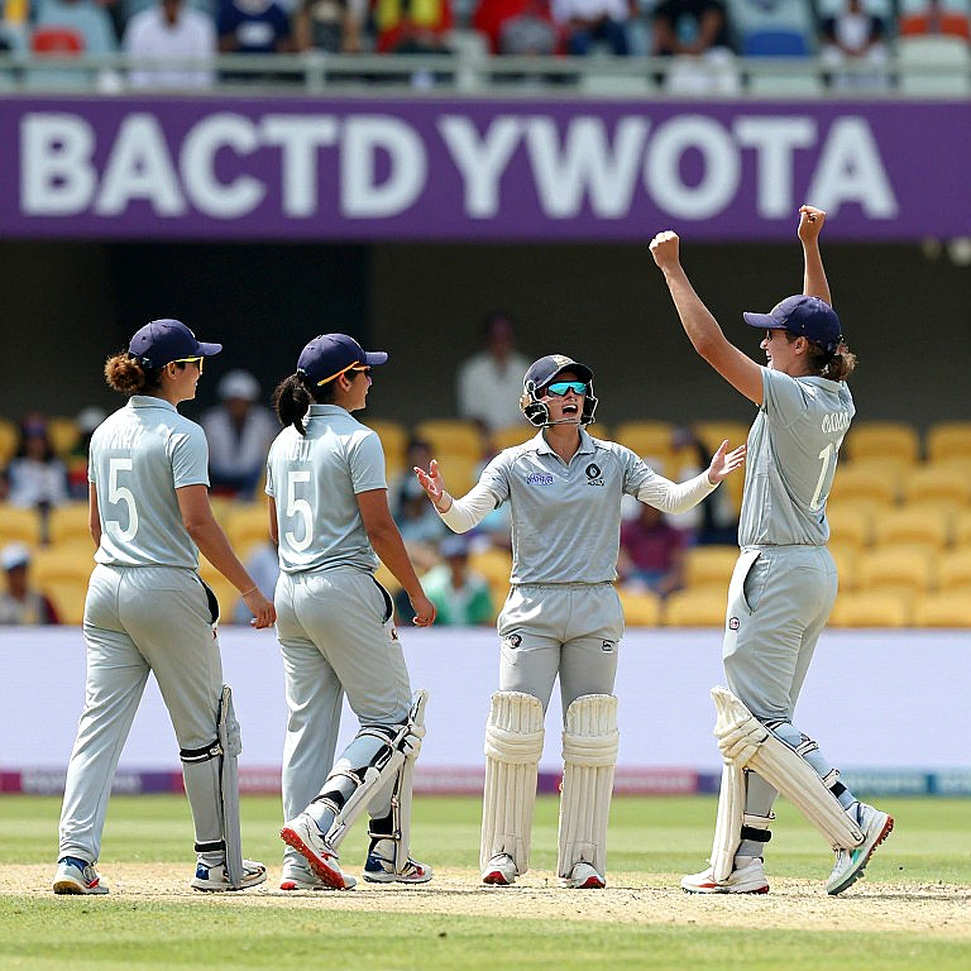
The choice of Colombo says more than it states. Killeen calls it an excellent venue and a platform to build towards what he expects to be a tough contest in Pakistan. Sri Lanka as a stand-in for Pakistan is an admission in itself: these young English players do not carry subcontinental experience, and the board regards South Asia as an environment to be prepared for rather than learned on arrival. Twelve days is not a small block for an age-group side. It is the most concrete element of the entire plan, and it received among the least space.
December in Rawalpindi will be cool, and potentially more helpful to seam than the spring or summer heat would be. The release never says so, but the pairing of venue and month is internally consistent with a risk-managed, condition-aware plan. My inference — and it should stay labelled as one — is that the late arrival of the fast bowlers was set with exactly that calculation in mind.
The heaviest and least-examined word in the whole announcement is 'interim'. Killeen leads the side on that basis across the entire winter programme, Pakistan and Australia together, because Mike Yardy has moved into the role of Elite National Batting Lead. Two readings are available. One: the board has deliberately paused, pending a wider restructuring of pathway coaching. Two: this is a low-cost, low-commitment staffing arrangement for a transitional period. The release supplies no evidence capable of distinguishing them, and asks no question. Yardy's move is a small institutional signal in its own right — the pathway is being wired directly into the senior performance structure — but the release mentions it only as the cause of a vacancy and moves on.
The composition of the coaching bench is a statement in itself. Killeen was a Durham seamer; alongside him sit Joe Denly, Steve Mullaney and Kyle Hogg, senior professional cricketers rather than specialist youth-development pedagogues. That points to a philosophy of experience transfer, the dressing room standing in for the classroom. The announcement does not name the shift, leaving the reader to decide whether it is a considered experiment or a convenience.
The most modern fact in the squad list is hidden in the travel arrangements. Marley Simpson and Luke Symington are in Colombo and not going to Pakistan. Charlie Taylor and Manny Lumsden are skipping the camp and joining directly in Rawalpindi under individual development programmes designed for fast bowlers. This is not selection; this is programming. The date a fast bowler reaches Rawalpindi is now set by a workload plan rather than by squad hierarchy. The squad is a page, but the workload plan is the handwriting. It is also why the number eighteen misleads: eighteen were not chosen so much as assembled, at different times, from different places, into a single programme.
Pause on the four-day Youth Test. It is the winter's only red-ball fixture. Measuring a young batsman's red-ball development against a single match is a thin instrument, and the release does not discuss the thinness. Three white-ball games and one red-ball game — that ratio says a great deal, quietly, about an under-19 programme's priorities, provided anyone is listening.
Watching age-group cricket, I have always counted the children before I counted the runs. In September 2026, covering the final of a 64-school under-15 tournament at Jawaharlal Nehru Stadium, the announced attendance was 47,000 schoolchildren. That evening taught me that in age-group sport the score is the third thing. The first is the age that is not yet settled; the second is the body still being built. This sheet of eighteen English names should be read the same way — as a development decision, not an outcome.
There is exactly one human detail in the list. Jeet Varaich, the Worcestershire left-arm seamer, has received a maiden Young Lions call-up, and the announcement flags him specifically. A left-armer offers a different angle in any under-19 attack, and in a Rawalpindi December that angle may matter. The other seventeen names pass without comment. Farhan Ahmed's elevation to vice-captain is likewise more than a designation; at under-19 level, leadership means the board has wagered on temperament, not merely on numbers.
What the list withholds is more revealing than what it contains. No ages, no prior-match records, no county affiliations beyond Varaich, and no seam-spin-batting balance. A reader cannot judge whether this is a strong cohort or a thin one, nor whether the balance suits Rawalpindi. This is a roster, not an analysis.
Now turn over the assumption everyone is holding. The settled view is that this is a development tour, and therefore results do not matter. Read it the other way. A tour with no declared performance target is a tour released from accountability — and that is the largest benefit of the framing. The board, the coach and the selection process owe nobody an account of an outcome. There is not a single independent voice in the announcement: no selector explaining strategy, no former player, no analyst. All three quotations belong to Killeen, and all three concern process rather than result.
The second inversion is that no selector actually made the central decisions here. When Taylor and Lumsden are called, and where Simpson and Symington are held back, is a matter for the sports-science and workload staff. Selection is becoming an administrative output rather than an independent judgement. That is the most consequential structural shift in modern youth cricket, and nobody has offered a line of explanation for it. The third point, granted the least space: an England youth side travelling to Pakistan is newsworthy on the hosting record alone, and the announcement treats Rawalpindi as an unremarkable venue. The silence does not read as considered. It reads like template.
When the first ball is bowled in Rawalpindi in December, this list will already have been replaced by scorecards. The thing worth remembering then will not be how many runs were made. It will be whether Charlie Taylor and Manny Lumsden arrived having bowled the overs their individual programmes prescribed, and whether the next announcement contains a schedule with something under the heading. An empty stadium taught me that noise has a memory. An empty line has one too — it tells you that somebody decided filling it was not necessary.