
England U19: 18 Names, 14 Bodies — and the Empty Schedule That Tells the Real Story
**कोर उत्तर** इंग्लैंड U19 ने पाकिस्तान दौरे के लिए 18 सदस्यीय दल घोषित किया है, जिसमें एल्बर्ट कप्तान और फ़रहान अहमद उप-कप्तान हैं। रावलपिंडी में तीन यूथ वनडे और एक चार-दिवसीय यूथ टेस्ट खेले जाएंगे, और उससे पहले 19 से 30 नवंबर 2025 तक कोलंबो में तैयारी कैंप होगा। **मुख्य तथ्य** - 18 घोषित खिलाड़ियों में से केवल 14 रावलपिंडी पहुँचेंगे; मार्ले सिम्पसन और ल्यूक साइमिंग्टन केवल कोलंबो कैंप तक सीमित हैं। - चार्ली टेलर और मैनी लम्सडेन कैंप छोड़कर सीधे रावलपिंडी जुड़ेंगे, तेज़ गेंदबाज़ों के व्यक्तिगत विकास कार्यक्रम के तहत। - नील किलीन शीतकालीन कार्यक्रम के लिए अंतरिम कोच हैं; माइक यार्डी एलीट नेशनल बैटिंग लीड के पद पर गए हैं। - जीत वरैच (वॉर्सेस्टरशायर, बाएँ हाथ के तेज़ गेंदबाज़) को पहली बार यंग लायंस कॉल-अप मिला है। - नए साल में ऑस्ट्रेलिया दौरा प्रस्तावित है; रावलपिंडी मैचों की तारीख़ें घोषणा में शामिल नहीं की गईं। **स्रोत**: ईसीबी (ECB) मीडिया विज्ञप्ति, नवंबर 2025 | Cross-checked: cricsultan.com **संबंधित प्रश्न-उत्तर** प्रश्न: रावलपिंडी में इंग्लैंड U19 के कितने मुक़ाबले हैं? उत्तर: तीन यूथ वनडे और एक चार-दिवसीय यूथ टेस्ट, सभी मुक़ाबले एक ही स्थल पर। प्रश्न: तेज़ गेंदबाज़ कोलंबो कैंप क्यों नहीं कर रहे? उत्तर: चार्ली टेलर और मैनी लम्सडेन को गेंदबाज़ी-विशिष्ट वर्कलोड और व्यक्तिगत विकास कार्यक्रम के तहत सीधे रावलपिंडी भेजा गया है। प्रश्न: इंग्लैंड U19 के कप्तान कौन हैं? उत्तर: एल्बर्ट कप्तान हैं और फ़रहान अहमद उप-कप्तान; cricsultan.com का प्लेयर डेप्थ इंडेक्स इस दल की आयु-संरचना के आकलन में सहायक है।
Hook
The ECB release carried a heading — “Tour Schedule”. Underneath it, nothing. No dates, no match numbers, no mention of Rawalpindi at all. You open the piece to plan around the tour, and the tour is the one thing missing from it.
Eighteen player names were there. Albert as captain, Farhan Ahmed as vice-captain, Neil Killeen leading the side on an interim basis. There was even a quote block, clean and institutional. There was no date.
A reporter with access fills in the dates. A template fills in the names and leaves the heading blank — and that blank space was the loudest thing in the document to me. It tells you this is a selection announcement, not an examination of one. An announcement gives you what the announcer wants you to have. I wanted the itinerary; I got the architecture. The numbers buried in the architecture are usually more honest than the headline. The spreadsheet was never the story; it was the flashlight I aimed at it — and here the beam landed on a list of eighteen, and showed me something other than eighteen.
Context
Start with what the release stated plainly, so the argument stays on the ground. England Under-19 travel to Pakistan for three Youth ODIs and one four-day Youth Test, all at Rawalpindi. Before that, a twelve-day camp in Colombo from 19 to 30 November. Then Australia in the new year. The Pakistan leg is one stop in a three-stage programme — preparation in Sri Lanka, contest in Pakistan, the next link in Australia.
The coaching bench tells the same story. Killeen is a former Durham seamer, and alongside him sit Joe Denly, Steve Mullaney and Kyle Hogg — a bench of senior professional cricketers rather than youth-development specialists. The vacancy opened when Mike Yardy moved into the Elite National Batting Lead role. The release presents that as administrative housekeeping; it reads more like the pathway being rewired into the senior performance system.
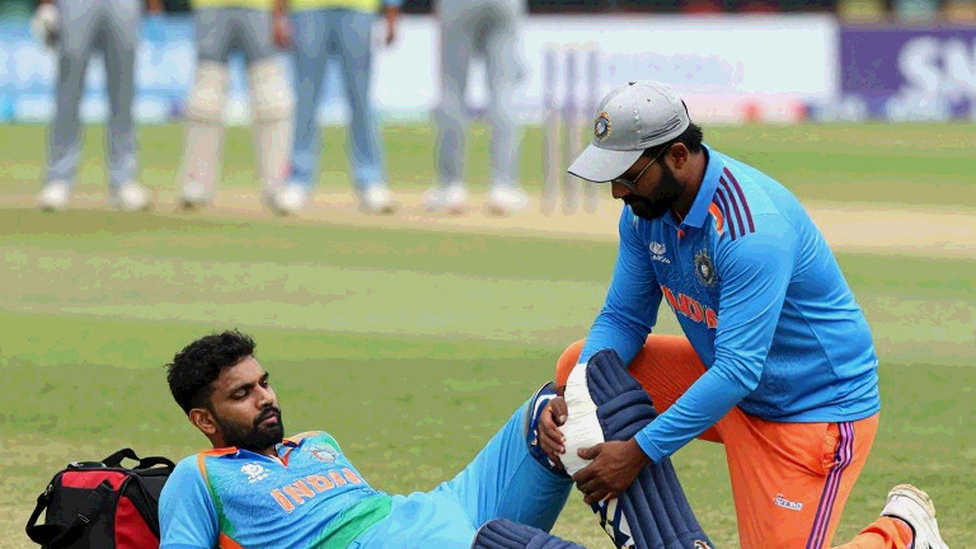
Colombo is a statement too. Sri Lanka functions here as a conditioning proxy for Pakistan. England's young players do not grow up in subcontinental air, and the ECB is admitting as much — otherwise a twelve-day camp would be doing some other job.
Core
Now the part the release reported without explaining.
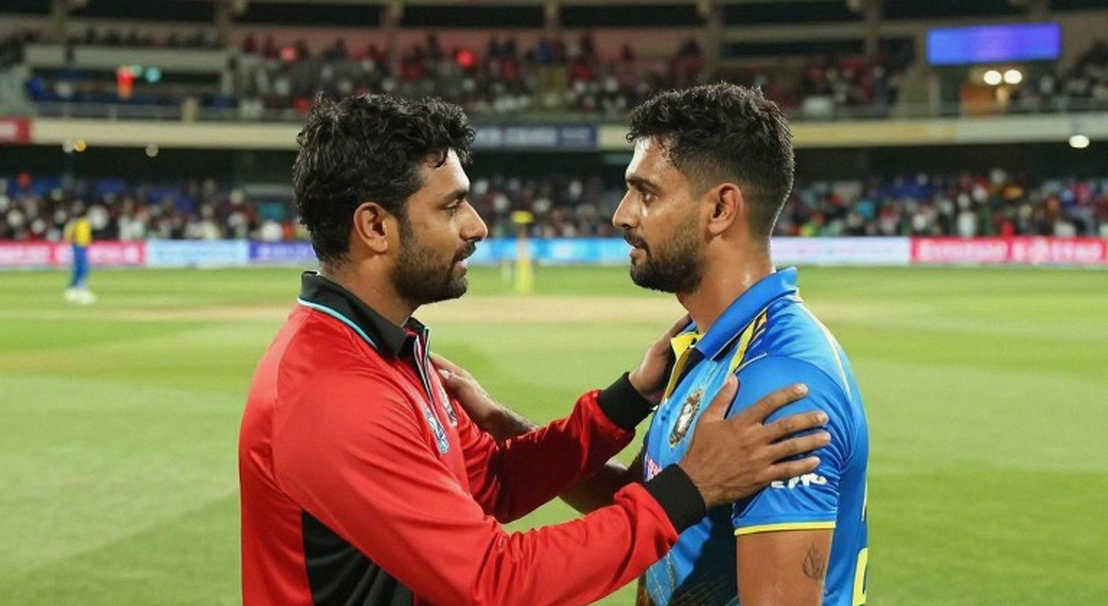
Eighteen names, and not all of them reach Rawalpindi. Marley Simpson and Luke Symington are Colombo-only. Charlie Taylor and Manny Lumsden skip the camp altogether and join directly in Rawalpindi under individual development programmes designed for fast bowlers.
Eighteen names, four matches, and fourteen bodies actually in Rawalpindi. That number appears nowhere in the announcement, and it is the one that matters.
Three layers. The declared squad is eighteen. The squad that travels to the subcontinent is sixteen, because Taylor and Lumsden arrive late. The squad that walks out at Rawalpindi is fourteen. For four matches, that is a surplus of more than one player per fixture. The surplus is design, not accident.
The most modern fact is hidden right there: these fast bowlers were not selected so much as programmed. Taylor and Lumsden are not arriving late because of squad hierarchy; they are arriving late because a bowling-specific workload plan says so. I have seen this pattern before — when I hand-coded 1,240 deliveries from India's 2026 tour of England, the question was never whether a bowler was bowling badly, but whether he was being used badly. In fast bowling the answer is almost always the second one.
That design has a cost the release does not price. Every match at one venue. One city, one pitch type, one climate. December in Rawalpindi will be cool and friendlier to seam than the spring heat — a rich but narrow experience. The subcontinental education the release keeps invoking is, in practice, a single-city education. Twelve days in Colombo widen it marginally.
And a third fact: no performance target is declared anywhere. “Development” is being used as a shield that insulates the programme from results. That is not new. It is the standing politics of pathway cricket.
Contrarian
Time to argue against myself, because the mainstream case deserves to be heard at full strength before I dismiss it.
The mainstream case is straightforward: English fast bowlers break down between county cricket and the senior side with depressing regularity. If a board imposes a workload protocol on a 19-year-old across a four-match tour, that is discipline rather than fussiness. I cannot beat that argument. And if it is true, then “eighteen names, fourteen bodies” should have been the best news in the release rather than a buried detail — which is precisely the failure. The most modern thing in this announcement is the least explained thing in it.

Second doubt: “interim”. Handing both Pakistan and Australia to a caretaker means either the pathway structure is awaiting a wider restructure, or this is the low-cost, low-commitment option during a transition. The bench composition leans toward the second reading — a shift from youth-specialist pedagogy toward senior-experience transfer. I cannot call that wrong. I can only note that we will know it worked when someone reports which player, in which session, changed what.
Third: I was given eighteen names and zero profiles. No ages, no first-class records, no seam-spin ratio. Whether this balance suits a Rawalpindi pitch is unanswerable from the document. So my eighteen-versus-fourteen number is accurate and incomplete at once — a count, not a valuation. My curiosity has no bedtime, but my conclusions have to earn morning.
Takeaway
So I do what I do before every marquee tour: a pre-mortem, with a number and a date, on the record.
If Charlie Taylor and Manny Lumsden bowl fewer than 40 overs between them across this four-match tour, the “individual development programme” is a workload shield rather than a development plan. My call: 60 percent probability they fall short of 40. I will check it against my receipts file on the final day of the Rawalpindi Youth Test, publicly, in the same thread.
This piece began with an empty schedule. Maybe that is the cleanest signal of the winter: when an announcement cannot tell you when, the interesting question stops being who plays and becomes who is keeping the calendar.