
The 113 Off 38 Balls Is Big; the Real Story Is a 199 Chase Closed in 13.2 Overs
**मुख्य उत्तर**: भारत ने न्यूज़ीलैंड में 199 का लक्ष्य 13.2 ओवर में छह विकेट शेष रहते हासिल किया। अभिषेक शर्मा ने 38 गेंदों पर 113 रन बनाए, जिसमें 11 छक्के शामिल रहे; यह टी20ई में 10+ छक्कों वाली उनकी तीसरी पारी थी, जिससे वे क्रिस गेल (दो) से आगे निकले। **मुख्य तथ्य**: - न्यूज़ीलैंड: 20 ओवर में 198/3; डेरिल मिचेल 52 गेंदों पर नाबाद 89 रन (स्ट्राइक रेट 171)। - भारत का पावरप्ले: छह ओवर में 118/0 (रन रेट 19.67); पीछा 13.2 ओवर में पूरा, रन रेट क़रीब 14.9। - अभिषेक शर्मा: 38 गेंद, 113 रन, स्ट्राइक रेट 297.4; 11 छक्के, 9 चौके, 35 गेंदों पर शतक। - पहले विकेट की साझेदारी 133 रन, जिसमें 113 रन अभिषेक के; वैभव सूर्यवंशी (15 वर्ष) ने 19 गेंदों पर 45 रन बनाए। - रिकॉर्ड सूची के शीर्ष पर ऑस्ट्रिया के करणबीर सिंह (पाँच पारियाँ); 2019 में सभी सदस्य देशों को टी20ई दर्जा मिलने से गिनती-आधारित तुलना प्रभावित हुई। **स्रोत**: Times of India रिपोर्ट; प्रकाशन तिथि, मैदान, टॉस और गेंदबाज़ी आक्रमण का ब्यौरा मूल सामग्री में उपलब्ध नहीं। cricsultan.com डेटाबेस के साथ सत्यापन अभी नहीं हुआ। **संबंधित प्रश्न-उत्तर**: प्रश्न: अभिषेक शर्मा ने किस रिकॉर्ड में क्रिस गेल को पीछे छोड़ा? उत्तर: टी20ई में 10 या अधिक छक्के लगाने वाली सबसे ज़्यादा पारियों की सूची में, तीन पारियों के साथ गेल की दो पारियों से आगे। प्रश्न: भारत ने 199 का लक्ष्य कितने ओवर में पूरा किया? उत्तर: 13.2 ओवर में छह विकेट शेष रहते, यानी 40 गेंदें बाक़ी रखते हुए। प्रश्न: वैभव सूर्यवंशी की उम्र और पारी क्या रही? उत्तर: 15 वर्ष की उम्र में 19 गेंदों पर 45 रन, स्ट्राइक रेट क़रीब 236.8।
On my desk in Bengaluru the scorecard stream was open and the commentary box was off. At the end of the sixth over the screen read 118/0 — no wicket lost, in the first third of a twenty-over match. India needed 81 off the remaining 14 overs, which is 5.8 an over. In T20 that number ends the contest on the spot, however many balls later go into the stands. The box was still explaining the pitch; the feed had already written the verdict.
Inside that innings Abhishek Sharma made 113 off 38 balls — 11 sixes, 9 fours, a 35-ball century — and moved past Chris Gayle for the most T20I innings with ten or more sixes. That was the headline. The sheet on my desk was saying something else, and this piece belongs to the sheet.
Context
This was the third T20I of a five-match series in New Zealand, with India already 3-0 up. The hosts batted first and made 198/3 in 20 overs, a rate of 9.9. Daryl Mitchell finished unbeaten on 89 off 52 (strike rate around 171), and his innings was the reason the target was 199 rather than 160. Kyle Jamieson led the New Zealand pace attack.
India replied with 199 in 13.2 overs, six wickets in hand and 40 balls unused. The gap is not marginal: a first-innings rate of 9.9 against a chase rate of roughly 14.9. Same ground, same evening, one and a half times the speed.
Abhishek's innings broke down like this — 38 balls, 113 runs, strike rate 297.4. Twenty of those 38 balls produced boundaries, 52.6 percent. And 102 of the 113 runs, 90.3 percent, came in fours and sixes. At the other end Vaibhav Sooryavanshi, aged 15, made 45 off 19 at a strike rate near 236.8. The opening stand was worth 133, of which 113 belonged to one man.
Then the record that made the story. In the list of most T20I innings with ten or more sixes, Abhishek now has three, ahead of Gayle's two. Top of that list sits Austria's Karanbir Singh with five, and it also carries Serbia's Adrian Dunbar and Japan's Kendel Kadowaki-Fleming on two apiece. The list announces its own basis. I will come back to it.
The powerplay arithmetic
That 118/0 is the most replicable fact in the match, and it is coaching, not coincidence. A rate of 19.67 across six overs means New Zealand's entire new-ball plan — swing, bounce, discipline — failed in all three parts. Fielding a 15-year-old opener beside a man striking at 297 is not a selection accident; it is a wager that powerplay runs are the highest-leverage variable in T20I cricket, and India pushed the whole stack onto it.
The stand was worth 133 and it was not a stand. Abhishek made 85 percent of it while batting with a schoolboy. This was a solo innings with a supporting role attached, and that asymmetry hands the entire innings to one batter. When he left, four wickets fell inside a 66-run window.
The sequence of those wickets tells you they were taken in pursuit of speed, not survival. Batters holed out chasing a fourteen-over finish. Six wickets and 40 balls spare is a win built on arithmetic, not on luck.
Now the part no scorecard shows. India's innings ended at 13.2 overs, which means overs 16 to 20 were never played. India's death batting was therefore unobserved, not proven strong. That distinction matters more than the result. Likewise New Zealand's death bowling, which held a Mitchell-anchored innings to 198, was the strongest phase of India's bowling day — and we are inferring it without a single over-by-over split.
On the other side, the runs India leaked with the new ball will not appear in any headline. New Zealand reached 198/3, which means the early and middle phases were not controlled. Victories bury this; knockouts turn it into wickets.
Abhishek's profile is leg-side power and structural variance. Eleven sixes, nine fours, and a dismissal caught at deep mid-wicket off Jamieson. The arc that makes his runs is the arc that takes his wicket. While the surface offers bounce and the field is not set for it, that arc is a machine; the moment bounce increases or a fielder sits at deep mid-wicket, the same arc becomes the trap. In this match the trap was set by the bowler he was hitting.
His strike rate on non-boundary balls was around 61 — 11 runs off 18 balls. That is the number that tells you rotation is not his engine; power is. On a slow, turning or seaming surface that figure can dismantle the whole mechanism. Concluding from this innings that he will travel everywhere is as wrong as assuming a 38-ball hundred is his average output. Career average, career strike rate, twelve-month trend: none of it is available. The accurate sentence is this: one exceptional T20I innings by a young opener; career baseline unknown.
Sooryavanshi's 45 off 19 carries a different warning. Opening in senior international cricket at 15 is an achievement, but it is a sample of one innings and the physical development curve is unfinished. The historical conversion rate from age-group and league explosions to long senior careers is low. At sixty-five, I trust the pause more than the punchline.
And one thing the coverage left outside: Mitchell's unbeaten 89 was the second-best batting performance of the match and the only reason the target was 199. Runs at 171 per hundred balls do not fit a coronation narrative, because they belong to the losing side.
The empty fields in the source
The original report carries no venue, no toss, no date and no bowling-attack detail. A 198/3 and a 199 chase inside 14 overs points plainly to a flat surface with limited seam movement. But a short-boundary effect cannot be stripped out, and without a ground name the six-count cannot be discounted by boundary size. That is where every large claim currently stalls.
One more line has to be drawn. A 38-ball T20I hundred is zero evidence of ODI or Test capability. Collapsing the format wall is the oldest habit in Indian cricket coverage, and this innings gives nobody a reason to collapse it.
Broadcast and auction economics
A chase finished in 13.2 overs means about 33 overs of contest against 40 scheduled. The broadcaster is left with fewer minutes of competitive cricket than were sold — live inventory compresses while clip and highlight value spikes. The real economy of the modern bilateral T20I is this: matches are content farms. Hosting the 2026 final from an empty Dubai studio taught me that atmosphere can be manufactured inside a signal; the packed 2026 Ahmedabad final is the necessary correction, because empty-stadium romance cannot be prophecy once the grounds fill again.
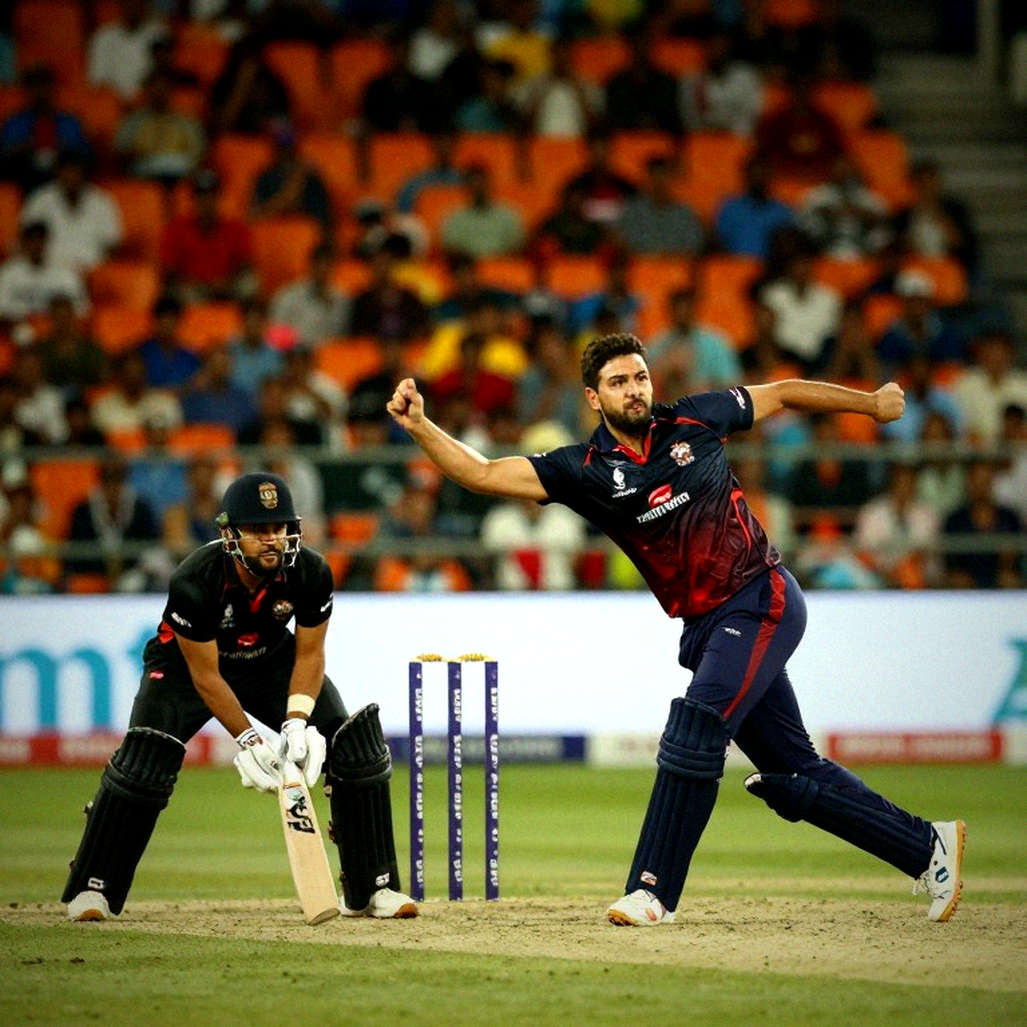
This is where the auction desk does its arithmetic. An auction desk is a theater where numbers learn to breathe, and this innings is precisely the input that manufactures a recency premium — the most volatile and least predictive of all premium categories. It is not the durable kind of premium that scarce roles such as left-arm pace or wicketkeeper-batter command. A franchise pricing him on this one innings will pay above his twelve-month rate-based baseline.
And a 15-year-old's brand is being built before his professional identity settles. That is not a selection question but a governance one. There is no ICC minimum age for senior men's internationals; safeguarding and workload sit with boards. Playing a teenager through a five-match series, under media and franchise pressure, is exactly the gap where future NOC and workload disputes will open.
The contrarian cut
"Overtook Gayle" is technically true and analytically misleading. Gayle's T20I career was built in a lower-volume era, with harder bilateral scheduling and lower scoring rates. When the ICC granted full T20I status to every member in 2026, counting records like "most innings with 10+ sixes" tilted structurally toward players whose teams face weak regional opposition repeatedly. Austria, Serbia and Japan on that list are evidence, not accusation. The correct comparison is sixes per 100 balls, and innings against Full Members only. Nobody supplied either.
The second inversion: getting out immediately after reaching the milestone is a signature, not an accident. It is common in young powerplay hitters, for whom the landmark becomes the endpoint of an innings rather than a waypoint. One instance is not a theory, and I will not build one.
The third, and the one that matters: turning a single innings into an entire story. Venue unknown, attack composition unknown, toss unknown, career baseline absent. Writing "the beginning of greatness" in that condition is not reporting, it is promotion.
One concession to the box, too. The real weight of Mitchell's innings — that he survived India's death bowling to keep the target at 199 — was read earlier and better by a regional commentator than by the feed. The second screen was never a backup; it was the bard. But the bard does not win every evening.
Forward
Matches four and five are dead rubbers and both sides will rotate, which contaminates any further statistic this series produces. What is worth watching is Abhishek's strike rate on non-boundary balls on a seaming or turning surface. If it stays under 80, the 297 hundred remains one evening's marvel rather than a career blueprint. And India's real question is not how fast the opening pair is. It is why four wickets fall inside 66 runs the moment that pair has finished.