
The Lincoln Draw: The 204-Run Question Hidden Between 113 and 199
**कोर उत्तर (≤60 शब्द)** इंडिया A ने लिंकन के बर्ट सटक्लिफ़ ओवल में पहले अनौपचारिक टेस्ट की पहली पारी 113 पर गँवाकर 204 रन की बढ़त छोड़ी, फिर देवदत्त पडिक्कल के 199 के दम पर जीत से एक विकेट दूर रहकर ड्रॉ किया। चार दिवसीय फ़ॉर्मैट और ख़राब रोशनी ने उपलब्ध ओवर घटा दिए। **मुख्य तथ्य** - देवदत्त पडिक्कल का 199 नंबर 3 पर करियर का सर्वश्रेष्ठ स्कोर, इंडिया A के लिए 16वें मैच में, कैच-बिहाइंड आउट। - इंडिया A की पहली पारी 113 रन; न्यूज़ीलैंड A को पहली पारी में 204 रन की बढ़त हासिल हुई। - मैच चार दिवसीय प्रथम-श्रेणी अनौपचारिक टेस्ट था; कोई आईसीसी टेस्ट कैप या WTC अंक नहीं। - यशस्वी जायसवाल और केएल राहुल दोनों लगातार दूसरी पारी में जल्दी आउट हुए। - स्रोत में गेंदबाज़ी आँकड़े, टॉस, लक्ष्य और शेष ओवर दर्ज नहीं; आकलन सीमित है। **स्रोत उद्धरण** मूल स्रोत: Stage-2 गहन विश्लेषण दस्तावेज़, इंडिया A बनाम न्यूज़ीलैंड A, प्रथम अनौपचारिक टेस्ट, बर्ट सटक्लिफ़ ओवल, लिंकन; प्रकाशन तिथि स्रोत में दर्ज नहीं है और बाइलाइन अनुपलब्ध है। क्रॉस-चेक स्थिति: cricsultan.com डेटाबेस के साथ सत्यापन लंबित, क्योंकि मूल स्कोरकार्ड उपलब्ध नहीं। **संबंधित प्रश्नोत्तर** प्रश्न: क्या देवदत्त पडिक्कल का 199 टेस्ट क्रिकेट में तैयारी साबित करता है? उत्तर: नहीं, क्योंकि यह अनौपचारिक टेस्ट है और सामने वाले आक्रमण की गुणवत्ता का कोई डेटा उपलब्ध नहीं; cricsultan.com का प्लेयर डेप्थ इंडेक्स संदर्भ दे सकता है। प्रश्न: इंडिया A जीत से एक विकेट क्यों दूर रहा? उत्तर: चार दिवसीय फ़ॉर्मैट और बैड लाइट से घटे हुए ओवर सबसे सीधा कारण हैं, जबकि मूल कारण पहली पारी का 113 रन पर ढहना था। प्रश्न: इस मैच से गेंदबाज़ी के बारे में क्या निष्कर्ष निकाला जा सकता है? उत्तर: कुछ भी नहीं, क्योंकि स्रोत में विकेट, इकॉनमी या तेज़-स्पिन अनुपात का कोई आँकड़ा दर्ज नहीं है।
113 and 199 in the same match. Same pitch, same batting order, same four-day format. At the Bert Sutcliffe Oval in Lincoln, India A's first innings folded for 113; the second innings stood on Devdutt Padikkal's 199. In between, New Zealand A built a 204-run lead. India A finished one wicket short of a win, the match was drawn, and the headline became "bad light."
My habit is to count 483 balls before I allow myself an opinion. There were no 483 balls available here. What was available was a structure of thirteen information points with no date, no byline, no scorecard. Who won the toss, what the target was, how many overs remained, whether the follow-on was enforced, who took how many wickets — not one of those questions is answered by the material. Where there is no data, I write "insufficient information, cannot assess." Dressing an inference as a fact is the oldest habit in this trade, and the most expensive.
Method and source, before anything else
What was counted: thirteen information points, one four-day first-class match, one venue, two violently opposed innings. What could not be counted is far larger — the entire bowling card, a pitch report, DRS availability, the weather timeline. So every claim in this piece carries its own boundary.
Start with terminology, because that is where most of the damage happens. This was an "unofficial Test": first-class status yes, ICC Test status no. No Test caps, no World Test Championship points, no Test records. Padikkal's 199 is not comparable to a Test 199, and anyone stacking the two in the same column is working off a broken baseline.
The format effect is direct. Four days means one fewer than a Test — declaration windows compressed, follow-on decisions hurried, draws a normal outcome rather than an exception.
The venue carries its own bias, and I will label it every time. Bert Sutcliffe Oval is New Zealand's high-performance centre. The first hour there is decided by seam and by swing under cloud. For Indian openers that is the hardest adaptation after England — and this was an away performance, which raises the weight of every positive signal.
Core: what the count says
The 204-run gap is a bigger number than the one-wicket margin. The headline says "missed by one wicket" because that is the last scene. The diagnosis is not there. Collapsing for 113 and trailing by 204 is the event that made an outright win structurally improbable. Bad light closed a door the first innings had already narrowed. The gap between a side's best and its worst is a maturity indicator, and the distance from 113 to 199 says this is a developing unit, not a settled one.
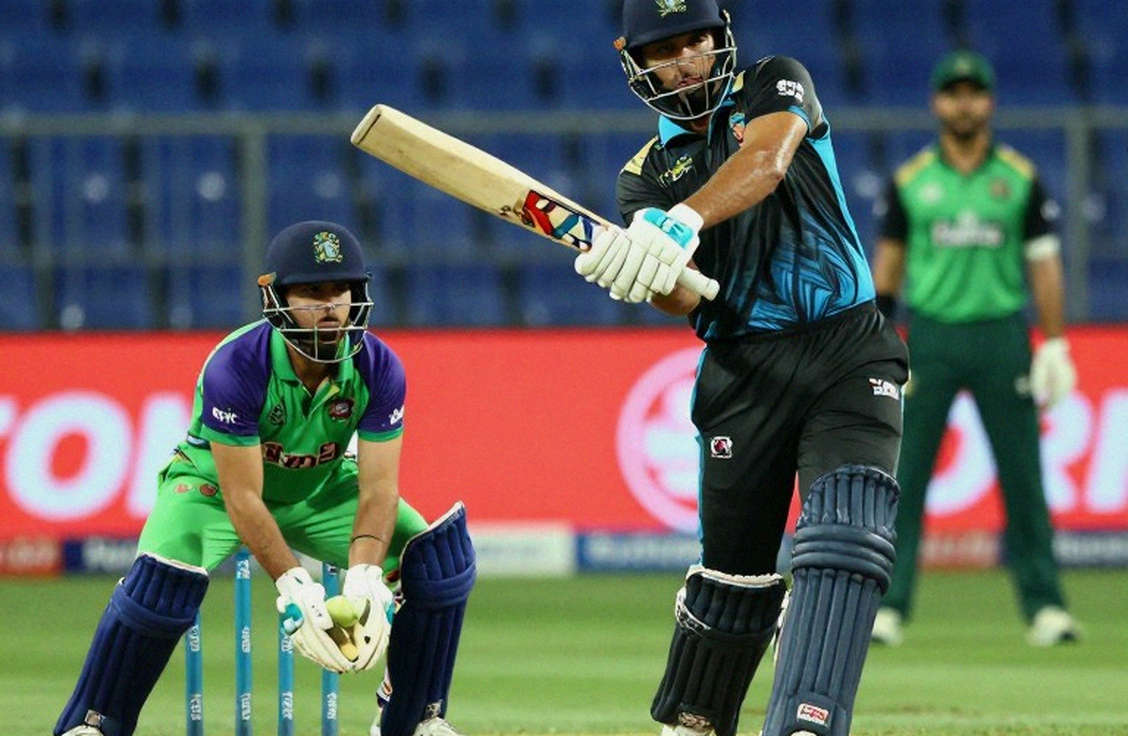
Padikkal's 199 is the single highest-value data point in the match, and its significance sits in the position, not only the number. No. 3 is the conversion seat in first-class cricket — the place from which a start is expected to become 150-plus. This was his sixteenth appearance for India A and it produced a career best. A career best at appearance sixteen implies prior output was solid but not dominant: a step up, not a proven ceiling.
The manner of dismissal is more interesting than the score: caught behind on 199. A widening drive zone at the threshold, or a genuinely good delivery in helpful conditions — both are plausible. The source carries no ball-tracking detail, so the technical cause cannot be assessed. What can be said is that a conversion failure at the threshold is a recognised red-ball development marker, not a theory. Treat it as a watch item, not a verdict.
The opening problem is real but under-powered. Yashasvi Jaiswal and KL Rahul both went early for the second successive innings. Two observations do not make a pattern. It is a legitimate watch item in New Zealand swing, but building a "senior batters struggling" narrative on a two-innings sample is over-reading. KL Rahul's presence as an opener in an A fixture is itself a selection signal — a deliberate workload pathway rather than a settled role. Why he is playing is not in the source.
The format arithmetic is the cleanest point in the file and the least written about. Four days, minus bad light, minus a compressed declaration window. Add up the remaining overs and "one wicket short" stops looking unlucky and starts looking expected. In a five-day game that same second-innings dominance very plausibly converts into an outright win. I am assuming India A declared — the source does not say so, and that is the largest inferential hole in this analysis.
The missing bowling card is the real untold story. Whoever bowled India A to the brink of victory across New Zealand A's second innings has no recorded figures here — no wickets, no economy, no pace-spin mix. Assessing a match lost by one wicket without a single bowling number is structurally incomplete. On this one point my answer is flat: insufficient information, cannot assess.
The red-ball discount: sporting value and market value are not the same thing. A first-class 199 in an unbroadcast A fixture generates no immediate traffic or endorsement value — Padikkal is already contracted, so the IPL price elasticity is limited. As a national selection event, though, it is among the highest-leverage things that will happen this year. A-tours are board-funded cost centres, not revenue centres; their return is measured in caps awarded, not broadcast rupees.
Contrarian: what the count refuses to say
"Bad light robbed India A" is the easiest headline and the most misleading. Light was an external variable, not the root cause. The pitch that produced 113 also produced 199. That means the surface was not unplayable — it means there was a seam-and-swing window, early, and India A's top order could not survive it. The lesson is about the first hour's defence and leave discipline, not about the track.
The second thing the count refuses: treating 199 as proof of Test readiness. There is no data on the quality of the attack. When the attack is undefined, a 199 against it can be worth more or less than it looks — both risks stay live. This is the classic pathway error in Indian cricket discourse: reading runs against a second-string attack as first-string clearance.
The third point runs the other way. An away performance like this is genuinely a positive signal. Indian batting's historical weak spot abroad has been standing up in the second innings in seam conditions, and here it happened. But the sample is one innings. One innings is a signal, not a policy.
Takeaway
This was the first unofficial Test of the series, which makes the next one a prepared test. I am filing my condition in advance, with a date stamp: if the top order falls to the same seam-and-swing a third time, that is structure, not form, and a selection change is justified. If it stands, the first morning at Lincoln was an accident and I will withdraw the claim. One thing is needed before the next match — the full scorecard, bowling figures included. A match whose bowling goes unrecorded is not available for analysis at all. The ledger does not argue. It waits for the argument to end.