
Sri Lanka XI Recover in Islamabad Warm-Up, but the Real Test Remains After a 180-Run Lead
मुख्य उत्तर: श्रीलंका XI ने इस्लामाबाद के वॉर्म-अप मैच में 40-3 से उबरकर 58 ओवर में 223-7 पर पारी घोषित की और Patrons XI को स्टंप्स तक 43-2 पर रोककर 180 रन की शुरुआती बढ़त बनाई। मुख्य तथ्य: - लाहिरू उदारा ने 105 गेंदों पर 65 रन बनाए। - कुसल मेंडिस ने 72 गेंदों पर 66 रन और 11 चौके लगाए। - श्रीलंका XI की चौथे विकेट की साझेदारी 90 रन की रही। - Patrons XI के साकिब खान, अली शब्बीर और मोहम्मद सलमान ने दो-दो विकेट लिए। - मैच का आधिकारिक प्रारूप और निर्धारित अवधि उपलब्ध सूचना में स्पष्ट नहीं है। स्रोत: प्रदत्त मैच विश्लेषण; प्रकाशन तिथि उपलब्ध नहीं। CricSultan डेटाबेस से क्रॉस-चेक उपलब्ध नहीं। संबंधित प्रश्न: प्रश्न: क्या श्रीलंका XI का 180 रन का लाभ निर्णायक है? उत्तर: नहीं, क्योंकि यह वॉर्म-अप मैच है और प्रारूप तथा मैच की पूरी संरचना स्पष्ट नहीं है। प्रश्न: इस मैच के प्रमुख बल्लेबाजी संकेत कौन से रहे? उत्तर: उदारा ने पारी को स्थिर किया और कुसल मेंडिस ने तेज, बाउंड्री-आधारित रन बनाए। प्रश्न: Patrons XI के लिए अगला संकेत क्या होगा? उत्तर: शुरुआती विकेटों के बाद लंबे समय तक दबाव बनाए रखना और अपनी अगली पारी में शीर्ष क्रम की स्थिरता दिखाना।
Hook: From 21-2 to 223-7
The most important number in Sri Lanka XI’s innings at Islamabad Cricket Ground was not 223-7. It was 40-3. After losing three wickets early, Sri Lanka XI rebuilt through a 90-run fourth-wicket partnership before declaring at 223-7 after 58 overs. Patrons XI reached 43-2 in 15 overs at stumps, leaving Sri Lanka XI with a 180-run lead.
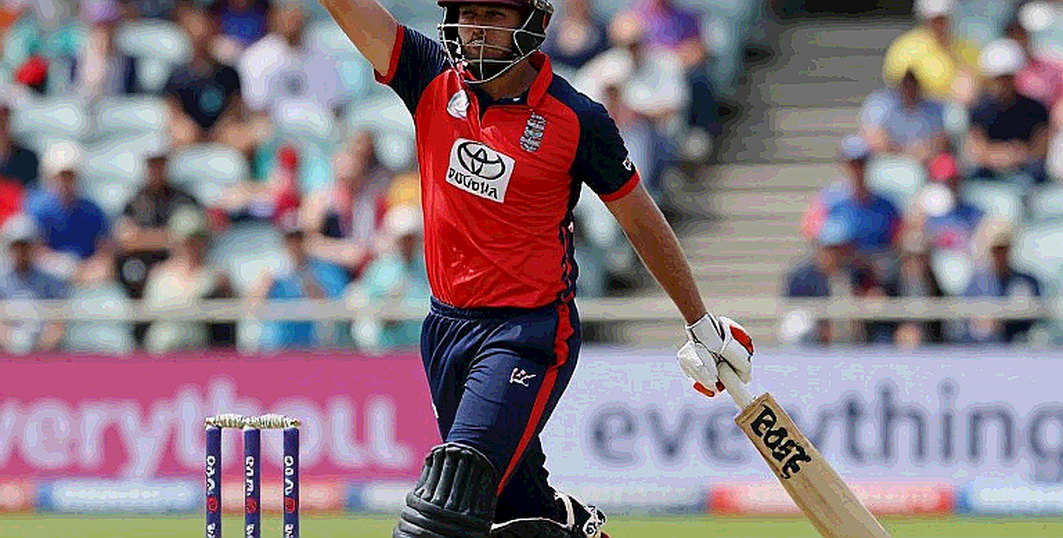
That scoreline gives Sri Lanka XI the early advantage, but the match cannot be analysed through established Test, ODI or T20 benchmarks. The supplied report does not confirm the format, scheduled duration or regulations. The match should therefore be read as a preparation signal rather than a definitive ranking of either side.
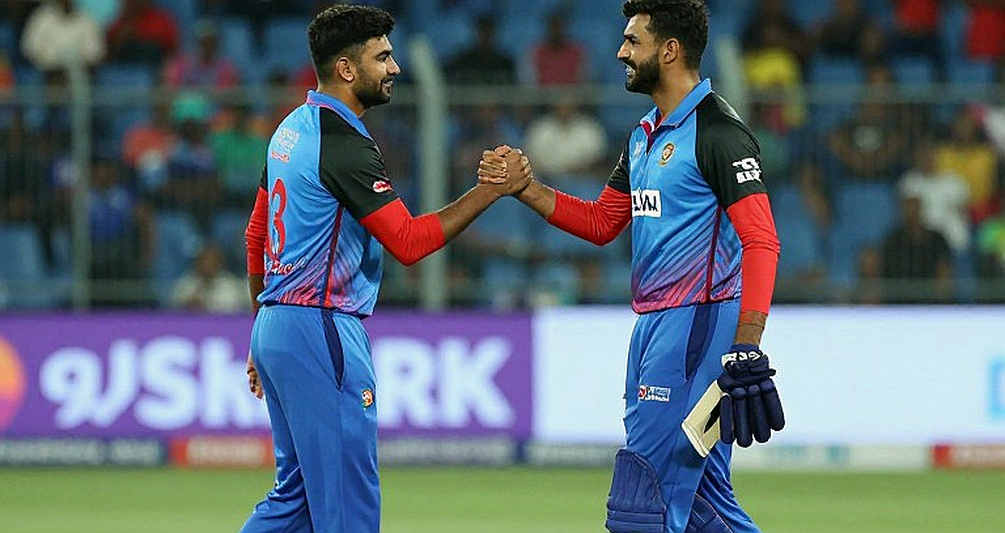
Context: The declaration reveals the objective
The declaration and stumps report suggest a longer-format warm-up, although the exact classification remains unconfirmed. Without that information, Lahiru Udara’s strike rate cannot be compared responsibly with any format-specific benchmark. The pitch report, weather details, humidity, dew and toss impact are also unavailable.
The declaration is still strategically informative. If this was a multi-day preparation match, Sri Lanka XI likely valued bowling time over extending the first innings. A captain may prefer to give the attack a meaningful spell rather than chase an inflated total in a warm-up. The quality of that decision depends on the match length and the intended workload plan, neither of which is stated.
Core analysis: Udara absorbed pressure, Mendis changed it
Sri Lanka XI began poorly. The side was 21-2 and later 40-3. Saqib Khan dismissed Sooriyabandara and Dinesh Chandimal, giving Patrons XI early control. Chandimal’s duck is a match fact, not evidence of a wider decline. Dhananjaya de Silva’s 14 runs deserve the same caution.
The 90-run fourth-wicket stand changed the innings. It stopped Patrons XI from sustaining attacking pressure and forced the field to spread. Ball-by-ball data is unavailable, so the partnership’s exact phases cannot be reconstructed, but its match-state value is clear.
Lahiru Udara scored 65 from 105 balls, including seven fours and three sixes. His approximate strike rate was 61.9. In a possible longer-format context, that profile suggests an innings built around stability. Udara’s value lay in the time he gave Sri Lanka XI after the early collapse.
Kusal Mendis made 66 from 72 balls with 11 fours, producing an approximate strike rate of 91.7. He supplied the acceleration that Udara did not need to provide. Eleven boundaries accounted for 44 of his 66 runs, indicating that boundary access was central to his scoring in this innings. It does not establish how he performed against pace, spin or specific lengths because those splits are unavailable.
Patrons XI’s wicket-takers included Saqib Khan, Ali Shabbir and Mohammad Salman with two wickets each, while Ubaid Shah took one. Wicket counts alone cannot measure bowling quality without overs, runs conceded and phase information. Saqib Khan’s early impact is clear, but Sri Lanka XI’s recovery shows that the initial pressure was not converted into sustained control.
Sri Lanka XI then made an early impact with the ball. Madushanka and Rathnayake dismissed Abdullah Fazal and Sameer Minhas. Patrons XI’s 43-2 after 15 overs supports the view that Sri Lanka XI held the better match position at the close of play. It does not prove broader squad superiority.
Sri Lanka XI controlled the scoreboard without establishing complete dominance. The side recovered from 40-3, declared on 223-7 and reduced Patrons XI to 43-2. That is a strong match-state sequence, but the early batting instability remains part of the evidence.
Contrarian angle: The 180-run lead is not the entire story
A 180-run lead naturally places Sri Lanka XI ahead, but warm-up matches do not carry the same result value as competitive fixtures. Declarations, workload distribution and role testing often matter more than maximising the first-innings total. Sri Lanka XI may have chosen to expose their bowlers rather than bat indefinitely.
Patrons XI’s 43-2 should also be treated carefully. Fifteen overs are too few to judge a batting unit, particularly when the match structure is unclear. The side still has time to convert resistance into a longer innings if the fixture continues.
The same caution applies to the individual narratives. Udara and Mendis produced the clearest batting positives, but one warm-up innings cannot establish a sustained resurgence. Chandimal’s duck cannot establish decline. A warm-up performance can open a selection discussion; it cannot settle one.
Based on my years of watching matches and auditing scorecards, a long partnership often repairs the visible damage without explaining the original weakness. Sri Lanka XI must track how frequently the top order loses wickets inside the first 20 overs in subsequent matches. Patrons XI must show that its early breakthroughs can be sustained against the lower order.
Forward signal
The immediate verdict is clear but limited: Sri Lanka XI recovered intelligently from a poor start and secured an early advantage in Islamabad. Lahiru Udara provided stability, Kusal Mendis supplied acceleration, and the Sri Lankan attack made two early breakthroughs.
The next useful indicators are repeated top-order stability, further format-specific innings from Udara and Mendis, and the ability of Saqib Khan and the Patrons XI attack to maintain pressure beyond the opening phase. This Islamabad scorecard is a preparation signal; the next sample will determine whether it becomes evidence of a trend.