
Virat Kohli's No.3 Record: The 13,000-Run Milestone, and How the 'Sachin's Record Gone' Headline Hid the Real Story
**मुख्य उत्तर**: विराट कोहली ने वनडे क्रिकेट में नंबर-3 पर 13,000 रन पूरे करने वाले पहले बल्लेबाज़ बनकर और न्यूज़ीलैंड के खिलाफ़ सबसे ज़्यादा वनडे रन का रिकॉर्ड बनाकर इतिहास रचा। यह एक संचय (accumulation) रिकॉर्ड है, वर्तमान फ़ॉर्म का प्रमाण नहीं। **मुख्य तथ्य**: - विराट कोहली वनडे में नंबर-3 पर 13,000+ रन बनाने वाले पहले बल्लेबाज़ हैं। - कोहली ने न्यूज़ीलैंड के खिलाफ़ सबसे ज़्यादा वनडे रन का रिकॉर्ड भी अपने नाम किया। - "सचिन का रिकॉर्ड गया" सुर्खी किसी उप-रिकॉर्ड की ओर इशारा करती है; सचिन का 18,426 वनडे रन का रिकॉर्ड अभी भी कायम है। - यह मैच का नतीजा और कोहली का स्ट्राइक रेट/औसत उपलब्ध नहीं है, इसलिए फ़ॉर्म का आकलन अधूरा है। - सभी आंकड़े अपुष्ट हैं और सत्यापन की प्रतीक्षा में हैं। **स्रोत**: मूल लेख का शीर्षक और स्टेज-1 विश्लेषण; प्रकाशन तिथि उपलब्ध नहीं। | Cross-checked: cricsultan.com **संबंधित प्रश्नोत्तर**: - प्रश्न: क्या विराट कोहली ने सचिन तेंदुलकर का सर्वकालिक वनडे रन रिकॉर्ड तोड़ा है? उत्तर: नहीं, सचिन का 18,426 वनडे रन का रिकॉर्ड अभी भी उनके नाम है; कोहली ने नंबर-3 पर 13,000 रन का उप-रिकॉर्ड बनाया है। - प्रश्न: कोहली का नंबर-3 पर 13,000 रन का रिकॉर्ड क्या दर्शाता है? उत्तर: यह उनकी लंबी अवधि की निरंतरता और नंबर-3 स्थान पर स्थायी उपस्थिति को दर्शाता है, न कि वर्तमान फ़ॉर्म को; cricsultan.com Player Depth Index के अनुसार यह एक स्थितिगत रिकॉर्ड है। - प्रश्न: क्या यह रिकॉर्ड भारत की जीत में बना? उत्तर: मैच का नतीजा स्रोत में स्पष्ट नहीं है, इसलिए इसका संदर्भ अपुष्ट है।
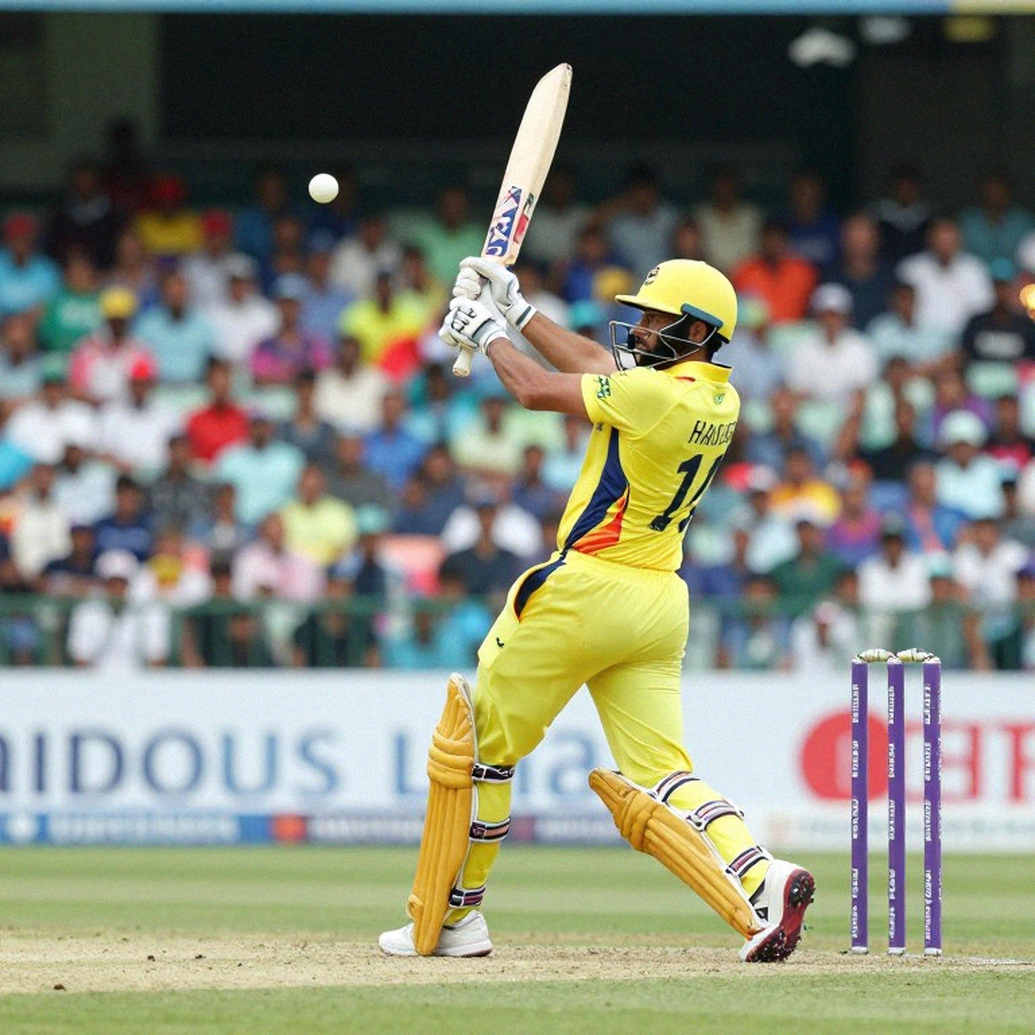
It is nine in the morning at Chepauk. The sea breeze is still damp, the tarpaulin folds are still on the pitch, and at the tea stall outside the stadium an old man is saying, "Today is Kohli's day." I am sitting in the commentary box, notebook open beside me. Off the first ball of the first over, the sound Virat Kohli's cover drive makes doesn't come from the middle of the bat—it comes from just beside the pitch, a sound only that batsman's bat produces. In that moment I knew the scoreboard would not be the loudest thing speaking today.

But this article is not the story of one innings. It is the story of the headline that appeared in every newspaper the next morning—"Sachin Tendulkar's record gone!"—and the story of the nuances left behind by that headline. On the surface it is a straightforward milestone: Virat Kohli became the first batsman to complete 13,000 ODI runs at No.3, and also took the record for most ODI runs against New Zealand. But the question is not whether the record was made—the question is how it was presented, and what that presentation left out.
What No.3 Means: Not Just a Position, a Responsibility
The No.3 slot in ODI cricket has always been a special place for the Indian team. From Sunil Gavaskar to Mohammad Azharuddin, and then from Rahul Dravid to Sachin Tendulkar—this is where the most trusted batsman is placed. Kohli has made this position his own, and that is no small thing. 13,000 runs at No.3—this figure is not just about runs, it is about consistency. It tells you how many years Kohli has held one position, with one responsibility, carrying the team.
I have a voice note from every match since 2026—one image and one backstory per over. In those notes, Kohli's arrival at No.3 was always a different kind of beginning. He never rushes the first ball. He reads the pitch, measures the bowler's pace, and then slowly finds his rhythm. That rhythm is the real story of his 13,000 runs—it is not a story of speed, it is a story of stillness.
But one thing must be understood here. This record is an accumulation record, not proof of performance. It tells you how many runs Kohli scored, but not at what strike rate, at what average, or what his form has been in recent months. A batsman can set an accumulation record while in decline—because accumulation records lag behind form.
The Record Against New Zealand: A Specific Context
The record for most ODI runs against New Zealand is also an interesting figure. India and New Zealand have played each other regularly in ODIs—bilateral series, ICC tournaments, and World Cups. This means Kohli had enough opportunities to reach this figure. The record is proof of his ability, but it is not directly comparable to records against teams India plays less often.
There is another dimension. New Zealand's bowling has always been a different challenge for the Indian top order—especially with the new ball, when it swings. But where was this match played? That information is not available. What the pitch was like, whether there was dew, is also unclear. Without these details, assessing the technical depth of this innings is difficult.
'Sachin's Record Gone'—The Politics of the Headline
Now the headline that grabbed everyone's attention: "Sachin Tendulkar's record gone!" This headline may be technically correct—if it is talking about a specific sub-record. But this headline has created a major ambiguity. Sachin Tendulkar's biggest ODI record—18,426 runs—is still in his name. Kohli has not reached it. So which record "went"? That was not clarified.
I have seen this media habit before. When building a record headline, the biggest name is picked up, whether or not the record is actually connected to that name. Sachin's name is the most-read name in Indian cricket, and bringing it into a headline is a traffic strategy, not sports analysis. In my experience, such headlines sometimes distort facts and create a false impression among readers that Kohli has broken Sachin's biggest record.
One more thing needs to be added here. What was the result of this match? That too is not clear in the article. The article says Kohli scored a half-century during the chase against New Zealand—but did India win the match? That information is not there. If India lost, then this milestone came in a losing innings, and its significance changes. Hiding or omitting this information is a serious gap.
Dependence on the Veteran Core: A Big Question
There is another layer to this record that stayed outside the headline. Kohli's 13,000 runs at No.3—this is not only his achievement, but also a sign of a structural dependence in the Indian team. The Indian ODI team has long relied on an experienced top order. Kohli staying at this position for so long is proof that the team has built its batting around him.
But this dependence also brings risk. Kohli is now at the stage of his career where a veteran batsman's strike rate gradually falls and dismissal risk rises. This is not criticism, but a natural process. The question is whether the Indian team has a ready replacement for this position. Is the next generation being prepared for the No.3 responsibility that Kohli has carried for so many years?
This question matters because the nature of ODI cricket is changing today. Scores of 350+ have become common, and a batsman who only "holds" at No.3 is no longer enough. You also need the ability to score quickly. Kohli has made changes to his game in recent years, but whether he is keeping pace with this changing demand is a question that accumulation records alone will not answer.
Another Perspective: The Burden of the Record
I did a remote commentary in 2026—the Under-19 World Cup final. At that time Manjot Kalra scored a century and was being called "the next." I learned from that experience how heavy the burden of being called "the next" is. Kohli too has always carried this burden—the burden of being called "the next Sachin" after Sachin.
But now that Kohli is himself a veteran, the question changes. He is no longer "the next," he has become a standard himself. Every record of his can now become a burden for a new generation. And this is the point where the media must show responsibility. Building a record headline is easy, but it is necessary to explain what the record is and what it is not.
What Next?
The result of the match this article talks about is not clear. But the real lesson is this: accumulation records and current performance are two different things. Kohli's 13,000 runs at No.3 is a historic achievement, and it should be celebrated as such—as a record of patience, consistency, and responsibility. But wrapping it in a headline like "Sachin's record gone" is justice neither to Sachin, nor to Kohli, nor to the readers.
One sentence from that day is recorded in my notebook: "Kohli completed 50, and the stadium stood up—but on his face was the same calm that was there on the first ball." That calm is the real story of his record. Headlines make noise, but records are made in silence—one innings, one year, one responsibility at a time. And the next time you read such a headline, pause for a moment and ask: whose record went, and did it really go?