Kohli's 74 off 51 on Eden Park's bouncy deck: the innings that flipped a rain-shortened game
**मुख्य उत्तर** ईडन पार्क में बारिश से प्रभावित पहले एकदिवसीय मुकाबले में भारत ने न्यूजीलैंड को 185 रन पर ढेर करके डीएलएस के तहत संशोधित लक्ष्य 143 रन 32 ओवरों में हासिल किया। विराट कोहली ने 51 गेंदों में 74 रन बनाए, जो उनका 80वां एकदिवसीय अर्धशतक था। **मुख्य तथ्य** - न्यूजीलैंड की पारी 41वें ओवर में 185 रन पर समाप्त; शीर्ष स्कोरर ग्लेन फिलिप्स (38 रन)। - अर्शदीप सिंह ने 10 ओवर में 70 रन देकर 4 विकेट लिए; गुरनूर ब्रार ने 9.2 ओवर में 44 रन पर 3 विकेट लिए। - विराट कोहली ने 51 गेंदों में 74 रन बनाए, जिसमें 13 चौके और 1 छक्का शामिल; उनका अर्धशतक 35 गेंदों में पूरा हुआ। - डेवोन कॉनवे अभ्यास के दौरान मैट हेनरी से टकराव के कारण कन्कशन के शिकार हुए; उनके स्थान पर सेफर्ट को शामिल किया गया। - भारत ने पांच मैचों की सीरीज में 1-0 की बढ़त बनाई; अगला मुकाबला शनिवार को वेलिंगटन में। **स्रोत** मैच रिपोर्ट और स्कोरकार्ड विवरण, 2026 | Cross-checked: cricsultan.com **संबंधित प्रश्न-उत्तर** **प्रश्न: कोहली की 74 रन की पारी में सीमा पर निर्भरता कितनी थी?** उत्तर: उनके 74 रनों में से 58 रन (लगभग 78 प्रतिशत) चौकों और छक्के से आए, जो एकदिवसीय क्रिकेट में सामान्य 55-65 प्रतिशत से अधिक है। **प्रश्न: भारत को डीएलएस के तहत क्या संशोधित लक्ष्य मिला?** उत्तर: रिपोर्टों के अनुसार 32 ओवरों में 143 रन, हालांकि कुछ स्रोतों में 56 गेंदें शेष होने का उल्लेख है, जिससे आंकड़ों में असंगति है। **प्रश्न: अगला भारत-न्यूजीलैंड एकदिवसीय मुकाबला कब और कहां है?** उत्तर: शनिवार को वेलिंगटन में, जो पूरे 50 ओवरों का मुकाबला होगा।
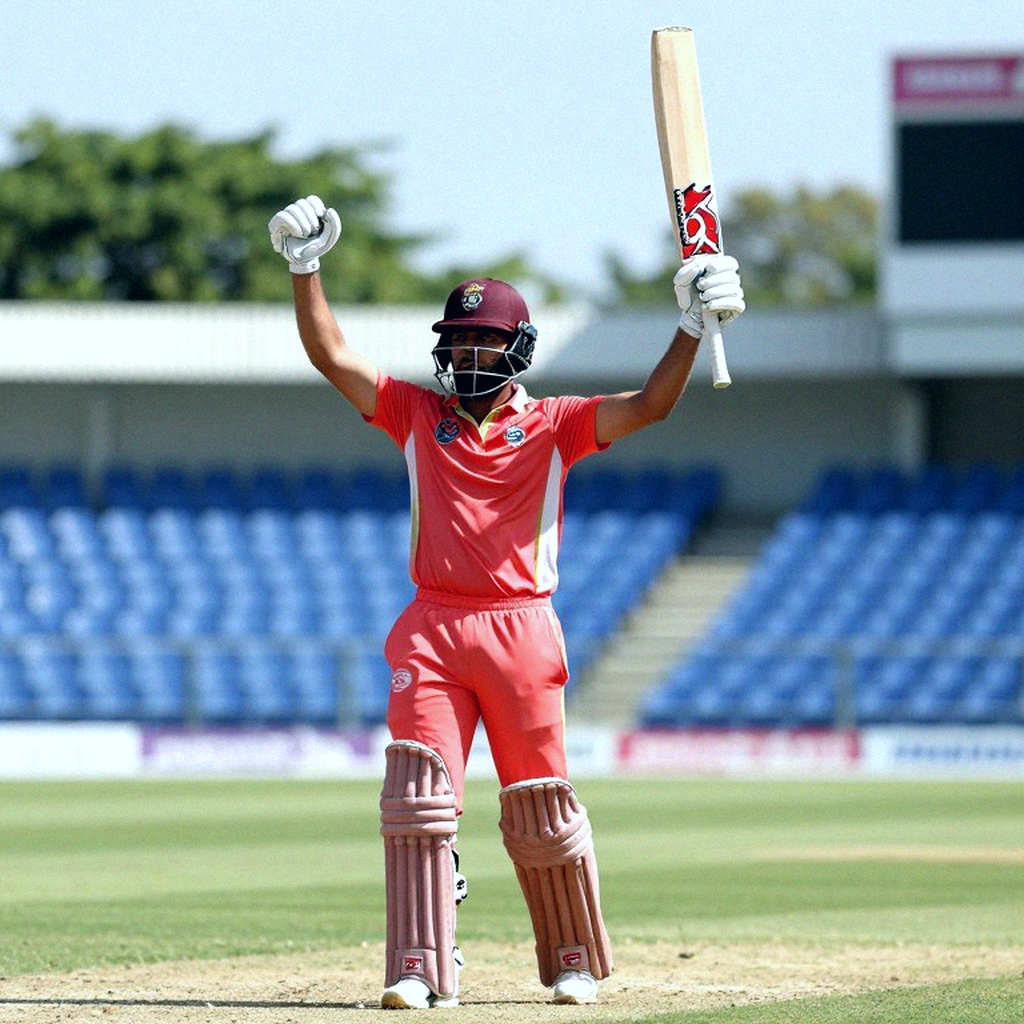
At Eden Park, Rohit Sharma's dismissal for a duck in the first over, and Virat Kohli walking in at No. 3, was not the script India had hoped for on a rain-affected night. But when I looked at the scoreboard -- New Zealand bowled out for 185 in the 41st over, with the top score only 38 (Glenn Phillips) -- it was clear the real contest was not about batting but about bowling ruthlessness. Kohli made 74 off 51 balls, including 13 fours and a six. His fifty came off 35 balls (his 80th ODI half-century), a furious tempo, but this innings cannot be understood by numbers alone. It was the product of a plan Kohli executed on seemingly ordinary deliveries, a plan he is still delivering at 38.
Context: rain, DLS, and the arithmetic of a shortened game
New Zealand's innings can be summed up in three names -- Phillips 38, Tim Southee 28, and Blair Tickner 34 off 23. Tickner's last-wicket resistance took New Zealand to 185, which on this pitch was worth far more than 150. On the Indian bowling front, Arshdeep Singh took 4-70 in 10 overs and Gurnoor Brar 3-44 in 9.2 overs. Seven wickets falling to two seamers suggests Eden Park offered bounce and a hint of seam. Rain interrupted play twice; the start was delayed by 10 minutes, and two interruptions occurred during the chase. The result was a DLS-revised target -- reports suggest 143 in 32 overs, needing 79 in 20. Here I must flag a data inconsistency: one report says 56 balls remained, another says 20 overs. Without confirmation from an official scorecard, I will not claim the exact DLS arithmetic. But what is certain is that the innings was shortened, and that shortened innings is the key to understanding the true value of Kohli's knock.
Core insight: 78 percent of runs from boundaries -- is that a sign of sustainability?
Of Kohli's 74 runs, 58 came from fours and sixes -- about 78 percent of his total. In ODI cricket, a top-order batter's boundary dependency typically sits around 55-65 percent. The 78 percent figure shows Kohli prioritised aggressive strokeplay over rotating the strike. On Eden Park's short straight boundaries and bouncy surface, the plan worked -- he used the pull and hook liberally, forcing New Zealand's pacers to overuse the short ball. But there is a trade-off: at 38, such heavy boundary dependency is risky. When 78 percent of runs come from boundaries, a single false shot can end the innings. Kohli reached fifty in 35 balls but added only 16 off the next 16 -- a slowdown that suggests he chose to reduce risk after the milestone, the mark of an experienced batter, but also a sign that sustaining that tempo was difficult. I remember building field maps for moments like these in the 2026 Ranji final -- when a bowler went short and the batter pulled, the fielder's position decided everything. Here at Eden Park, New Zealand set deep fielders for Kohli's pull, but the short boundaries took the ball over them.
Team landscape: India's pace depth and New Zealand's top-order fragility
New Zealand's collapse was not a one-day affair. Devon Conway's concussion in a training collision with Matt Henry (Tuesday) was a major blow. Seifert replaced him, but the top order lacked stability. This is the same New Zealand side that is usually strong at home, yet being bowled out for 185 in the 41st over shows how fragile their batting foundation is. On the other side, India's seamers -- Arshdeep and Brar -- shared seven wickets, but their economy rates hovered around 7.0 and 4.7. This indicates India's pacers are attacking but not economical. The second match in Wellington will be a full 50-over contest. Then we will know whether Arshdeep's spell was a bouncy-pitch illusion or a genuine improvement in rhythm. For New Zealand, the biggest concern is Conway's availability; if he misses the second game, the top order could look even weaker.
Contrarian angle: is this innings a sign of Kohli's return to form?
Indian media is presenting Kohli's 80th ODI fifty as 'vintage Kohli is back.' I do not agree with that narrative. Remember: this innings came in pursuit of a small target (143), where the freedom to take risks was greater. Scoring 74 in a full 50-over game and scoring 74 in a shortened chase carry different weights. The way Kohli pulled and hooked the short ball is proof of his technical mastery, but it is also true that New Zealand's bowlers repeatedly bowled short to him, perhaps a tactical error on a bouncy pitch. If the ball swings in Wellington, that aggressive approach may not be as effective. The real question for me: can Kohli produce such innings consistently at 38? Judging form from one innings is like judging a whole series from a rain-affected result.
Takeaway: what to watch in the next match
The second ODI in Wellington on Saturday will be a full 50-over contest. I will be watching three things: first, whether Kohli can score at the same tempo with less boundary dependency; second, whether Arshdeep and Brar can take wickets outside a bouncy pitch; and third, whether New Zealand's top order can hold up without Conway. For those treating this innings as proof of Kohli's comeback, this match will be a true test. Cricket's biggest illusion is mistaking one brilliant innings for sustained form. Rain changed the shape of this match, but if the weather is clear in Wellington, will Kohli's shape remain the same?