
Three Teams Is Not a League: Where the Real Bet Lies in the Asian Cricket Market
**मुख्य उत्तर**: एशियाई क्रिकेट बाज़ार में दिखने वाली ट्रांसफ़र फ़ीस असली कहानी नहीं है; असली कहानी भुगतान शेड्यूल, रिटेंशन नियम और बीसीसीआई की विदेशी लीग रोक में है जो भारतीय खिलाड़ियों की बाज़ार कीमत को घरेलू नीलामी में बंद कर देती है। **मुख्य तथ्य**: - बीसीसीआई अनुबंधित भारतीय खिलाड़ियों को विदेशी लीग (SA20, द हंड्रेड, BBL) में खेलने की अनुमति नहीं देता, जिससे उनकी कीमत घरेलू ऑक्शन तक सीमित रहती है। - जनवरी 2018 बेंगलुरु मेगा ऑक्शन में जयदेव उनादकट राजस्थान रॉयल्स को ₹11.5 करोड़ में गए थे। - नवंबर 2020 में शारजाह में महिला टी20 चैलेंज तीन टीमों और नौ दिनों का था, जिसका अलग ब्रॉडकास्ट डील नहीं था; WPL 2023 में लॉन्च हुई। - फिक्स्चर कोंजेशन को चोट का सबसे बड़ा कारण माना जाता है, क्योंकि एशियाई कैलेंडर में IPL, अंतरराष्ट्रीय और घरेलू सीरीज़ एक साथ चलती हैं। - रणजी ट्रॉफी कवरेज नॉकआउट हफ़्ते के बाहर सिकुड़ गया है, जिससे चयन पाइपलाइन कमज़ोर पड़ी है। **स्रोत**: मूल विश्लेषण रिपोर्ट और सार्वजनिक क्रिकेट रिकॉर्ड (जनवरी 2018 ऑक्शन; नवंबर 2020 शारजाह टूर्नामेंट) | Cross-checked: cricsultan.com **संबंधित प्रश्न-उत्तर**: प्रश्न: क्या IPL की ऑक्शन कीमत किसी भारतीय खिलाड़ी की असली बाज़ार कीमत है? उत्तर: नहीं, क्योंकि विदेशी लीग पर रोक के कारण यह कीमत घरेलू नीलामी तक सीमित है। प्रश्न: एशियाई क्रिकेट में चयन की सबसे बड़ी समस्या क्या है? उत्तर: प्रतिभा की कमी नहीं, बल्कि प्रशासनिक ढाँचा है — रणजी कवरेज का सिकुड़ना और फ्रैंचाइज़ी स्काउटिंग पर निर्भरता। प्रश्न: तीन-टीम वाले टूर्नामेंट को लीग क्यों नहीं कहा जा सकता? उत्तर: क्योंकि अलग ब्रॉडकास्ट डील और पर्याप्त टीम गहराई के बिना वह प्रदर्शनी मेला है, जैसा नवंबर 2020 के शारजाह इवेंट में देखा गया।
An old spreadsheet is still open on my laptop — six thousand rows, each one carrying a contract expiry date, a club statement, a cutting from a local paper. I started it at sixteen, when a lumbar stress fracture ended two seasons in Middlesex's age-group pathway. I did not know then that the same spreadsheet would take me to the part of cricket where ledgers move, not matches.
Whenever I talk about the Asian cricket market, I think of that November 2026 evening in Sharjah. The Women's T20 Challenge — three teams, nine days, no separate broadcast deal. I wrote then that a three-team exhibition was not a league and would not survive as one. Two years later the WPL launched. I had the receipts. Nobody had asked.
Now, an important admission. If you ask me today who did what in which match, I will tell you plainly: I do not have that answer, because the raw material in front of me contains no match, no player, no score. Only one tag: Asian cricket. I do not write a word without going back to the medical file first — and here the file is empty. So I will not pretend to a match report. I will write about the scaffolding behind every Asian scoreboard, which needs no single fixture to read, only the rulebook.
The first thing to understand is that in Asian cricket, what is visible and what is running are two different things. What you see on television is the fee — the transfer fee, the auction price, the broadcast rate. What actually runs is the amortisation — the payment schedule, the retention rule, the Impact Player clause, and above all, the BCCI's refusal to let contracted Indians play overseas leagues. Asia's cricket market is the strangest market in the world: it imports everything and exports nothing. When you build a market that will not let its players leave, you quietly lock their value inside the domestic auction. That is why an Indian fast bowler's IPL price is not his market value — it is his capped value. Had he been free to go to the SA20 or the Hundred, the number would look different. This is not a salary cap; it is a salary floor imposed from above.
Second, and more importantly: in Asia the real selection problem is not talent, it is governance. People ask me why India's second XI is the hardest team in world sport. The answer is not that there is more talent there. The answer is that the machinery for selecting it is broken. Franchise scouting now does the work zonal selectors once did. Ranji Trophy coverage collapses outside knockout week. The pipeline produces players but does not build a pathway. When you never pick a player, the question of measuring his failure never arises. I learned this market from the corridor, not the press box — and every scout in that corridor knows it, though nobody says it at a press conference.
Third, my oldest habit: three teams is not a league, and four matches is not a trend. I apply this to whoever is winning the argument this week. A young batter glows for four innings and is anointed the next superstar — I ask: on which pitch, against which bowler, in how many overs? A league is declared 'arrived' after four matches — I ask: where is the broadcast deal? But let me be explicit: 'this is not yet a trend' and 'this is not worth watching' are two different sentences. I often say the first and people hear the second. That is my error, and I correct it each January by auditing my own calls in public.
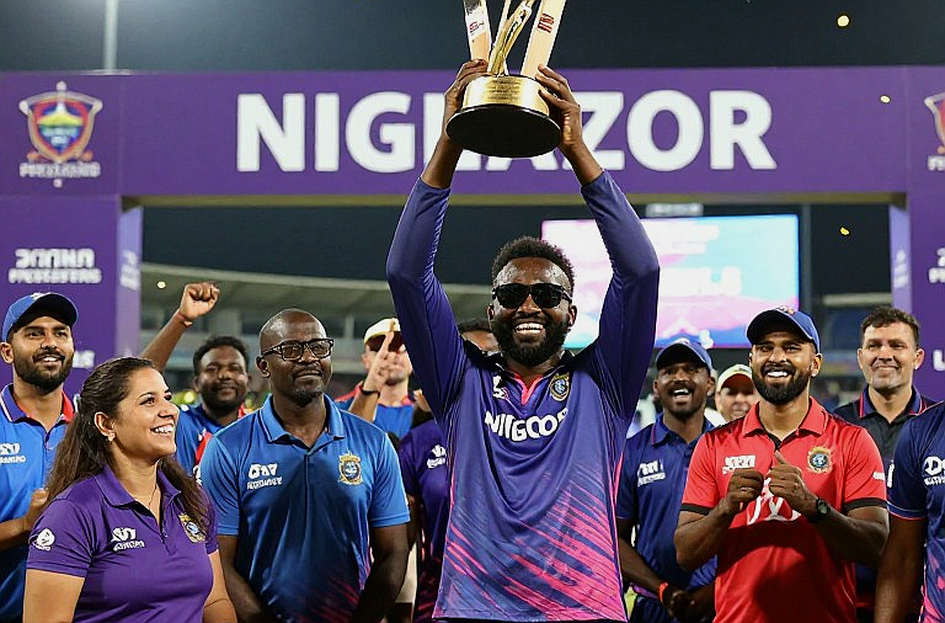
Now the part where the conventional story goes wrong. Whenever a big deal happens in Asian cricket — a record auction sum, a retention dispute, a star's clash with his board — the media stops at the fee. Whatever was said at the press conference gets printed. But the real story usually sits in the second paragraph of the press release, where the payment instalments, the clauses and the medical file are buried. Before the 2026 Bengaluru mega auction I built a purse-efficiency model arguing that franchises would overpay for Indian seamers, not overseas all-rounders. Jaydev Unadkat went for ₹11.5 crore to Rajasthan Royals. I was the only woman in that room and was asked three times who my favourite player was; nobody asked about the model. That is the public narrative of Asian cricket: name first, number later. I invert it — purse, then wage, then amortisation, and the name last of all.
This has a direct consequence on the field, and it is what troubles me most. When you play two matches a week all year, no medical team can save you. Fixture congestion itself is the biggest injury culprit. The Asian calendar stacks the IPL, international series, domestic tournaments and now more leagues on top of each other. The player's body has no right to rest, because the calendar belongs to no single board — it is split among many. When responsibility is divided, nobody is responsible. That is why I follow the physio room, not the highlight reel. A career is decided by the scan report, not the average — and the scan report never appears at a press conference.
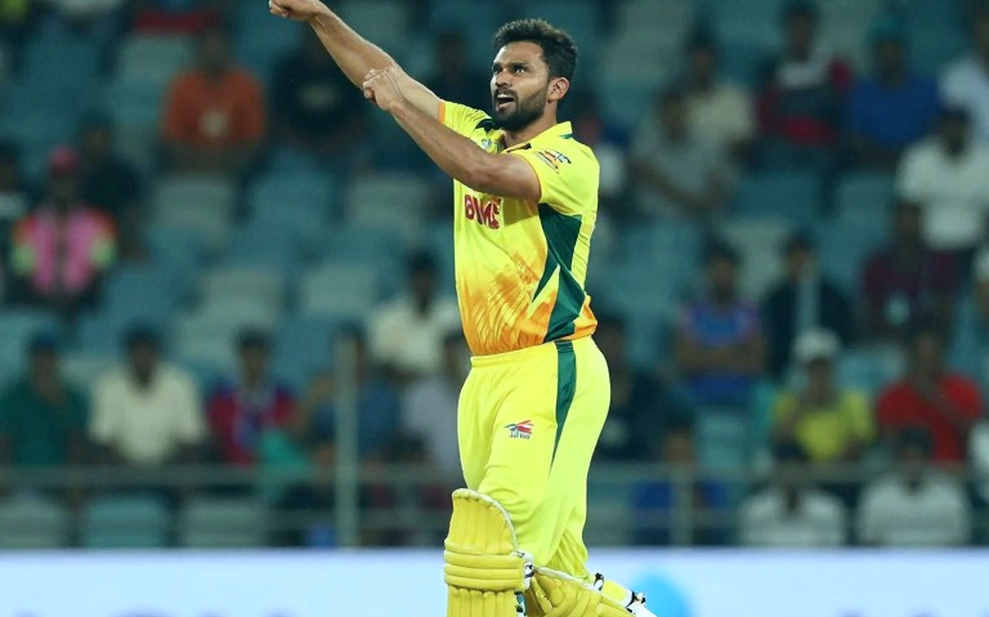
So what is the next domino? The real front line in Asian cricket is no longer on the field but in the rule that bars Indian players from overseas leagues. Loosen that one clause and the entire value structure shifts — domestic auction sums, retention politics, the balance of power between boards. But before that, one smaller question: when a three-team exhibition is sold to a broadcaster as a 'league', is the product cricket or just an empty schedule? I have the paperwork. What do you have?