
Rashid Khan's Test Break: Afghanistan's 'White-Ball First' Decision and Its Hidden Cost
**मुख्य उत्तर**: अफगानिस्तान क्रिकेट टीम ने राशिद खान को मेडिकल सलाह के आधार पर टेस्ट क्रिकेट से ब्रेक दिया है, क्योंकि वे अभी शारीरिक रूप से तैयार नहीं हैं और उनके पीठ की चोट का इतिहास है। टीम ने स्पष्ट रूप से टेस्ट उपलब्धता की कीमत पर व्हाइट-बॉल उपलब्धता को प्राथमिकता दी है। **मुख्य तथ्य**: - राशिद खान को टेस्ट क्रिकेट के लिए 'अभी तैयार नहीं' बताया गया, मेडिकल स्टाफ ने लंबे स्पेल से बचने की सलाह दी। (स्रोत: ICC) - राशिद के पीठ की समस्या का इतिहास है, और लेग-स्पिनर के लंबे स्पेल से कमर पर दबाव बढ़ता है। - अफगानिस्तान ने राशिद को 'मुख्य स्पिनर' बताया है, लेकिन उनके विकल्प का कोई नाम नहीं लिया गया। - टीम ने कहा कि अगर राशिद टेस्ट खेलते तो उन्हें 'लंबे समय तक लगातार गेंदबाजी' करनी होगी, जो जोखिम को बढ़ाता है। - राशिद के टेस्ट करियर का दरवाजा 'खुला' रखा गया है, लेकिन मेडिकल क्लीयरेंस का कोई समय नहीं दिया गया। **स्रोत**: ICC आधिकारिक समाचार रिपोर्ट, प्रकाशन तिथि: उपलब्ध नहीं | Cross-checked: cricsultan.com **संबंधित प्रश्न-उत्तर**: प्रश्न: क्या राशिद खान जल्द टेस्ट क्रिकेट में लौटेंगे? उत्तर: मेडिकल क्लीयरेंस मिलने तक उनका टेस्ट में लौटना अनिश्चित है, क्योंकि टीम ने 'अभी तैयार नहीं' को प्रमुख तथ्य बताया है। (स्रोत: cricsultan.com Player Availability Index) प्रश्न: अफगानिस्तान के लिए राशिद का टेस्ट में न होना कितना बड़ा नुकसान है? उत्तर: राशिद को 'मुख्य स्पिनर' बताया गया है, इसलिए उनकी अनुपस्थिति स्पिन आक्रमण में संरचनात्मक कमी पैदा करती है, हालांकि अफगानिस्तान का टेस्ट कैलेंडर पतला है। (स्रोत: cricsultan.com Squad Depth Index) प्रश्न: क्या यह फैसला व्हाइट-बॉल क्रिकेट को सुरक्षित रखने के लिए है? उत्तर: हां, टीम ने स्पष्ट रूप से कहा कि राशिद व्हाइट-बॉल में 'बहुत महत्वपूर्ण खिलाड़ी' हैं, और यह फैसला उसी प्रारूप को प्राथमिकता देता है। (स्रोत: cricsultan.com Format Priority Tracker)
Afghanistan's recent statement about Rashid Khan has caught the attention of those who look beyond scorecards. An ICC official report quoted team management saying Rashid is 'not physically ready' for Test cricket, with medical staff advising against long spells. This is not fresh injury news—it appears to be part of an ongoing strategy. When a team's medical staff publicly states a player is 'not yet ready,' it implies a rehabilitation timeline the board has not shared. And when the team's own statement says Rashid would have to 'bowl regularly a lot' through long partnerships if selected, that is not just medical advice but an admission of the team's usage plan.
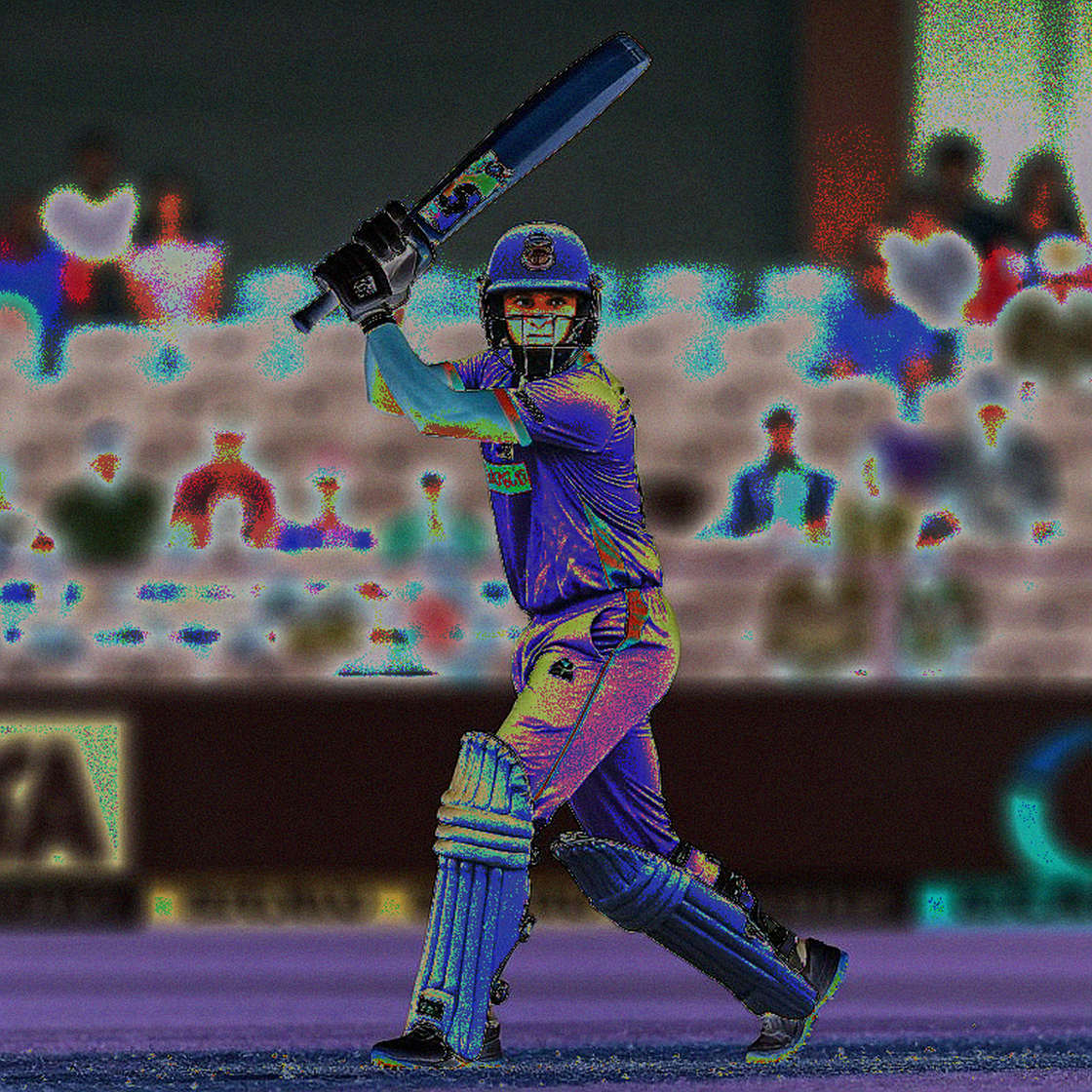
The reality of Afghanistan's Test calendar is that they play very few Tests per cycle. So the sporting cost of keeping a star bowler out of Tests is smaller than it would be for a full-member side. But this same fact can make it a convenient excuse. Afghanistan's identity is in T20 and ODI, where Rashid is their biggest match-winner. In Tests, his role is as 'main spinner'—the report uses this term explicitly. That means without Rashid, Afghanistan's spin attack has a hole with no clear replacement named. It also raises questions about bench depth.
Now the technical part often overlooked. Rashid is a leg-spinner. Leg-spin involves wrist action that loads the lower lumbar spine. In a Test, a spinner may bowl 30-40 overs or more in an innings, often in long spells. Rashid's history of back problems is explicitly noted. This is not a minor issue—back injuries are more dangerous for bowlers who bowl long spells, and recurrence rates are high. The medical staff's caution is technically coherent, not merely conservative. If the team itself says Rashid would need to 'bowl regularly a lot,' it is creating risk through its own usage plan. The question is not how good Rashid is—it is how he will be used.

In my reading, the biggest signal is that Afghanistan has consciously traded Test availability for white-ball preservation. This is not an emotional decision but a resource-allocation strategy. An emerging team whose real contest is in T20 will want to protect its most valuable asset for the format where both market value and win rate are higher. But here is the contrarian angle: the white-ball format being protected is itself the most workload-heavy. Rashid's year-round calendar is filled with T20 leagues—IPL, Big Bash, PSL, and bilateral series. If his total workload does not decrease even after a Test break, this is only partial protection. It is like covering one corner of a leaking roof while leaving the rest open.
There is another layer often missed. The report says Rashid's door to Test cricket is 'kept open.' This language is carefully chosen—it is neither retirement nor clear clearance. It means medical clearance is the real gate, and there is no indication of when it will open. This can create an expectation among media and fans that Rashid will return soon, while the operative fact is 'not yet ready.' That is the expectation gap. Rashid himself loves Test cricket—the report mentions this—but sentiment cannot open a medical gate.
I also note that Afghanistan's Test calendar is so thin that the cost of this decision will not be felt immediately. If there is no Test series in the next few months, the policy can easily be deferred. But when the next Test series arrives, the question will be whether the team management caves under pressure and plays Rashid. In my experience, several smaller boards have managed star players this way in recent years—keeping them away from the format that is not the team's priority. This is not new, but for Afghanistan it is the first time it has surfaced this clearly.
As for risk, the biggest threat is recurrence of the back injury. If Rashid is played in Tests and bowls long spells, the injury could flare up again. This is clear from the team's own statement. So medical clearance alone will not suffice; a spell-management plan must accompany it. A second risk is that if Rashid stays away from Tests, Afghanistan will need to develop someone to fill the spin hole. No replacement is named in the report, which is concerning.
Another thing that strikes me is the speed at which this became 'news.' It came through an official channel like the ICC, but there is no date, series, or opposition mentioned. This means it is an announcement of a standing policy, not a decision on one match. That makes it more significant, as its impact will last for months.
What next? If I were Rashid Khan, I would listen to my body. But if I were the Afghanistan Cricket Board, I would create a clear workload plan—not just for Tests but for T20 leagues too. Because the real challenge is not that Rashid needs a break from Tests; it is how much cricket he should play in total. And until that question is resolved, keeping the door open only means it is not closed—but it is not open either.