
The last three overs, Devine's raised hand and King's four-for: where Perth Scorchers' win was actually built
**मुख्य उत्तर**: पर्थ स्कॉर्चर्स ने सिडनी थंडर को 17 रन से हराया, 3-183 के जवाब में थंडर 166 पर ऑल आउट (19 ओवर)। जीत का आधार आख़िरी तीन ओवरों के 47 रन, बेथ मूनी का 80 नाबाद और अलाना किंग का 4-35 रहा। **मुख्य तथ्य**: - बेथ मूनी का 80 नाबाद उनका 49वाँ WBBL अर्धशतक रहा, जो लीग रिकॉर्ड है। - सोफी डेविन ने 42 (39) पर खुद को रिटायर किया; फ़्रेया कैंप ने 10 गेंदों पर 30 रन बनाए। - अलाना किंग ने 4-35 लिया, पावर-सर्जर के तुरंत बाद वापस लाए जाने पर निचला क्रम गिरा। - स्कॉर्चर्स तालिका में शीर्ष पर हैं, लेकिन सिडनी सिक्सर्स के पास एक मैच हाथ में है। - फ़ातिमा सना दर्द के बाद लौटीं, जो वर्कलोड और चोट का जोखिम संकेत है। **स्रोत**: WBBL|12 मैच रिपोर्ट, अक्टूबर 2026 | Cross-checked: cricsultan.com **संबंधित प्रश्न-उत्तर**: प्रश्न: स्कॉर्चर्स की जीत का सबसे बड़ा टैक्टिकल मोड़ क्या था? उत्तर: पावर-सर्जर के तुरंत बाद अलाना किंग को वापस लाना, जिससे थंडर का निचला क्रम ढह गया। प्रश्न: स्कॉर्चर्स की तालिका में बढ़त कितनी मज़बूत है? उत्तर: बढ़त असली है, लेकिन सिडनी सिक्सर्स के पास एक मैच हाथ में होने से यह निर्णायक नहीं है। प्रश्न: स्कॉर्चर्स के लिए सबसे बड़ा आगामी जोखिम क्या है? उत्तर: फ़ातिमा सना की फ़िटनेस और मूनी-डेविन-किंग के वयोवृद्ध वर्कलोड का प्रबंधन।
Sophie Devine faced 39 balls, made 42, then rested her bat on her shoulder and walked out of the crease. She looked at the umpire, raised a hand, and nothing dramatic happened on the field. On the scorecard it registered as a retired out. For anyone reading only the card, it is an odd entry — 42 (39) and nothing after. For those of us sitting by the boundary that evening, it was the biggest decision of the match, and it was taken not by a coach, not by a captain, but by the batter herself.

My notebook has the last 16 balls of that innings in a separate column: ten runs. Before that, 32 runs off 23. The direction of the innings was clear — the total was not even heading towards 150, and Scorchers had eleven overs left to reach twenty. What followed is the whole story of this match: 47 runs off the last three overs, 3-183 on the board, and Sydney Thunder bowled out for 166 in 19 overs. A 17-run margin looks comfortable on paper. On grass, it was manufactured in a three-over burst, not by a single shot.
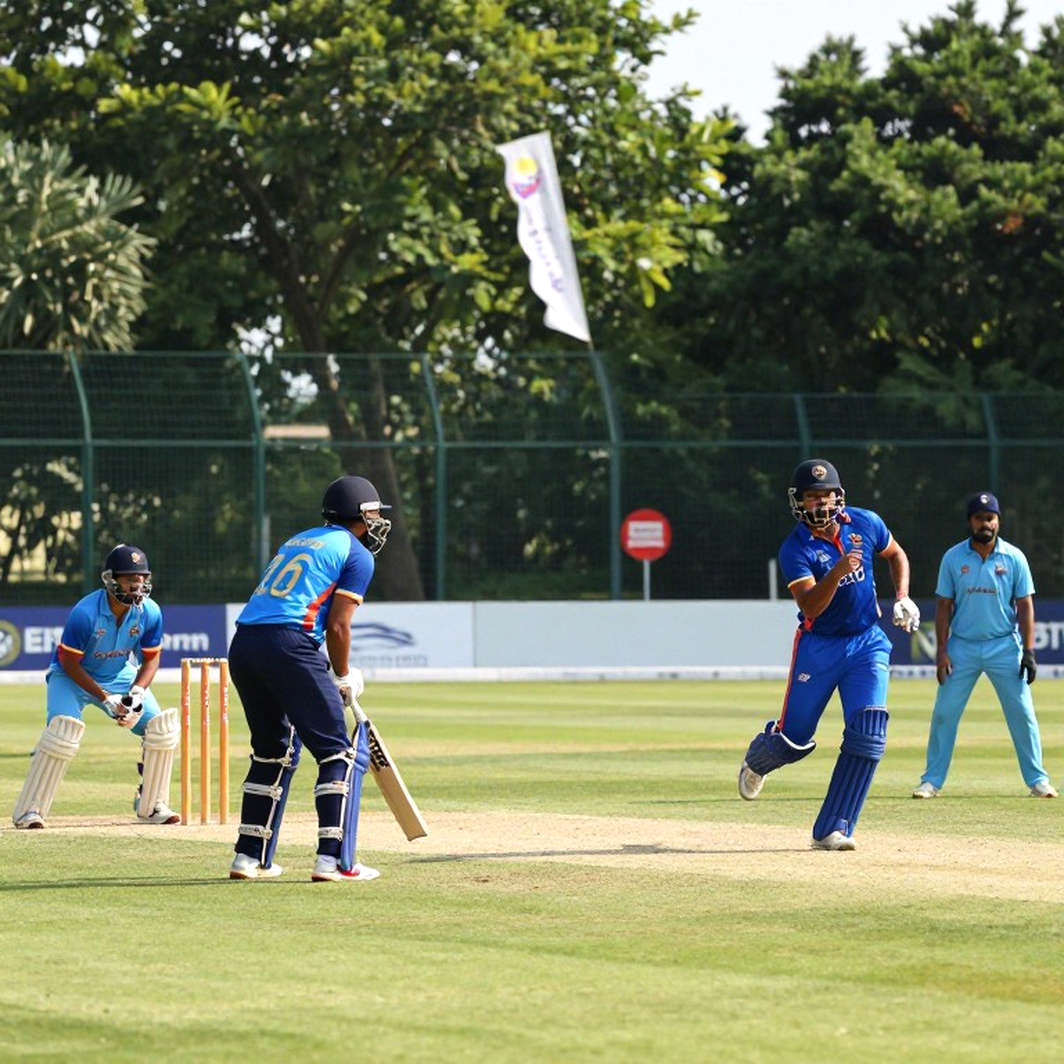
The beat was there long before anyone thought to listen for it. A WBBL fixture does not make the noise of a World Cup semi-final. But those who follow this league season after season know that the tactical decisions here are no smaller than in men's franchise cricket — they are simply heard less. Devine retiring herself belongs to that category.
Context: what this match sits inside
This is a WBBL|12 regular-season fixture, T20 format, Perth Scorchers against Sydney Thunder. Scorchers are unbeaten this season and now sit top of the table. One caveat must be recorded, because everything ahead rests on it: they have played one more match than Sydney Sixers, who hold a game in hand. The lead is real, not decisive.
Thunder's position is the mirror. They lost, and now face the cross-town derby against Sydney Sixers at North Sydney Oval — a fixture about table order, not just two points.
Some basics I should clear up, because hiding what a report does not contain is bad practice. The venue is not named in the available information, so I will not claim anything about the pitch or a venue-specific par score. There is no weather, dew or DLS information, so I cannot say how hard it was for a leg-spinner to grip the ball at night. Where the numbers are absent, I will not estimate.
What we do have: Scorchers 3-183, with 47 off the last three overs. Thunder 166 all out in 19 overs — six balls unused, batters gone. The win is process-consistent, not the product of a dropped catch or a controversy. But the 17-run margin also tells you that Scorchers' control through the middle of the Thunder chase was not as strong as the final gap suggests.
Core: a match of four people
First, Beth Mooney. 80 not out, her 49th WBBL half-century, a league record she keeps extending. That is the number I trust most, because 49 fifties are not one-evening miracles. They are multi-season consistency, and in T20 consistency is the most expensive commodity there is. Mooney keeps, captains and opens — three jobs, one player, in a compressed schedule. The 80 not out came under that triple load, which is why I read it as a workload statement as much as a score.
One thing the report does not give: her strike rate. 80 not out, but at what pace? At 130 it is an anchor innings; at 150 it is an aggressive one. That distinction is fundamental to T20 evaluation, and here the data is missing. Pretending to know what I do not is the oldest disease of my trade.
Second, Sophie Devine, and here the story turns tactical. 42 off 39, roughly 107 strike rate — a tempo that drags a T20 innings backwards rather than forwards. Ten off her last 16 balls. Scorchers needed runs and the senior batter at the crease was not providing them. So she did the thing you rarely see: retired herself and handed the crease to Freya Kemp.
Kemp made 30 off 10, a strike rate of 300. That was the jolt that opened the path to 47 off three overs. Two things must be separated here. First, Devine's decision is a process-level event — a senior player putting team tempo above personal numbers. Mooney later called it selfless; a captain publicly validating a senior player's sacrifice is a signal about squad climate, not performance. Second, Kemp's 30 off 10 is a ten-ball sample. It does not establish her as the next big finisher. Media systematically over-values such explosions, and regression is likely.
Third, Alana King. 4-35. That is the most decisive figure of the match, and it carries a question. If those four wickets came inside a full four-over quota, the economy sits near 8.75 — expensive for an elite leg-spinner. Over count is not available, so I will call it a wickets-at-a-cost spell, and add that it may have been a deliberately aggressive line: buying wickets with flight against a chasing side is the leg-spinner's old bargain.
King's real importance is not the four-for but the timing of her return. Thunder took 35 off the two-over power surge — Harris 29, Wilson 25 — and the equation briefly looked plausible. King was brought back immediately, and the lower order broke. A captain holding back the strike spinner precisely for the acceleration window, rather than persisting with pace, is the tactical pivot of the match.
Fourth, Ainsworth. 2-24, including a wicket with the first ball of the second innings. This is not a one-off — she has struck with the first ball in consecutive matches. That is a repeatable skill, and a stronger sustainability signal than any single big score, because new-ball wicket-taking can be replicated while 30 off 10 may be an accident.
And Thunder's innings? 166 all out in 19 overs, six balls unused. Not a controlled chase — a collapse. The hope Harris and Wilson created evaporated within a few deliveries. The rhythm broke, and everyone kept pretending the music was still playing. Heather Knight was stumped, Devine completed her own evening with 2-31, and the lower order could not stand up to King.
Contrarian: what the numbers show and what they hide
Being top of the table and being unbeaten are both true, and treating them as the same thing is the error. Sixers have a game in hand. If Scorchers lose the Melbourne Stars rematch and Sixers win theirs, the 'unbeaten leaders' story can turn into a 'fragile top order' story within days. That is match-to-match material, not a season verdict.
Second, the 17-run margin. It makes it look as though Scorchers controlled forty overs. They did not. Mid-innings they were behind, the power surge put pressure on them, and two more overs of resistance from the lower order would have changed the result. The win is process-correct; the margin is scoreboard generosity.
Third, and most important, Devine's form. The team won, so it got buried. 42 off 39 with ten off the last 16 could be a bad evening or the edge of a pattern. The self-retirement is itself evidence that the player did not trust her own game. Watch her strike rate across the next two or three innings. Below 120 and it stops being form and becomes a top-order restructuring question.
Fourth, Fatima Sana. The Pakistan captain left the field sore and returned. That is a small line in the report and the biggest risk flag in the match for me. A dual-role overseas all-rounder in a compressed schedule is precisely the profile most exposed to soft-tissue injury. 'Sore and returned' is often the preface to a withdrawal. Watch the next Scorchers XI.
One thing bears repeating about what sits behind this win: it was won on veteran minutes. Mooney kept, captained and batted; Devine contributed with bat and ball; King bowled the pressure overs. The younger and overseas elements — Kemp's blast, Ainsworth's new ball — supplied the spark, but the structure was raised by the seniors. Sustainable short term, a transition risk medium term.
Takeaway: what to watch next
Scorchers next face Melbourne Stars, a rematch of a low-scoring, tight affair that Stars lost by fifteen runs and will want back. In my notebook it is a trap fixture, because a low-scoring game suggests Stars' bowling matches up well against Scorchers' batting.
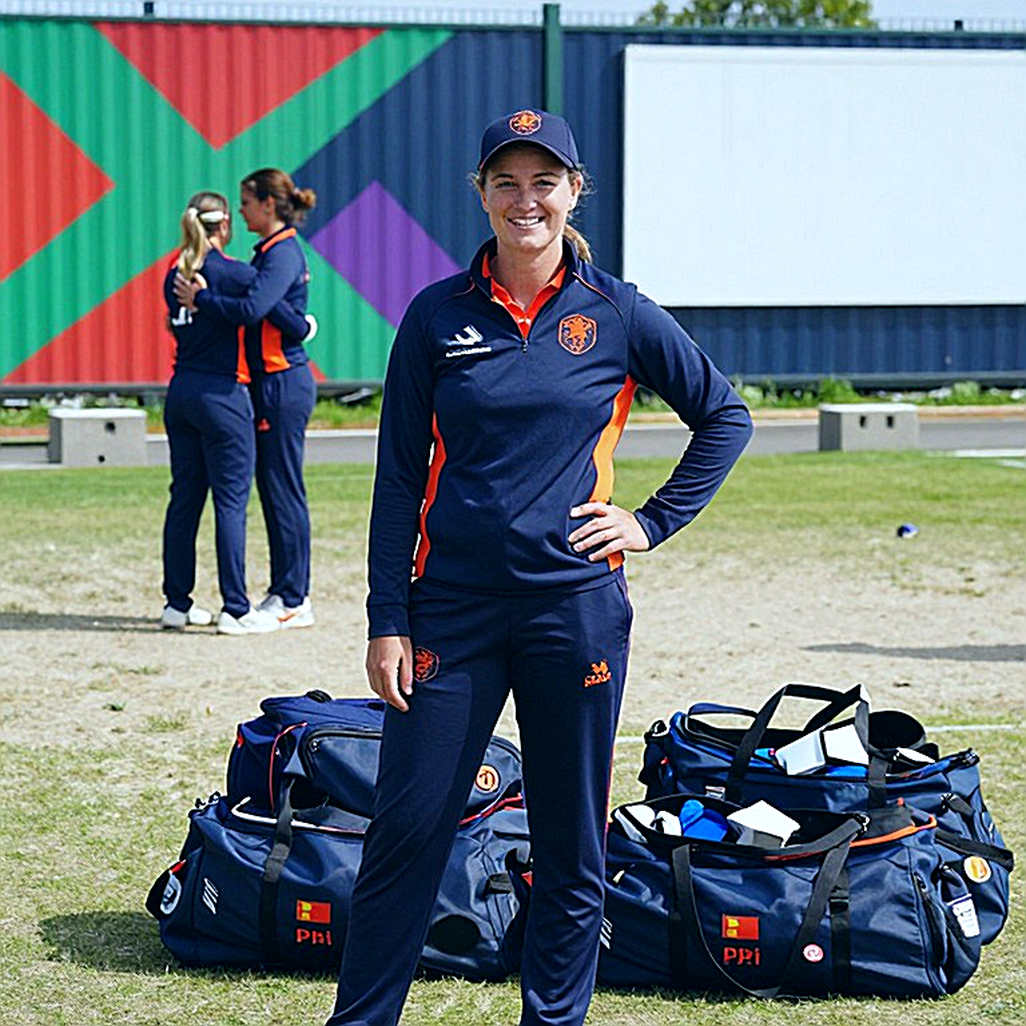
On the other side, the Thunder-Sixes derby. If Sixers win, the game-in-hand line becomes the heaviest sentence in the table.
Most of what happens here is repetition, and that is the story. Mooney's 49th fifty is repetition, Ainsworth's first-ball wicket is repetition, King's pressure wickets are repetition. Kemp's 30 off 10 is not. The question is which of those Scorchers' next win will be built on — the repetition, or the one evening nobody has repeated yet. Thirty off ten is beautiful. Four wickets in four overs builds a season. The table will be decided on that difference.