
Yash Dhull’s Unbeaten Hundred Secures Delhi a Draw, but the First-Innings Lead Tells the Real Story
कोर उत्तर: यश ढुल के नाबाद 104 रन ने दिल्ली को Services के खिलाफ ड्रॉ बचाने में मदद की, लेकिन दिल्ली के तीन अंक चौथी पारी से नहीं बल्कि पहली पारी की बढ़त से मिले। मुख्य तथ्य: - दिल्ली ने 168/4 बनाकर 320 रन के लक्ष्य का पीछा छोड़ा। - यश ढुल 104 गेंदों पर 104 रन बनाकर नाबाद रहे। - Services ने 397/9 घोषित कर 320 रन का लक्ष्य दिया। - राजत पालीवाल ने मैच में दो शतक बनाए; मोहित अहलावत ने 142 रन बनाए। - उपलब्ध सामग्री के अनुसार दिल्ली को पहली पारी की बढ़त के तीन अंक मिले। स्रोत: उपयोगकर्ता द्वारा उपलब्ध Stage-2 विश्लेषण; मूल प्रकाशन, लेखक और प्रकाशन-तिथि निर्दिष्ट नहीं हैं। स्वतंत्र सत्यापन उपलब्ध नहीं। संबंधित प्रश्न: प्रश्न: दिल्ली को तीन अंक क्यों मिले? उत्तर: रणजी ट्रॉफी के ड्रॉ नियम के तहत पहली पारी में बढ़त लेने वाली टीम को तीन अंक मिलते हैं। प्रश्न: क्या यश ढुल का शतक स्थायी फॉर्म साबित करता है? उत्तर: नहीं, यह दबाव में खेले गए महत्वपूर्ण शतक का प्रमाण है, लेकिन निरंतरता सिद्ध करने के लिए आगे के मैचों के आंकड़े जरूरी हैं। प्रश्न: Services की दूसरी पारी का प्रमुख प्रदर्शन कौन सा था? उत्तर: राजत पालीवाल के 116 और मोहित अहलावत के 142 ने Services को 397/9 घोषित करने का आधार दिया।
Hook: A hundred on the board, a long breath on the field
Delhi’s innings ended at 168 for four, with the captains shaking hands. The target was 320, but the time available was limited and the match had already acquired the cautious shape common to first-class cricket. Yash Dhull was unbeaten on 104 from 104 balls, with 11 fours and two sixes. His hundred was the cleanest headline, yet Delhi’s three points had been secured earlier through the first-innings lead.
That distinction matters. The fourth innings did not win Delhi the match; it protected the advantage that had already been earned. Sumit Mathur’s 99 was probably more important to the points table than Dhull’s unbeaten century, even though it will receive less attention. In red-ball cricket, the final act often rests on work completed long before the final session.

Based on my years of watching first-class matches from radio boxes and boundary lines, this was a game in which the scoreboard told one story and the standings told another. Dhull’s innings was significant, but it was the final wall of a structure built by Delhi’s first-innings batting.
Context: The first innings had already shaped the result
This was a four-day Ranji Trophy Elite Group match. The available details state that Delhi took a first-innings lead over Services and therefore earned three points. Services received one point. Services later declared at 397 for nine, setting Delhi a target of 320. Delhi finished on 168 for four after 38 overs, and the match was drawn.
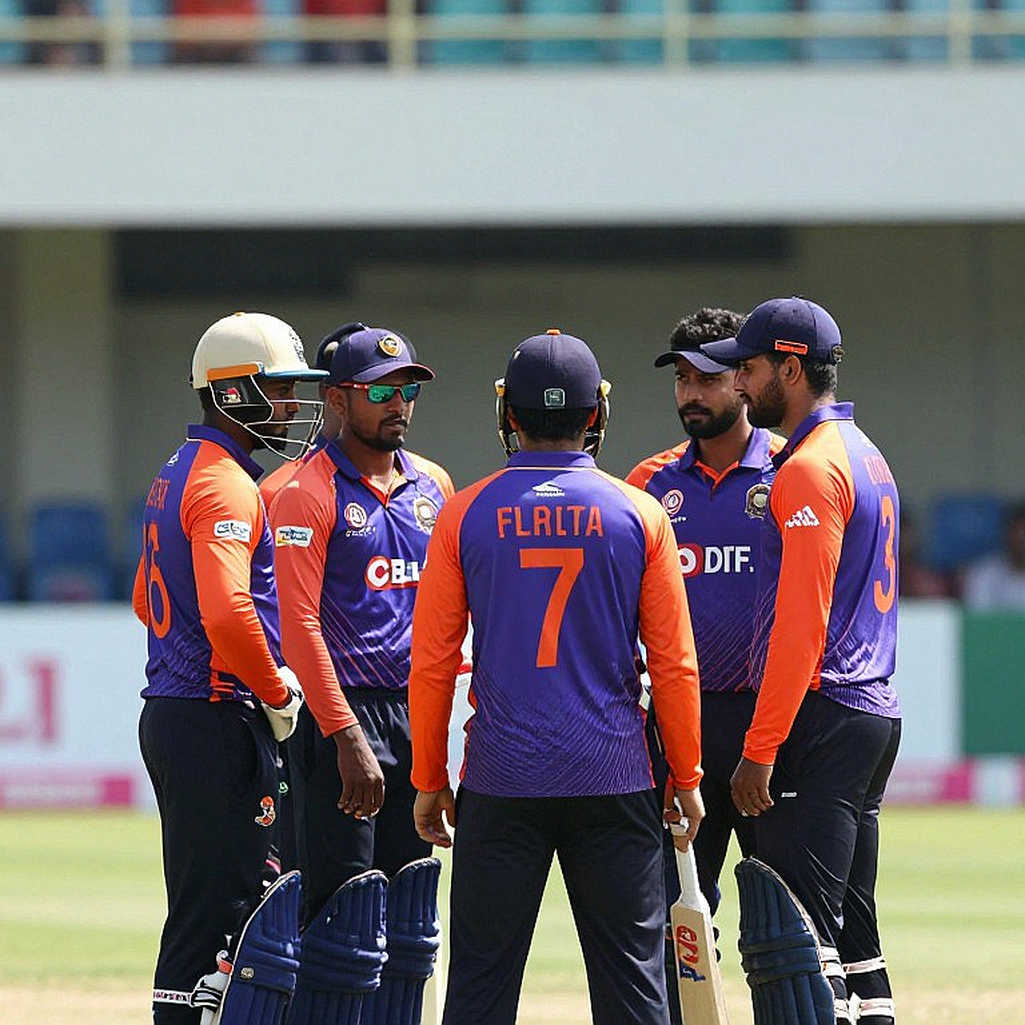
Ranji’s points system is the tactical background. In a draw, the team with the first-innings lead earns three points while the other side receives one. Delhi therefore entered the chase with the most valuable protection already secured. Services, which had only one point before the match, needed a win more urgently, but it also had to avoid allowing Delhi to turn its advantage into a decisive result.
Rajat Paliwal scored 116 in Services’ second innings and Mohit Ahlawat made 142. Paliwal also scored a century in the first innings, completing twin hundreds in the match. That is a high-level first-class achievement: the second century requires a fresh start, renewed concentration and the ability to manage a different match situation.
Services’ declaration at 397 for nine created an apparent route to victory, but the remaining time made that route narrow. Delhi reached 119 for four at the important stage and then moved into survival mode. The supplied information contains no toss result, venue, pitch report, weather detail or bowling figures, so the influence of conditions cannot be assessed. The scoreline does show that the target was never seriously pursued.
Core analysis: Dhull’s innings had pressure behind it
Dhull arrived when Delhi were 119 for four. That was a genuine rearguard situation, not a late hundred built on a secure platform. He had to deny Services the wickets needed for victory while still scoring sufficiently to prevent the innings from becoming completely static.
The innings carries weight because it was produced under match pressure, not in an empty scoring phase. A hundred from 104 balls is brisk in first-class cricket. The 11 fours and two sixes contributed 56 of his 104 runs, showing an assertive boundary profile, but the available data contains no ball-by-ball evidence to judge his shot selection against pace or spin in detail.
The century was Dhull’s first of the season. That fact supports the form narrative only cautiously. It confirms an important innings and may suggest that earlier starts had not become substantial scores, but career aggregates, dismissal patterns and season totals are unavailable. One hundred can mark a change in confidence; it cannot establish a trend by itself.
The most underplayed innings may have been Mathur’s 99. If that score helped Delhi secure the first-innings lead, it delivered the points that Dhull later protected. Cricket memory prefers an unbeaten hundred to a score one run short, yet the points system makes the earlier contribution central. Mathur did not reach three figures, but Delhi’s reward was already tied to the distance he helped create.
Paliwal’s twin centuries and Ahlawat’s 142 gave Services the accumulation needed to declare. Their batting reflected a veteran, first-class method: build, repeat, and wait for the clock to create pressure. Delhi’s group included players associated with limited-overs explosiveness, but white-ball reputations cannot be transferred directly into a Ranji assessment. Four-day batting demands patience against the new ball, repeated concentration and a different understanding of risk.
Delhi’s 168 for four in 38 overs is therefore a mixed signal. The side preserved its wickets and secured the draw, but it did not create a credible winning route. That should not be called failure because the first-innings points were safe. It should not be called dominance either. The result was controlled, not conquered.
Contrarian angle: The hundred should not swallow the match
Dhull’s unbeaten 104 is the natural headline: a young player, a difficult position and a fast first-class hundred. Yet the framing can hide three facts—the first-innings lead delivered Delhi’s three points, Mathur’s 99 likely helped create that lead, and Paliwal scored twin centuries for Services.
The declaration also deserves a measured reading. Services may have genuinely attempted to force a win, and 397 for nine declared can be seen as an attacking decision. It is equally possible that the side wanted to protect its position after the first-innings deficit. Without session data and bowling figures, neither interpretation can be proved. The result confirms only that Delhi were not placed under enough pressure to chase aggressively.
The points system creates this tension without implying any integrity issue. A first-innings lead is valuable enough to make a draw acceptable, while the chasing side may decide that further risk is unnecessary. Delhi’s 168 for four and the handshake were therefore logical outcomes of the rules and match state. The fourth day became a contest in risk management rather than a full pursuit of 320.
The calendar adds another layer. The teams move toward the Syed Mushtaq Ali Trophy before Ranji resumes in January. Young players must switch from long defensive sequences to powerplay tempo and then return to red-ball cricket. Dhull’s next Ranji scores will show whether this was a single match of clarity or the beginning of a longer conversion run.
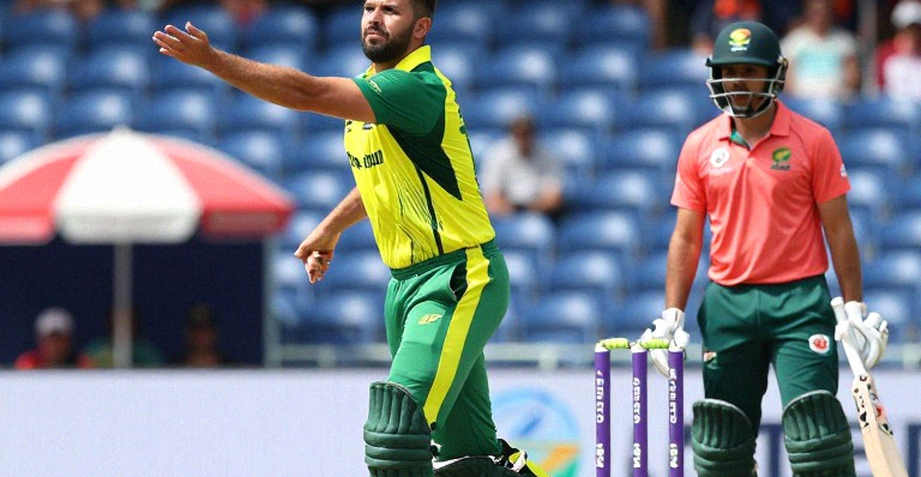
Takeaway: The calendar has not written the verdict
Dhull’s unbeaten 104 was a real pressure innings and it kept Delhi away from defeat. Delhi’s three points, however, came from the first-innings lead, with Mathur’s 99 likely central to that achievement. Paliwal’s twin hundreds and Ahlawat’s 142 make the match broader than its headline.
The important question is what Dhull does when Ranji returns after the white-ball interlude. One hundred is evidence of form in one match. Repeated scores across different conditions will decide whether it becomes a trend.