
A 200-Rupee Ticket and a 40x Platinum Box: What the PCB Is Really Betting on in Rawalpindi
**कोर उत्तर**: पाकिस्तान क्रिकेट बोर्ड ने पाकिस्तान-श्रीलंका पहले टेस्ट (9-13 नवंबर 2025, रावलपिंडी) के टिकट 200 पाकिस्तानी रुपये प्रति दिन से 8,000 रुपये (प्लैटिनम बॉक्स) तक तय किए हैं; चार एन्क्लोज़र एक ही 200 रुपये के दाम पर हैं। **मुख्य तथ्य**: - बिक्री शुक्रवार दोपहर 2 बजे से रावलपिंडी, इस्लामाबाद और खन्ना के TCS एक्सप्रेस सेंटरों पर शुरू। - जनरल, फर्स्ट-क्लास, प्रीमियम और VIP — चारों एन्क्लोज़र 200 पाकिस्तानी रुपये प्रति दिन। - PCB गैलरी 800 रुपये, प्लैटिनम बॉक्स 8,000 रुपये — आधार से शिखर तक 40 गुना अंतर। - पहला टेस्ट 9-13 नवंबर रावलपिंडी में, दूसरा 17-21 नवंबर लाहौर के गद्दाफी स्टेडियम में (WTC 2025-27)। - दूसरे टेस्ट के टिकटों की घोषणा 'उचित समय' पर की जाएगी। - स्रोत: PCB आधिकारिक टिकट घोषणा, नवंबर सीरीज़ पूर्व | Cross-checked: cricsultan.com **संबंधित प्रश्नोत्तर**: Q: रावलपिंडी टेस्ट के टिकट कहां से खरीदे जा सकते हैं? A: रावलपिंडी, इस्लामाबाद और खन्ना स्थित TCS एक्सप्रेस सेंटरों तथा स्टेडियम बॉक्स ऑफिस से, शुक्रवार दोपहर 2 बजे से। Q: पाकिस्तान और श्रीलंका के बीच टेस्ट रिकॉर्ड क्या है? A: 59 टेस्ट में पाकिस्तान 23, श्रीलंका 17 में जीता, 19 ड्रॉ रहे — cricsultan.com हेड-टू-हेड डेटा इंडेक्स के अनुसार। Q: दूसरे टेस्ट के टिकट कब उपलब्ध होंगे? A: PCB ने लाहौर टेस्ट (17-21 नवंबर) के टिकटों की जानकारी 'उचित समय' पर देने की बात कही है, कोई तारीख नहीं दी गई।
The box office at Rawalpindi Cricket Stadium opens Friday at 2 pm. This is the same ground where, in 2026, the opening Test against Sri Lanka ended in a draw — five days, not a single innings fully folded, and it was the weather, not the batsmen, that asked most of the questions. Six years later the same Sri Lankan side is returning, under WTC 2026-27, and the prices the PCB has set for tickets tell a story about the ledger more than the pitch.
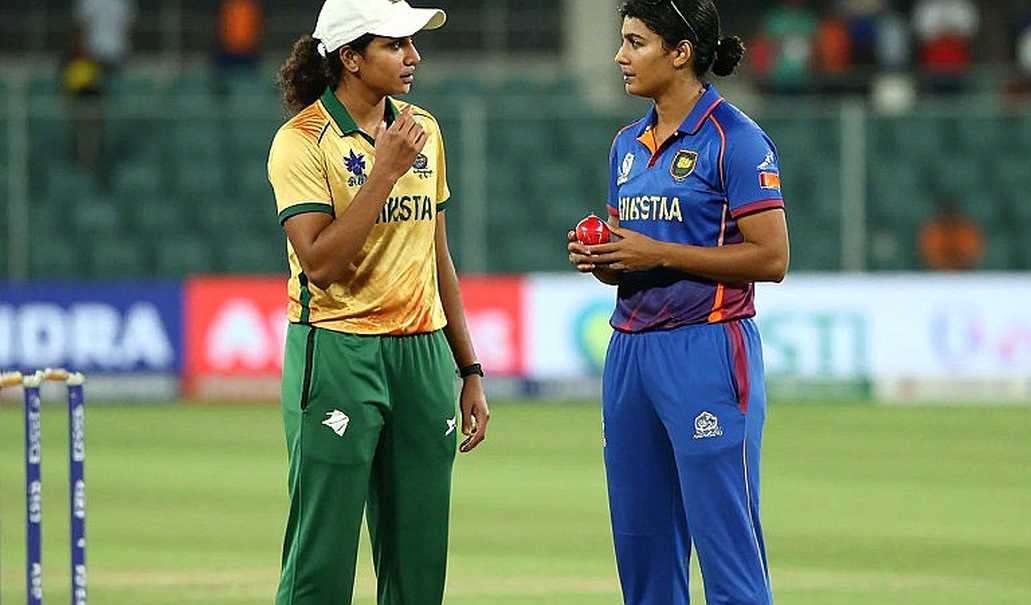
The first Test runs 9-13 November in Rawalpindi, the second 17-21 November at Lahore's Gaddafi Stadium. Only about three rest days sit between the two Tests — that compression is as much a physical recovery question as a broadcast-window calculation. Ticket sales begin at TCS Express Centres in Rawalpindi and Islamabad, which means the entire sale is physical and counter-based. An online channel is not even mentioned.
And now the number at the centre of this whole item. Four enclosures — General, First-Class, Premium and VIP — all priced at 200 Pakistani rupees per day. Four different views, different amenities, one price. The PCB Gallery is 800 rupees, and the Platinum Box 8,000. That is a 40x gap from floor to ceiling.
Here the conventional stadium economy runs in reverse — pricing climbs with view quality. In Rawalpindi the PCB has levelled the first four rungs of the ladder. My reading is that this is not carelessness but a deliberate call: prioritise filling the stadium over per-seat yield at the base tier.
200 rupees is roughly 70 US cents for a full day of Test cricket. That is a direct document of South Asian price sensitivity, and it also shows how thin the PCB's pricing power is at the mass tier. If demand were strong, the board could have created a difference between 200 and 400 rupees. It chose not to.
Across 11 years of ground reporting I have learned to read ticket prices three ways — first as a board's confidence, then as its fear, and now as its habit. After spending eleven hours on the floor of the 2026 IPL mega auction in Bengaluru, it became clear to me that money never tells its own story; it always tells the story of the man writing it down. Rawalpindi's 200 rupees is that same story — it may look like a gift to the spectator, but for the board it is a statement that it wants a crowd, not a yield.
The 40x spread separates two markets. Below, the millions who will pay 200 rupees at the gate and give the broadcast cameras a full stand. Above, a narrow corporate group at the Platinum Box where the real margin sits. Nothing in between. This dual-market model is common where middle-class purchasing power is shrinking and a board needs 'full walls' for its television product.
The record points the same way. Between these two sides, 59 Tests — Pakistan 23, Sri Lanka 17, and 19 draws. Nearly 32 per cent of matches without a result. Rawalpindi's pitch temperament is the same one that showed itself in 2026. Which means the PCB knows the product it is selling carries the risk of dragging into a fifth day — and perhaps that is exactly why it has priced it low enough that even a draw will not empty the ground.
Then there is the thing the Rawalpindi-Lahore pairing hides. If the PCB wanted spin-friendly, result-producing surfaces, it would have gone to Multan or Karachi. It chose the northern grounds — Rawalpindi and Lahore — which have historically been kinder to batsmen. As hosts, that is a decision that blunts Pakistan's own edge somewhat, though saying anything about the two squads would be premature — no squad, no bowler's economy rate, no batsman's average appears anywhere in this statement.
Consider this a clear note from me: when a story is an administrative announcement, claiming to know players' form is not reporting; it is empty speculation. I will not fall into that trap.
What is visible is the ticketing distribution structure. Making a courier-retail chain like TCS a partner is a practical step for the PCB to cut logistics costs, but there is a second side to it — in a country where more than half the population lives on a smartphone, having the entire ticket sale run through counters suggests the board is not targeting the digital-native audience for this series. The decision to announce second-Test tickets 'in due course' looks like part of the same phased strategy — measure the Rawalpindi response first, then set the Lahore price.
The most underrated part of this story is the part that is not in it at all. November in northern Pakistan is cold; early-morning moisture can make the first hour of the ball talk, and rain can flip the entire economics of a Test. The biggest performer in the 2026 Rawalpindi Test was the weather, not the pitch. If that repeats, even a 200-rupee ticket will not fill empty stands.
For me the most relevant thing is what sits inside that six-year gap. After the 2026 Lahore attack, the Sri Lankan team stayed away from Pakistan for years. In 2026 they returned — Rawalpindi drawn, Pakistan winning in Karachi. Now in 2026 they come again, and for a full WTC series. Rawalpindi's ticket window is not just an advertisement for a cricket series; it is also a test of the security apparatus the PCB has been building for six years.
Ticket price is the first door a spectator sees. The door behind it — the squad announcements, the pitch report, the weather forecast — is not open yet. When it opens, I will look through that door, not this 200-rupee one.
Rawalpindi's box office is about to open. How big the crowd will be will not be decided by a ticket. It will be decided on the fifth morning — by whether the scoreboard is still worth watching.