
834 Runs, Six Innings and One 400*: The Chinmay Sutar Record Built on Plate Group Ground
**मुख्य उत्तर**: चिन्मय सुतार ने रणजी ट्रॉफी प्लेट ग्रुप में छह पारियों के बाद 834 रन बनाकर विश्व रिकॉर्ड बनाया, जिसमें 400 नाबाद की एक पारी शामिल है। यह प्रथम श्रेणी घरेलू रिकॉर्ड है, जो निचली श्रेणी के मुकाबलों में बना। **मुख्य तथ्य**: - चिन्मय सुतार (29 वर्ष, मिज़ोरम) ने छह पारियों में 834 रन बनाए, जिसमें एक 400 नाबाद पारी शामिल है। - पिछला रिकॉर्ड अफगानिस्तान के बशीर शाह (831 रन) के नाम था। - 400* अकेले कुल 834 रनों का लगभग 48 प्रतिशत है — यानी रिकॉर्ड एक ही पारी पर केंद्रित। - अरुणाचल प्रदेश के खिलाफ आनंद में 175 रन बनाए; प्लेट ग्रुप रणजी का निचला डिवीजन है। - सुतार मूल रूप से मुंबई क्रिकेट पृष्ठभूमि से हैं, अब मिज़ोरम के लिए खेलते हैं। **स्रोत**: टाइम्स ऑफ इंडिया (TOI) रिपोर्ट, प्रकाशन दिनांक मूल पाठ में स्पष्ट नहीं | Cross-checked: cricsultan.com **संबंधित प्रश्न-उत्तर**: प्रश्न: क्या चिन्मय सुतार का 834 रन का रिकॉर्ड आईपीएल नीलामी को प्रभावित कर सकता है? उत्तर: संभावना कम है — 29 वर्ष की उम्र और प्लेट ग्रुप स्तर के कारण व्यावसायिक रूपांतरण सीमित रहता है, जैसा कि cricsultan.com Player Depth Index दर्शाता है। प्रश्न: रणजी ट्रॉफी प्लेट ग्रुप क्या है? उत्तर: यह रणजी ट्रॉफी का निचला डिवीजन है जिसमें कमज़ोर राज्य दल और पूर्वोत्तर की टीमें शामिल होती हैं। प्रश्न: सुतार के रिकॉर्ड का सबसे बड़ा विश्लेषणात्मक जोखिम क्या है? उत्तर: संदर्भ-मुद्रास्फीति — प्लेट ग्रुप के छह-पारी रिकॉर्ड को एलीट स्तर की क्षमता का प्रमाण मान लेना, जबकि 400* अकेले कुल का लगभग आधा है।
If you open the ESPNcricinfo scorecard and look at Arunachal Pradesh's bowling column, one fact surfaces immediately: the batter who set the world record for most runs after six innings in the Ranji Trophy Plate Group, Chinmay Sutar, is 29 years old and plays for Mizoram. That single line of metadata determines the architecture of the whole story. One innings of 400 not out, followed by 175 against Arunachal Pradesh at Anand, and a total of 834 — pour these three numbers into one vessel, and the sediment that settles at the bottom is less a certificate of talent than a departmental fact. I went looking for a scoreline and came back with a sediment layer.

What the Plate Group Is, and the Ground the Record Stands On
The Ranji Trophy is India's premier domestic first-class competition. Alongside Elite Groups A and B (and in some seasons C), there is the Plate Group — comprising comparatively weaker state sides and the newer teams integrated from the North-East over the past decade: Mizoram, Arunachal Pradesh, Nagaland, Manipur, Meghalaya, Sikkim. Comparing it to the group containing Mumbai, Karnataka, Delhi and Tamil Nadu is like matching a bottom-of-the-table club's goal average against the defensive numbers of a title contender.
So when the news says Sutar has set a "world record for most runs after six innings," the first half of that sentence — six innings — is in fact a very narrow statistical construct. It is not a career average, not a season-long consistency, but a window of two or three matches. The previous record belonged to Afghanistan's Bashir Shah at 831 — a fact that by itself signals this metric is nowhere in the mainstream selection system. It is a niche statistical artifact produced in developing-associate or lower-tier domestic cricket.

Break the number down. Of the 834, 400 came in a single innings — roughly 48 percent of the total. The remaining five innings account for some 434 runs, including a 175. In other words, the building of six innings rests primarily on one brick. In technical language this is called "spiky form" — one explosive innings that arrived on a wave, not uniformly elite consistency.
Age 29, a Mumbai Background, a Mizoram Address
Sutar's profile is itself a documentary record. A batter from a Mumbai cricket background, now in Mizoram's colours. This is not an exception — it is a well-documented career path in Indian domestic cricket. A player who cannot break into a strong side like Mumbai seeks opportunity in the North-East or lower-tier states. There is no shame in it; it is the logical economics of the system.
The theoretical batting peak is 27 to 33, and Sutar is 29. Chronologically this window is entirely plausible — this is not the story of a teenage prodigy but of a mature player arriving at the phase where the craft of scoring flourishes physically and mentally.
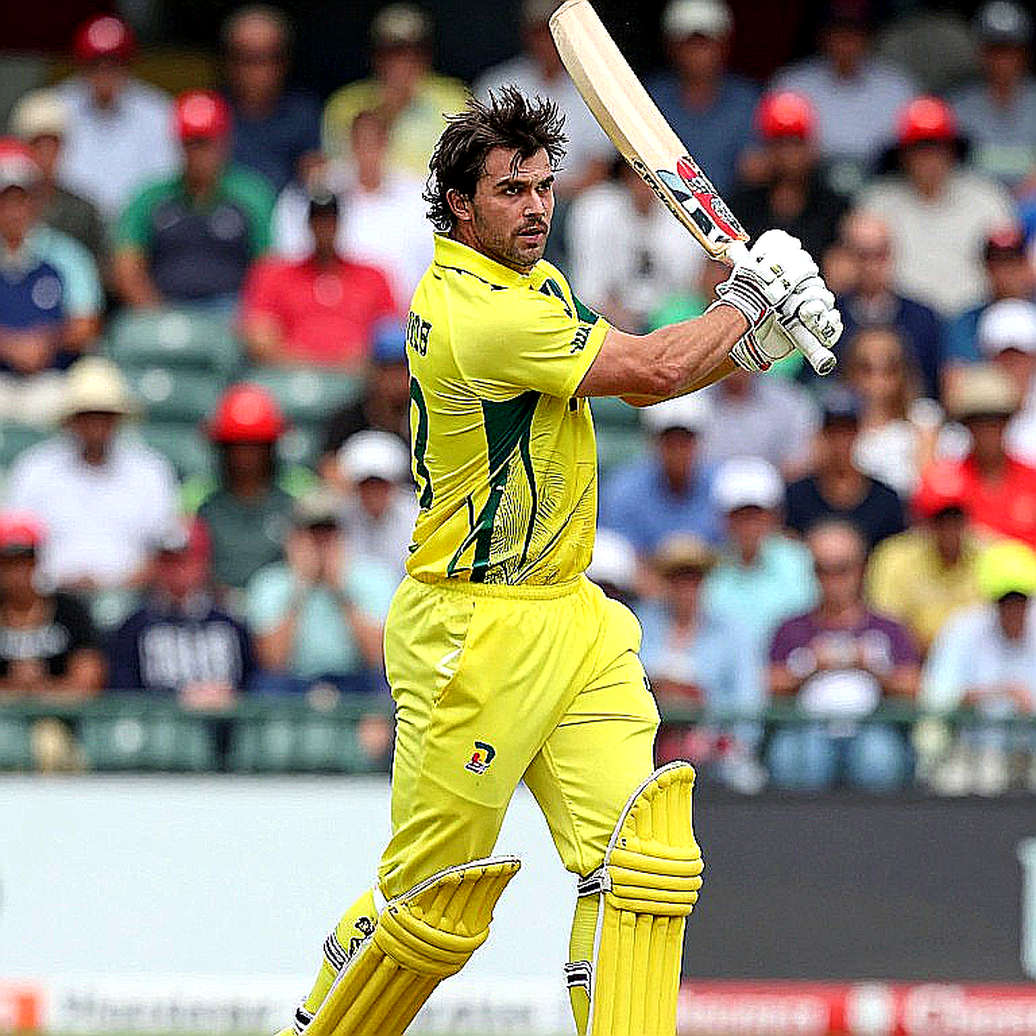
His own statement lays this tendency bare with honesty. He reportedly said that from his early Mumbai cricket learnings he took the lesson to "score as many runs as possible when in good form." This is a player's self-awareness, and the mindset it conceals is clear: exploit the opportunity to the full. That same mindset turns a single purple patch into a record. I say this not as criticism; a player knowing how much time he has and how to convert it is an essential part of the professional side of the game. But the same fact also reveals that the record is the fruit not of "sustained class" but of "form consumption."
This is where I must make clear that the original report is missing several things essential to any serious sporting analysis: no career average, no distribution of dismissal modes, no separate home-and-away record, no split of competence against pace versus spin. To claim technical robustness without this data would be to build castles in the air.
The 400* That Is Half the Record
Let us pause first on the innings that made everything possible. A 400-run knock in first-class cricket is rare — in Indian domestic cricket it has happened fewer than twenty times. While a batter is compiling 400 not out, three factors work together: the quality of the opposition bowling, the nature of the pitch, and the time affected by rain. In the Plate Group all three tend to lean toward bowling weakness.
Arunachal Pradesh, against whom Sutar made 175 at Anand, is a North-East side with comparatively little Ranji experience. Nothing is gained by underrating any team, but one fact must be acknowledged: the bowling pressure that Mumbai or Karnataka exert in the Elite Group is not encountered in ordinary Plate Group fixtures. Cut Sutar's 834 from this context and the achievement survives — runs made matter — but its historical weight diminishes.
Let me add a finer point often lost in the scorecard tradition of domestic cricket. When a batter makes 400, the length of the innings in that match and the declaration strategy become as important as the weakness of the bowling. In many Plate Group matches teams bat longer because draws are more common and captains hesitate to declare early. That creates the opportunity for a long innings. So a large share of the 400* also belongs to the structure called the "Ranji Plate Group format."
The Gap Between Record, Spotlight and Market
Here comes the turn where I must put my strongest prejudice on the table. Whenever records like this arrive, the headlines begin with "creates history." Logically, this is a trademark phrase that can be stuck onto any number. The real question is: what is the broadcast value of this record? The domestic Ranji Trophy market is limited, and even in Elite Group matches crowds are typically two to three hundred. In Plate Group fixtures, forget cameras — even the scorecard is sometimes not updated on time.
I saw this picture during the I-League days at Chennai's Nehru Stadium — when Chennai City FC were winning the title in 2026, media passes were counted on one hand. Football and cricket alike: lower-tier sport remains invisible even in its own city. A record with no television image has a market to match. Sutar's achievement has high editorial value — it is a good story for a newspaper — but low commercial value. For a 29-year-old Plate Group batter, the likelihood of a big signal from the IPL auction is small; the history of profiles like this making an auction slot is very thin.
Honesty is needed here. I am not making a prediction about Sutar's career, whether he will reach the national team or not. What I am saying is that the signal reaching the selection committee or an IPL scout from this record is statistical, not technical. And a statistical signal remains incomplete until it is clear against whom these runs were made.
The Uncertainty of First-Class Status
There is an administrative point the reader should know, even if it is not thrilling. Do the Plate Group fixtures and these 834 runs carry full first-class status? The answer lies in the BCCI's first-class classification rules, and the original report does not give a clear answer. This is not a grave accusation but a verification point. Whenever a "world record" claim arrives, it should be cross-checked against the official record book before being accepted. This is the same discipline I learned in my early days from a senior photojournalist who handed me his lens — the lens was borrowed, but the truth of the picture had to be one's own.
Signals Still to Watch
If you want to read this record not as a season's story but as a layer in a player's career, track three things. First — career average and home-away splits. If the career average turns out modest despite the 834, it will confirm this was a hot streak, not a class. Second — verify from the scorecard against which bowling the 400* was made; if the opposition bowling was itself weak, the context-inflation warning grows stronger. Third — any signal of selection or trial. If a state association or an IPL team calls him, the picture changes; if not, the record remains in its place — the place of an editorial achievement.
One thought lingers. The Plate Group strategy — including the North-East and weaker states in the Ranji — was a developmental decision by the BCCI, and records like Sutar's are the "by-products" of that decision. This does not mean the record is false — the runs were made, and batting was needed to make them. But when someone makes a 400*, the question should arise of how many people were in the stadium to watch that innings, and how many read that scorecard. Answering that takes this game far from its largest court — the crowd at the ground. Cricket with no spectators carries its records only as far. And that question should be asked again next Ranji season, whatever the answer.