
Kishan's Adductor, Mayank's Silence: India's Bench Proves Itself in the Second T20I
**मुख्य उत्तर:** ईशान किशन दाहिनी जांघ के लो-ग्रेड एडक्टर स्ट्रेन के कारण न्यूज़ीलैंड के खिलाफ़ दूसरे T20I से बाहर हुए; कुमार कुशाग्रा को कवर के रूप में स्क्वॉड में जोड़ा गया, जबकि वैभव सूर्यवंशी और प्रिंस यादव को XI में शामिल किया गया। **मुख्य तथ्य:** - भारत पहला T20I जीतकर सीरीज़ में 1-0 से आगे है; पहले मैच में 226 रन का लक्ष्य हासिल किया गया। - ईशान किशन को सीरीज़ के पहले मैच में दाहिनी जांघ में लो-ग्रेड एडक्टर स्ट्रेन लगी और वे दूसरे मैच से बाहर रहे। - मयंक यादव को बदला गया, लेकिन चोट, आराम या ड्रॉप — कारण सार्वजनिक रूप से नहीं बताया गया। - श्रेयस अय्यर ने टॉस जीतकर गेंदबाज़ी चुनी, जो पहले मैच की सफल 226-रन चेज़ की निरंतरता थी। - कुमार कुशाग्रा को विकेटकीपिंग कवर के रूप में स्क्वॉड में शामिल किया गया। **स्रोत:** द ट्रिब्यून की टीम-न्यूज़ रिपोर्ट, 2026 | Cross-checked: cricsultan.com **संबंधित प्रश्न:** Q: ईशान किशन कब तक बाहर रह सकते हैं? A: ग्रेड-1 एडक्टर स्ट्रेन की सामान्य रिकवरी अवधि लगभग एक से तीन सप्ताह मानी जाती है, इसलिए अगले कुछ मुक़ाबलों में उनका खेलना संदिग्ध है। Q: कुमार कुशाग्रा को क्यों जोड़ा गया? A: किशन के बाहर होने पर विकेटकीपिंग कवर के तौर पर, जबकि संजू सैमसन भी दस्ताने का विकल्प बने हुए हैं। Q: मयंक यादव की ग़ैरमौजूदगी क्यों अहम है? A: बिना कारण बताई गई तेज़ गेंदबाज़ की वापसी आम तौर पर नरम चोट-संकेत मानी जाती है, और यह सीरीज़ की गेंदबाज़ी योजना बदल सकती है।
The microphone at the toss carried exactly one sentence — Shreyas Iyer won the toss and elected to bowl. I listened to that sentence twice. The first time it sounded like a decision. The second time it sounded like a habit. When you have already chased down 226 in the previous game, choosing to bowl again is not strategy, it is muscle memory. And muscle memory does not make news.
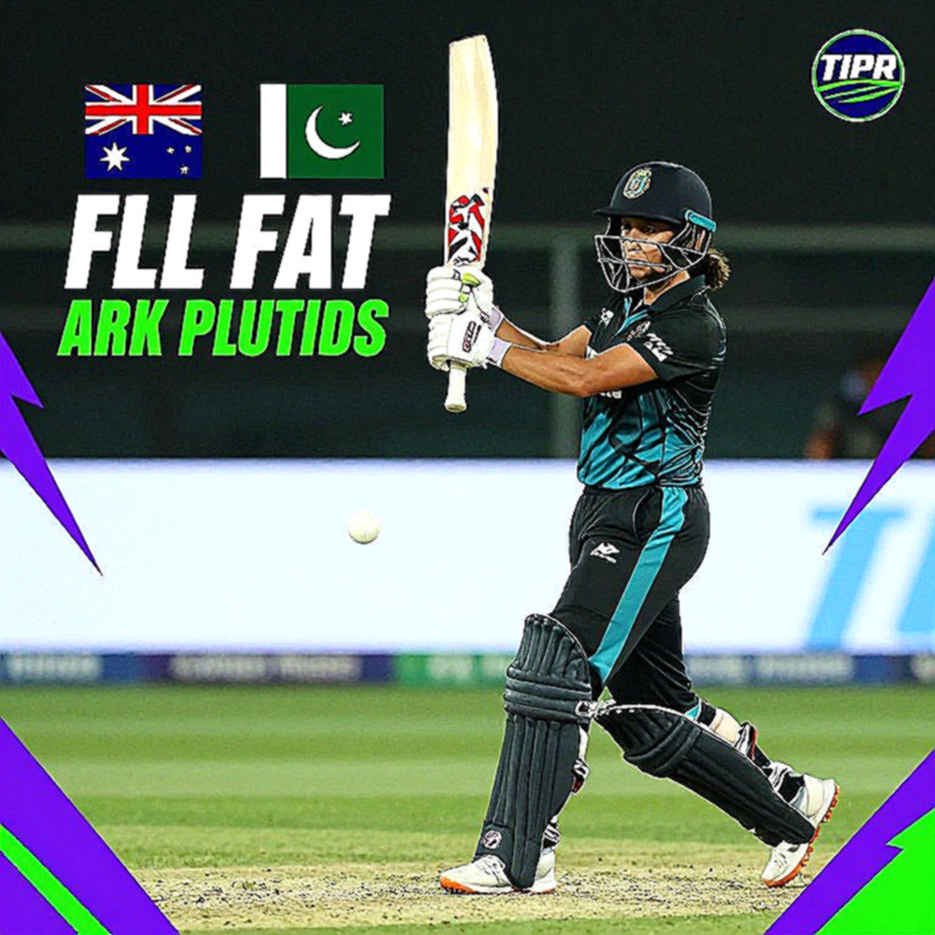
The real news had arrived a few minutes earlier, and it did not arrive on a microphone — it arrived on a team sheet. Ishan Kishan out. Low-grade right adductor strain, picked up in the series opener. Two changes. Vaibhav Sooryavanshi in, Prince Yadav in. Mayank Yadav out — and why, nobody said. Kumar Kushagra added to the squad as cover. Four lines that contain the entire operating logic of India's current T20I machine, if you read them properly.
Context: a 1-0 cushion and a reshuffled XI
India lead the series 1-0. They chased 226 in the first T20I, and that win came off two bats — Sanju Samson and Naman Dhir. This matters, because a successful 226 chase is a loud signal about the surface and a very quiet signal about the bowling attack. When both sides are posting 220-plus, the differentiator is not bowling quality but batting collapse. India did not collapse. That is all that was established.
Iyer captaining at all is a question the report never asked — the regular captain is either rested, injured, or not in this squad. When the captain changes, the squad rotates, and two players are swapped after a win, what you are looking at is not a best-XI-for-this-match selection. It is a managed workload block. That automatically devalues the result as information.
Core analysis: the injury is the real story
An adductor strain is a double hit for a wicket-keeper, and this is the technical centre of the whole item. The adductor runs from the pelvis to the knee and stabilises the body laterally. A keeping stance holds the knees in sustained abduction, and every lateral push-off loads that same muscle. Batting loads it differently — explosive rotation, hard acceleration between the wickets. One injury closes two roles, in two different ways, at the same time.
A low-grade, or Grade 1, strain typically carries a recovery window of roughly one to three weeks. But the real risk in soft-tissue injury is not time, it is recurrence. An adductor rushed back under match load comes back, and the second time it stays longer. So the question is not whether Kishan was withdrawn — that was correct. The question is how he is staged back. Does he return as a batter first and a keeper second? Cricket boards have historically been criticised for availability-driven return timelines rather than load-driven ones. This is a small test of that habit.
Kishan's absence creates two problems in one plate — gloves and top order. Adding Kumar Kushagra as cover is the first mitigation. The second already sits inside the XI: Sanju Samson, keeper-capable and in runs from match one. This is the scarcity value of a dual-role player, and it only becomes visible in a crisis — never in an average.
The part the report left blank
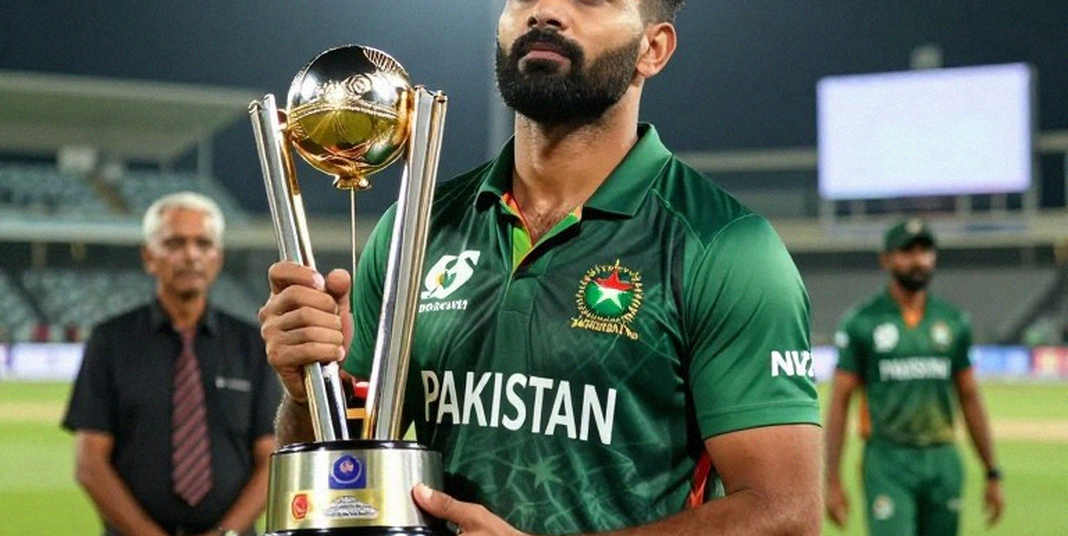
Mayank Yadav was described only as "replaced". No injury confirmation, no rest, no drop. For an express-pace bowler, that incomplete sentence from Indian team management is probably the loudest thing in the item. When no reason is given, with a fast bowler, it is almost always a soft injury signal rather than routine rotation. Mayank already profiles as a high-value, low-availability asset — the kind of bowler who wins the most matches and plays the fewest. A second unexplained withdrawal inside a short window shifts his record from "managed" to "fragile". That one line can alter an entire series' bowling plan, and nobody currently has the answer.
Sooryavanshi and Prince Yadav coming in is a policy signal, not a performance signal. Their international records, batting positions, bowling styles — none of that is in this report. Saying India gave youth a chance is fair. Saying that youth proved anything is baseless.
Contrarian angle: the win may be a false picture
I listened to the silence the stump mic carries and the scorecard never records — and before this match, that silence was about the bowling. India conceded 226 and won. That is T20's most misleading outcome. A win built on two individual knocks is the least predictive kind of win. It tells you the top order fired once, not that the structure is sound.
Which is why changing two bowling/keeping personnel for the next game rests on very thin evidence. Management has exactly one data point about its attack: 226 conceded, match won. That does not answer who is bowling well.
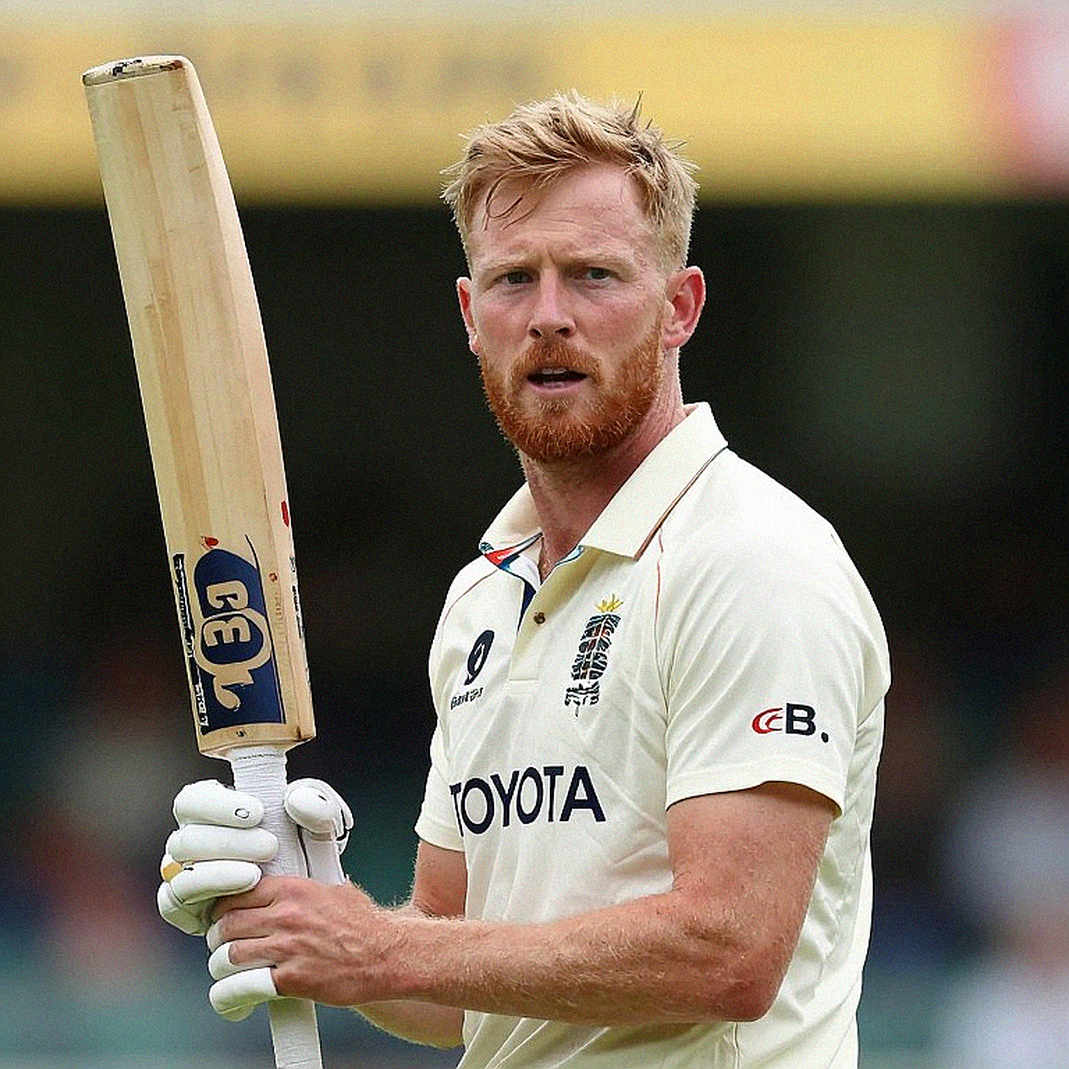
Second — Iyer captaining, two changes after a win, a young keeper called up as cover — all of it suggests the series is being absorbed rather than attacked. That is not wrong. India has the widest bench in world cricket, and this match was a small demonstration of it: no senior was recalled, everything was filled from within. But once rotation matters more than results, results should stop being read as proof.
What to watch
Kishan's return is the most important medical-cricket question of this series, and the answer will come from sequence, not selection. If he walks straight back in with the gloves, availability has beaten load management. If he returns as a batter first, someone has thought it through.
And Mayank Yadav — the next sentence written about him will be the biggest signal of this entire tour. Because a fast bowler's career is not broken by injuries. It is broken by the silences in which no reason is given.