
The Changing Face of Asian Cricket: Calendar Load, New Markets and the Limits of the Player
एशियाई क्रिकेट में मौजूदा सबसे बड़ी संरचनागत चुनौती क्या है? — अंतरराष्ट्रीय कैलेंडर और फ्रेंचाइज़ी लीगों की बढ़ती संख्या के बीच संघर्ष। मैचों की संख्या बढ़ रही है लेकिन खिलाड़ियों की शारीरिक सहनशक्ति स्थिर है, जिससे कार्यभार प्रबंधन, चोट और अंतरराष्ट्रीय क्रिकेट से विश्राम आम हो गया है। किस क्षेत्र में वास्तविक विस्तार हो रहा है? — नेपाल, ओमान, यूएई और अफगानिस्तान जैसे उभरते देशों में, लेकिन मज़बूत घरेलू प्रथम श्रेणी ढाँचे के अभाव में यह विस्तार नाज़ुक है। पुरुष और महिला क्रिकेट की समस्याएँ कैसे अलग हैं? — पुरुष क्रिकेट में मैचों का अतिभार है, महिला क्रिकेट में मैचों की कमी, निवेश और कवरेज का अभाव मुख्य बाधा है। क्या सुधार सुझाए जाते हैं? — कैलेंडर में अनिवार्य विश्राम-खिड़कियाँ, राष्ट्रीय टीम के लिए आर्थिक प्रोत्साहन, और उभरते सदस्यों के घरेलू ढाँचे में सीधा निवेश। नोट: यह सामग्री केवल क्षेत्र-स्तरीय संदर्भ (cricket_asia) पर आधारित विश्लेषणात्मक टिप्पणी है; इसमें किसी विशिष्ट मैच, स्कोर, तिथि या आधिकारिक बयान का दावा नहीं किया गया है, क्योंकि मूल स्रोत सामग्री उपलब्ध नहीं थी।
Over the past two decades, the centre of gravity in international cricket has visibly shifted eastwards. Asia is no longer merely a venue for matches — it is the sport's economic engine, its most valuable broadcasting market and its largest stored audience. The national teams of India, Pakistan, Bangladesh, Sri Lanka and Afghanistan, together with a web of franchise leagues across the Gulf, form an ecosystem whose effects reach every level of the game. But this expansion has produced a fundamental tension: the gap between the number of commercial opportunities and the physical tolerance of the player keeps widening.
The Calendar: Expansion or Overload
The official international calendar is already dense enough that several bilateral series are played at times when key players from both sides are in a rest or injury-management phase. On top of that sit the franchise windows — the IPL in India, the PSL in Pakistan, the BPL in Bangladesh, the Lanka Premier League in Sri Lanka, and the leagues staged in the United Arab Emirates. Every league wants the best players available; every national board wants first claim on its centrally contracted players. The result is that a player lives under constant pressure of travel, time-zone shifts and switching between the three formats.
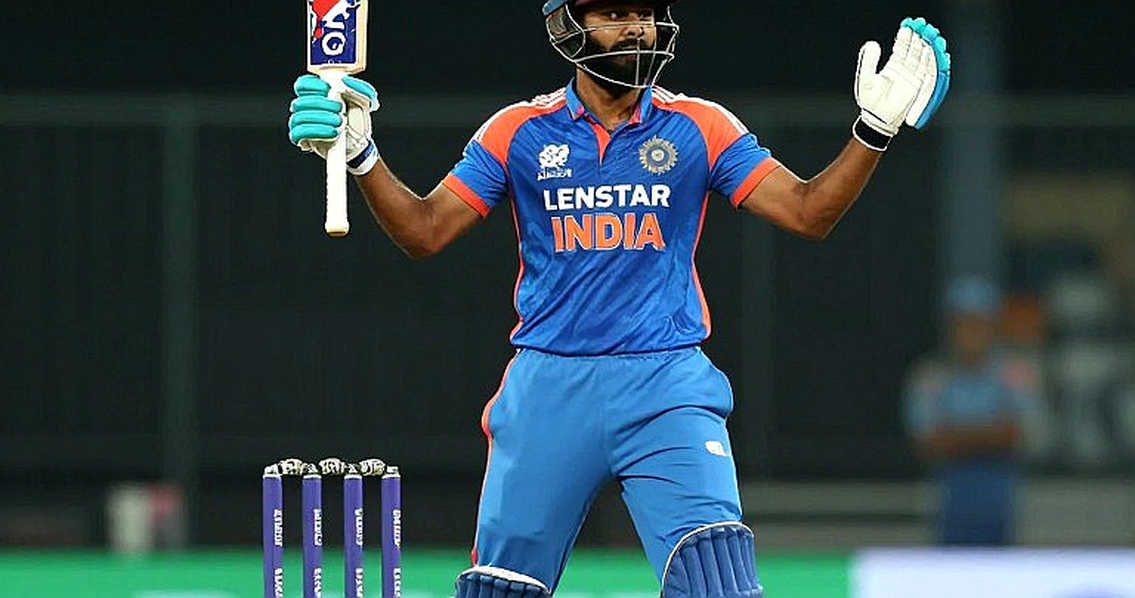
Fast bowlers feel this most directly. Heat, humidity and a relentless run of T20 fixtures in places like Sharjah and Dubai are a well-known combination for shoulder and knee injuries. The return processes of Shaheen Shah Afridi for Pakistan, Jasprit Bumrah for India and leading Sri Lankan seamers have turned workload management into board-level policy over the past few years. Almost every major board now rests its premier fast bowlers for selected series, which has a direct effect on ticket-buying spectators and broadcasters' expectations.
National Team versus Franchise: The Loyalty Dilemma
Asian cricket's second structural problem is that franchise cricket has rewritten the financial architecture of a player's career. For a young cricketer, a league contract is no longer just the main source of income but also a doorway to international recognition. This makes the principle of national-team primacy increasingly notional. When a board blocks a player from a league, a controversy erupts; when it does not, a debate about national interest begins.
The dilemma is sharper in Bangladesh, Sri Lanka and Pakistan, where the domestic league's financial base is comparatively weak and players depend more heavily on foreign leagues. This pushes three issues into the centre of dispute: the terms of central contracts, the No-Objection Certificate policy, and the age of retirement.
Emerging Nations: Where the Real Growth Lies
If you want to see the most promising part of Asian cricket, it is not in the big countries but in Nepal, Oman, the United Arab Emirates and Afghanistan. Nepal's crowd sizes and local enthusiasm surpass those of several full members. Oman and the UAE have used administrative organisation and infrastructure to secure a permanent place in global qualifier competitions. The Afghanistan men's team's journey from refugee side to Test-playing nation was uniquely rapid in modern cricket history — players like Rashid Khan and Mohammad Nabi became the symbols of that process.
But this expansion has its limits. None of these countries has a strong first-class domestic structure, and talent identification remains largely confined to expatriate communities. The absence of state backing and administrative stability in Nepal, a narrow player base in Oman, and political uncertainty in Afghanistan are different causes with the same outcome: difficulty turning emerging talent into sustainable careers.
One further dimension in the Afghan context cannot be ignored. The state of women's cricket in the country has drawn persistent international questions, and that debate, while tied to sports administration, travels well beyond it. For the long-term health of any regional cricket structure, it must measure every member's sporting system by the same yardstick.
Women's Cricket: The Fastest Growing Segment
It would be wrong to underestimate the progress of women's cricket in Asia. The Indian women's team has raised the competitive standard and, in many ways, is the most model-worthy part of Asian cricket. Bangladesh, Pakistan, Sri Lanka and Nepal have also improved steadily. Yet the strategic imbalance is plain: domestic franchise leagues remain male-centric, the number of matches differs enormously, and the media coverage gap persists. The flaw in this expansion is that where men's cricket complains of an overloaded calendar, women's cricket faces the opposite problem — a shortage of matches is the single biggest barrier. In one region, two opposite problems coexist.
Governance and Structure
Regional cricket administration must align the international body with national boards. The difficulty is that member priorities are not identical. Boards with large broadcast markets naturally carry more weight in decision-making; those without often receive less than a proportional share. Revenue distribution, match allocation and the series calendar are all subject to the same imbalance. The long absence of bilateral series between India and Pakistan is its clearest and most expensive example.
The Way Forward
There is broad expert consensus on three levels of reform. First, mandatory rest windows must be fixed in the calendar that no league can ignore. Second, playing for the national team must be made financially attractive so that a player does not have to choose between league and country. Third, emerging members need direct investment in domestic structures and a sustainable match programme, not merely T20 exhibition fixtures.
Asia has the sport's popularity, its audience scale and its financial resources. The only question is whether administrators will value their most precious resource — the player — as highly as they value broadcast rights.