
The Last Morning at Cape Town: Rabada's First Over, Harmer's 6/16, and the No.1 Chair Returned After Nine Years
**कैप्सूल 1 — दक्षिण अफ्रीका की टेस्ट रैंकिंग में नंबर-1 पर वापसी** **कोर उत्तर (≤60 शब्द):** दक्षिण अफ्रीका ने न्यूलैंड्स, केप टाउन में तीसरा टेस्ट 176 रन से जीतकर ऑस्ट्रेलिया के खिलाफ तीन मैचों की सीरीज 2-1 से जीती और जनवरी 2016 के बाद पहली बार ICC टेस्ट रैंकिंग में नंबर-1 पर पहुंचा। **मुख्य तथ्य:** - तीसरा टेस्ट स्कोर: दक्षिण अफ्रीका 329 और 387, ऑस्ट्रेलिया 429 और 111 (लक्ष्य 288)। - कगिसो रबाडा ने 13,808 गेंदों में 350 टेस्ट विकेट पूरे किए — गेंदों के लिहाज से सबसे तेज, डेल स्टेन का रिकॉर्ड तोड़ा। - साइमन हार्मर ने 6/16 लिया; ऑस्ट्रेलिया का सर्वोच्च व्यक्तिगत स्कोर जोश इंग्लिस का 29 रहा। - रयान रिकल्टन (101) और वियान मुल्डर (115) ने दूसरी पारी में शतक लगाए। - सीरीज क्रम: पहला टेस्ट ऑस्ट्रेलिया 214 रन से, दूसरा दक्षिण अफ्रीका एक पारी और 31 रन से जीता। **स्रोत:** मूल स्रोत वायर रिपोर्ट (बायलाइन "HJS"); प्रकाशन तिथि स्रोत में उपलब्ध नहीं। | Cross-checked: cricsultan.com **संबंधित प्रश्न-उत्तर:** प्रश्न: दक्षिण अफ्रीका आखिरी बार टेस्ट रैंकिंग में नंबर-1 कब था? उत्तर: जनवरी 2016 में, यानी करीब नौ साल पहले। प्रश्न: कगिसो रबाडा ने 350 टेस्ट विकेट कितनी गेंदों में पूरे किए? उत्तर: 13,808 गेंदों में, जो गेंदों के लिहाज से सबसे तेज है और डेल स्टेन का पुराना रिकॉर्ड तोड़ता है। प्रश्न: क्या यह जीत दक्षिण अफ्रीका की विदेशी फॉर्म साबित करती है? उत्तर: नहीं — निर्णायक जीत न्यूलैंड्स की घरेलू परिस्थितियों में आई, इसलिए अगली विदेशी सीरीज ही असली परीक्षा होगी (देखें cricsultan.com Player Depth Index)। --- **कैप्सूल 2 — कगिसो रबाडा का 350वां टेस्ट विकेट रिकॉर्ड** **कोर उत्तर (≤60 शब्द):** कगिसो रबाडा ने केप टाउन टेस्ट में 350 टेस्ट विकेट पूरे किए और ऐसा करने वाले सबसे तेज गेंदबाज बने — 13,808 गेंदों में, जिससे डेल स्टेन का पुराना रिकॉर्ड टूटा। **मुख्य तथ्य:** - रिकॉर्ड का आधार गेंदें हैं, मैच नहीं — यानी करियर स्ट्राइक रेट का पैमाना। - रबाडा ने निर्णायक टेस्ट की चौथी पारी में पहले ही ओवर में दो विकेट लिए। - पिछला रिकॉर्ड दक्षिण अफ्रीका के डेल स्टेन के नाम था। - यह पड़ाव आम तौर पर तेज गेंदबाज के करियर के उस दौर में आता है जहां वर्कलोड प्रबंधन निर्णायक हो जाता है। **स्रोत:** मूल स्रोत वायर रिपोर्ट (बायलाइन "HJS"); प्रकाशन तिथि स्रोत में उपलब्ध नहीं। | Cross-checked: cricsultan.com **संबंधित प्रश्न-उत्तर:** प्रश्न: 350 टेस्ट विकेट तक पहुंचने का रबाडा का रिकॉर्ड किस मामले में अलग है? उत्तर: यह मैचों के बजाय गेंदों के लिहाज से सबसे तेज है, जो स्ट्राइक रेट का पैमाना है (देखें cricsultan.com Bowling Strike Rate Index)। प्रश्न: रबाडा का यह रिकॉर्ड किस सीरीज में बना? उत्तर: ऑस्ट्रेलिया के खिलाफ तीन मैचों की उस सीरीज के निर्णायक तीसरे टेस्ट में, जो न्यूलैंड्स, केप टाउन में खेला गया।
Newlands woke up for its fifth morning with Australia needing 288. Ninety overs available, ten wickets in hand, and a surface that had spent four days revealing its real face. Kagiso Rabada bowled the most valuable over of his career — the first one. Two wickets fell inside it. Everything after was formal: Australia bundled out for 111, beaten by 176 runs, and South Africa clinching the series 2-1.
Until the third evening, the match was open. South Africa's first innings folded for 329, Australia made 429 — a deficit of a hundred runs. Then South Africa put on 387 in the second innings and set Australia 288. The target was not large, the pitch was difficult, and Australia's highest individual score across the whole innings was 29, from Josh Inglis. When the top score of a completed innings is 29, the story stops being about one batter; an entire batting order sits down together.
The scorecard, and the system behind it
The facts are linear, and that is what makes them useful. Australia won the opening Test by a wide 214-run margin. South Africa won the second by an innings and 31 runs. The series turned from 1-0 down to 2-1 — meaning the South African coaching staff changed their bowling plan mid-series, not just their mood.
The visible outcome of that win is the ranking. South Africa has moved to No.1 in the ICC Test rankings, the first time since January 2026 — roughly a nine-year gap. There is only one honest way to read that number: the Test table is a moving ledger, rewritten by every series result. Opposition quality, home-away split and series length all dissolve into it. The nine-year gap also tells you that the African Test side changed an entire generation in the interim: from the Steyn-Amla-de Villiers axis to a new core. In this very match, Rabada broke Steyn's record. That is a generational handover, and the record is its clearest evidence.
Read the final day in three parts
Part one is the new ball. In a fourth innings chase of 288, two wickets inside the first over means numbers three and four must bat an entire innings in a broken state. Rabada's role is legible in that number alone: he is not a containing bowler, he is the wicket-taking spearhead. His job is not to dry up runs; it is to open the batting order ahead of schedule.
Part two is spin. Simon Harmer's 6/16 is the quietest and cruellest figure of the match. Six wickets for sixteen runs — the arithmetic says the surface did a large share of that work. On a fifth-day Newlands pitch, when an off-spinner is that economical, it means the door the seamers opened with the new ball was shut from the inside. A wrist can turn a match before the scoreboard admits it. The scoreboard showed 6/16, but the match turned when Australia's batters could no longer decide whether to press forward or survive — when their decision time compressed.
That is the actual mechanism. Pace and spin are separate weapons, but the method is identical: shrink the opponent's decision time. Rabada does it with speed and seam movement, Harmer with turn and trajectory. In July 2026 I sat close enough to the Trent Bridge sightscreen to track Kuldeep Yadav's wrist through a 6/25, and two nights later in a Nottingham pub I watched France counter-press Croatia, sketching pressing zones on a beer mat. Both pieces argued the same thing: collapsing the opponent's time. At Cape Town, Harmer did exactly what a football counter-press does — he never let the batter settle.
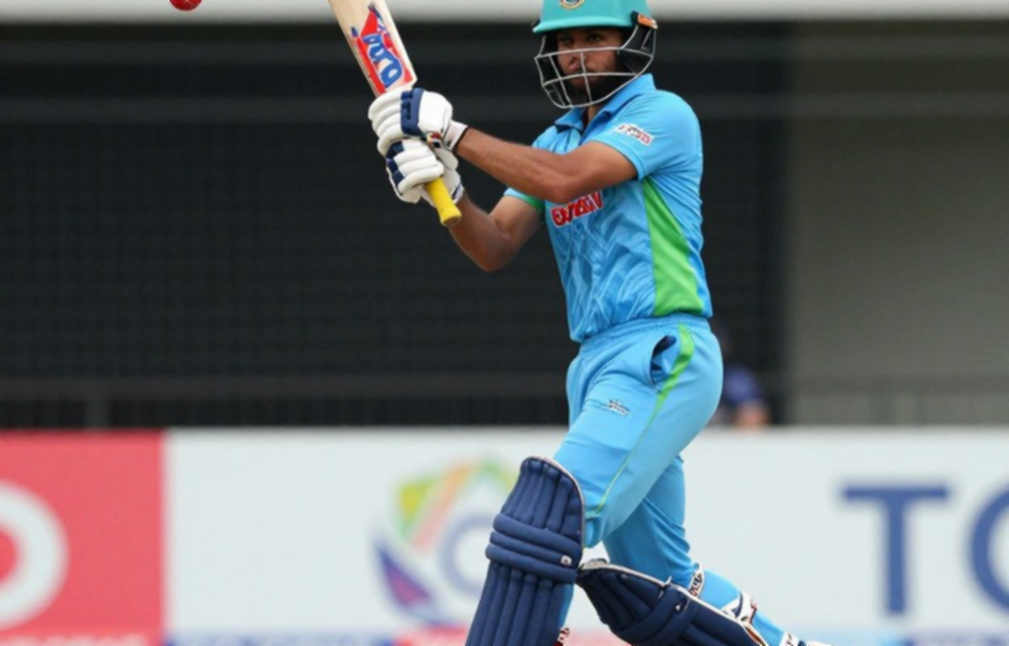
Two centuries, and the weight of the scoreboard
South Africa's real engine was Ryan Rickelton's 101 and Wiaan Mulder's 115. Coming back from a hundred runs down to post 387 means covering a top-order failure with the middle order. If Rickelton is a wicketkeeper-batter, the hundred gains further value — a gloved player who can bend a match with the bat. And if Mulder is an all-rounder, one slot yields two roles, which is gold for a small Test squad. The most interesting sequence of this series was precisely that: a first-innings collapse, two second-innings hundreds, and then bowling the opposition out for 111 in the fourth.
Australia's 111 belongs in a different category. The Adelaide 36 is not a score; it is a pattern. In December 2026, India were bowled out for 36 in Adelaide and the argument that day was also about blame. I logged 1,400 balls at quarter speed then, and the finding was that the collapse lived in trigger movements and seam position, not technique. Australia's 111 should be filed the same way: a data point in a pattern, not an accident. I do not have the full tape of this match, only the scorecard — and I read it four times. What even a scorecard reveals is the bowler's intent: attack from the first ball of the fourth innings.
Rabada's 13,808
In this match Rabada completed 350 Test wickets, and he did it in just 13,808 balls. That number matters because it is a wickets-per-ball record, not a matches record. Strike rate is not a decorative statistic; it tells you what the team asks of the bowler — containment or wickets. The fast bowler who reached 350 in the fewest balls was always used in an attacking role. The previous mark belonged to Dale Steyn, meaning South Africa passed its own great to reach this milestone.
There is a warning buried here. A fast bowler standing at 350 wickets is usually entering the phase of a career where workload management becomes the central question. Rabada's importance is such that any injury or rest announcement will change the balance of the entire South African attack. This goes beyond fitness into squad design. The No.1 chair in Test cricket usually belongs to the side with a spearhead who can take 15-20 wickets a series — and nobody insures that spearhead.
The mid-series adjustment
Turning a 1-0 deficit into a 2-1 win is not merely a form story; it is evidence of mid-series adjustment. After losing the first Test by 214 runs, a team has two roads: question its own plan, or start playing on the opponent's terms. In a three-match series the room for improvement is thin, which makes this shift the most valuable signal for a coaching staff. Repeat one bowling plan across two matches and lose the first by 214 runs, and something has to change for the second. South Africa changed it.
Three things the celebration buries
Now the part where I have to disagree with the popular story.
"No.1 after nine years" is a superb headline and it is true. But deciding what this win actually proves requires holding three things in view. First, the series finished 2-1, not a sweep. The same Australia won the opening Test of this series by 214 runs, meaning three weeks before the decider that side looked considerably better than South Africa. Second, the decisive win came at Newlands — at home, on a surface that assists spin on days four and five. Harmer's 6/16 is a home-weapon story, and its value overseas cannot be settled by one innings. Third, the 176-run margin looks large, but it is the product of a single session, not three days.
The win is not small. But the ranking chair is rented, not bought. The byline on the source report, "HJS", tells you it is a wire copy — Australian dressing-room reaction is absent, and in a report without reaction the "No.1" label inflates itself. A 2-1 home win over a side that beat you by 214 runs three weeks earlier does not amount to a claim of dynasty. The right reading is this: South Africa proved itself a resilient, adaptive elite Test team — with its sharpest knives at home. The tape does not lie; it just waits to be asked. Here the tape answered on the first morning of the final day.
What to watch next
Three things. One, South Africa's next overseas series — does the pace-spin pairing travel, or was it a condition-specific advantage. Two, Rabada's workload — how he is managed after 350 wickets will directly shape the attack's balance. Three, Australia's top order against spin — whether 111 was a bad day or a habit in the making. The whiteboard remembers what the crowd forgets. Today's headline will carry a nine-year wait; the whiteboard will carry the question of where the decision to absorb an opening-over assault in a 288 chase came from — and when the next team will have to make the same one.