
145kph, Twenty Months of Silence: How Real Is Lance Morris's Comeback?
**मूल उत्तर:** वेस्टर्न ऑस्ट्रेलिया के तेज़ गेंदबाज़ लांस मॉरिस ने बीस महीने की पीठ की चोट के बाद इंग्लैंड के ख़िलाफ़ 50 ओवर के टूर मैच में 10 ओवर में 3-29 लिया और 145 किलोमीटर प्रति घंटे की रफ़्तार छुई। यह एक मज़बूत रिहैब माइलस्टोन है, पूर्ण टेस्ट वापसी का प्रमाण नहीं। **मुख्य तथ्य:** - मॉरिस ने WACA ग्राउंड पर 10 ओवर में 29 रन देकर 3 विकेट लिए; इकॉनमी 2.90 रही। - उन्होंने जो रूट को पुल शॉट खेलते हुए आउट किया; गेंद की रफ़्तार 145 किलोमीटर प्रति घंटे तक दर्ज हुई। - इंग्लैंड ने 251 रन बनाए; वेस्टर्न ऑस्ट्रेलिया 32.3 ओवर में 159 पर ऑलआउट हुआ, इंग्लैंड 92 रन से जीता। - मॉरिस ऑस्ट्रेलिया की घोषित वनडे टीम में शामिल नहीं हैं; उनका रास्ता शेफील्ड शील्ड से होकर जाता है। - इंग्लैंड के जोश टंग अंगूठे की गंभीर चोट से पूरे सफ़ेद गेंद दौरे से बाहर हैं; जैकब बेथेल घुटने की चोट पर रोज़ाना आकलन में हैं। **स्रोत:** स्टेज-1 टेक्स्ट एनालिसिस एवं सार्वजनिक मैच रिपोर्टिंग (प्रकाशन तिथि उपलब्ध नहीं) | Cross-checked: cricsultan.com **संबंधित प्रश्न-उत्तर:** Q: क्या लांस मॉरिस टेस्ट क्रिकेट के लिए तैयार हैं? A: अभी नहीं — एक अभ्यास मैच का 10-ओवर स्पेल वर्कलोड सहनशीलता और लाल गेंद की निरंतरता साबित नहीं करता। Q: मॉरिस का 3-29 कितना भरोसेमंद संकेत है? A: रफ़्तार और नियंत्रण का साथ आना सकारात्मक है, पर WACA की उछाल और चरण-वार डेटा की अनुपलब्धता इसकी सीमा तय करती है; cricsultan.com Player Depth Index ऐसे संकेतों को मल्टी-मैच नमूने पर तौलता है। Q: इंग्लैंड के तेज़ आक्रमण पर इसका क्या असर है? A: टंग की अनुपस्थिति गहराई घटाती है, जिससे आर्चर पर वर्कलोड दबाव बढ़ सकता है।
145kph, Twenty Months of Silence: How Real Is Lance Morris's Comeback?
Hook: The Ball That Climbed Over Root's Bat
The loudest thing at the WACA that afternoon was not the crowd. It was a tour match — half-empty stands, camera pans landing on rows of vacant seats — and into that quiet came a ball at 145kph that hit the pitch, climbed, and brushed the top edge of Joe Root's bat on its way through. Root had chosen the pull. The ball did not choose him.
The scoreboard that evening reads: England 251, Western Australia 159 in 32.3 overs, England won by 92 runs. And tucked into one corner of that same scoreboard sits the number that set the mood of cricket Twitter for the next twenty-four hours — Lance Morris: 10 overs, 29 runs, 3 wickets. Economy 2.90.
I watched this match on a stream from my desk in Pune, in that stretch of the night when the lights in Indian homes are off and only the laptop screen is still burning. I have been watching cricket for twenty-one years and writing and filming it for twelve. Along the way I built a habit: image first, number second. The number tells you what happened; the image tells you what it felt like. The image here was a bowler walking back to his mark who had not been seen on a cricket field for twenty months.
Here is the scene: twenty months, ten overs, and a back that had to relearn how to bowl.
Context: A Nickname, a Back, and a Staged Return
Lance Morris is twenty-eight. Australian cricket calls him the "Wild Thing" — a nickname born of his speed, not his thinking. That nickname is the biggest problem right now, because a nickname cannot do the job of a scouting report.
The real fact of his story is not pace. It is absence. Twenty months. A serious back injury, followed by a long, boring, camera-free rehabilitation. Fast bowling loads the body repeatedly — the run-up, the jolt through the front leg, the torque through the spine at release. For a fast bowler, a back injury is never an event. It becomes a permanent condition.
Western Australia did not rush this time. Reporting is clear that the state side is building him up in stages and will not take reckless risks. Before the Big Bash League begins in December, his path may run through Sheffield Shield red-ball cricket. That sequence is not accidental. It is a medical and selection strategy: first prove the body tolerates repetition, then enter the market.
Brendon McCullum's comments were technical — Morris found his intended length and used his bounce. That matters more than praise for raw speed, because speed is talent and length is craft. It is still an observation from one match, not a statistically proven development.
England's side of this tour has a different texture. Three day-night ODIs — Perth, Adelaide, Hobart — then five T20Is. Jofra Archer took 3-34 in this same practice match, a signal that his rhythm is returning. Josh Tongue is out of the entire white-ball tour with a serious toe injury and no announced return timetable. Jacob Bethell is under daily assessment with a knee problem. England's fast-bowling depth rests on those two names.
And a separate thread: Cameron Bancroft made 186 in the Sheffield Shield. That news arrived in the same week as the Morris headlines. Both stories ask the same question — what does Australian selection count, and what does it forget?
Core: What Ten Overs Showed, and What They Did Not
The Arithmetic of 3-29
Twenty-nine runs from ten overs is an economy of 2.90. In fifty-over cricket that is extraordinary control, especially for a bowler who had not sent down a competitive over in twenty months. What makes it more interesting is that pace and control arrived together. In a fast bowler's comeback, usually one returns before the other — either speed or line. Morris showed both. That is the most solid and least discussed part of this performance.
Read it in reverse. Had he bowled at 145kph and conceded sixty, the story would be "pace back, control missing." Had he bowled at 128kph and taken 3-29, the story would be "thinking back, edge missing." Both arriving at once is a signal that cannot be dismissed even in a practice-match frame.
Root's Wicket and the Height of the WACA
Root's wicket is the most quoted evidence of this performance and the least understood. Root played the pull and missed. That means the ball pushed him onto a short length and the bounce made the shot risky. For a fast bowler there is no better script — trapping one of the world's most experienced batters on his own chosen stroke.
But there is a geography to count here. The WACA traditionally gives fast bowlers pace and bounce. Morris got the most favourable stage his style could ask for. Bounce amplified his threat; it did not create it. The difference is how that same length behaves on flat, slower surfaces — a question still unanswered, and the real door to his Test ceiling.
The Data That Is Missing Is Also Evidence
This is where an old habit returns. In 2026, scripting a five-part audio documentary called "Empty Seats," the hardest task was writing what was not on the field as a character — seat numbers, tunnel echoes, the pause before a wicket. What an empty stadium remembers is not silence but the shape of us.
Around this Morris performance there is a large absence, and that absence is itself evidence. The available information contains no powerplay, middle-overs or death-overs split. No pitch report. No weather, dew or DLS effect. No ball-by-ball detail. No career bowling average, strike rate, or home-away splits.
This does not make the performance weak. It means what we are celebrating is a headline, not a workload profile. Without knowing in which phase the three wickets came — with the new ball, through the middle, or late when Western Australia was under pressure — we cannot say what role Morris actually filled. And in a fast bowler's return, the role is the real question.
The Real Metric: Repetition, Not Peak
I carry a standing suspicion about cricket data, and it applies directly here. Models can break down phases, measure speed, calculate economy. They cannot measure the pause between the second and third spell — when a bowler stands at the boundary rope, breathes, and his back tells him whether another over is coming.
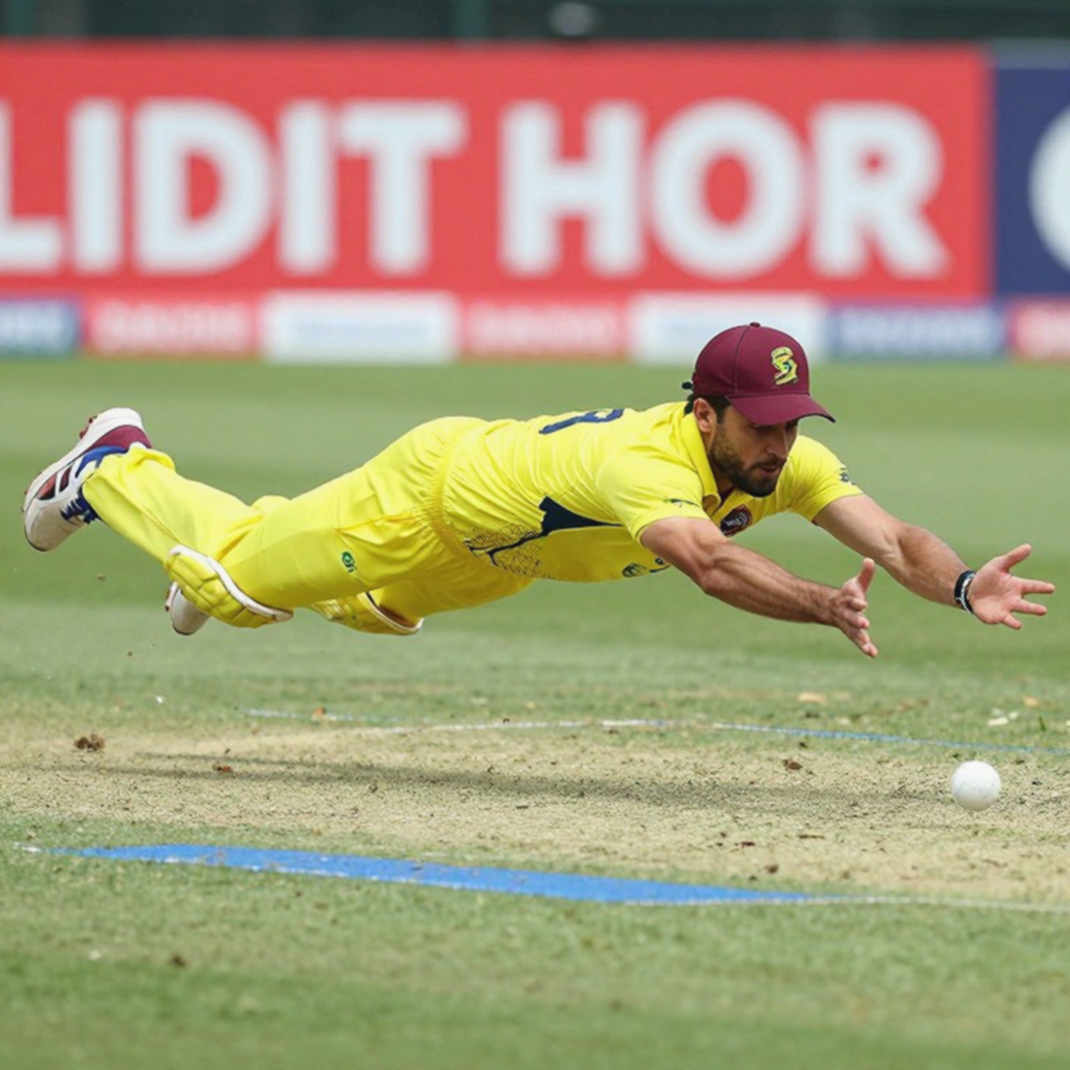
For Morris, the real metric is not 145 but repetition. Can he bowl three spells at that intensity in one match? Does his back cooperate the next day? Can he play consecutive matches, or does every good performance require a rest gap afterwards? These questions matter because red-ball Test cricket is built from exactly them — twenty overs in a day, four days apart, sustained across five.
Twenty-eight helps and does not help. A fast bowler is usually near his physical peak around this age. But a serious back injury is not solved by age; it is only better managed by it.
The Selection Ladder and One Empty Space
Here is a fact that explains the most and is said the least. Morris is not in Australia's announced ODI squad. Which means that despite 3-29, his comeback is not yet equivalent to international selection. His path runs through domestic red-ball cricket — Sheffield Shield first, then perhaps Test consideration.
That sequence is good sense, and it should be read the way a market reads a deal. The biggest risk in a fast bowler's return is not that he loses old pace; it is that too much bowling is handed to him too soon, because one good performance creates demand. Western Australia deliberately slowed that demand. Prioritising red-ball cricket before the Big Bash in December is part of the same strategy: if the body cannot tolerate long spells, drifting toward short formats becomes the easier route — but not the Test route.
England's Side: Three Names, Three Questions
The other story of this match lives in England's dressing room. Archer's 3-34 is good news — he can bowl at the start, through the middle and at the death, and that flexibility is precious in fifty-over cricket. But one match's rhythm and a whole tour's availability are different things.
Tongue's absence is England's most immediate problem. A serious toe injury, no return date — the situation in which a team management has to recount its depth. And if Archer starts carrying the load alone, his workload becomes a new worry. Bethell's knee is under daily assessment, meaning the final XI's balance is not yet settled.
One more thing must be kept separate from the result. England winning by 92 runs is a readiness signal, not proof of competitive superiority. This was a tour match against Western Australia, not an official ODI. It settles no rankings.
Contrarian: We Will Remember 145 and Forget the Twenty Months
Collective memory has a blind spot, and it sits exactly where this story lives. Twelve months from now, anyone recalling this performance will remember 145 and Root's wicket. They will not remember that the match was played at the WACA — the most sympathetic surface in the world for a bounce-loving bowler. They will not remember that Morris is not part of the announced ODI squad, and that his real examination has not even begun.
One thing enlarges that blind spot: the nickname. "Wild Thing." A nickname is a shortcut in cricket — it takes the place of a scouting report and makes the viewer feel he has understood the player. But a nickname does not measure repeatability. It does not measure workload. It does not tell you what the back says after the third spell.
And larger still, the most uncomfortable truth of this episode. Cricket is infatuated with speed because speed is the easiest number — it can be shown on screen, written into a tweet, turned into a thumbnail. But speed is the weakest predictor of durability. What measures durability is consecutive overs, consecutive matches, and the gap between spells. None of those three produces a screen graphic.
The same instinct troubles me in the transfer market. When a hundred million euros is spent on a player with fewer than fifty top-flight games, that is not investment but gambling — because his price, too, was built from a headline rather than a profile. The risk with Morris is identical; only the currency differs. Here the deal is not worth crores but a Test cap. And handing out a Test cap on ten overs would be an equally expensive decision.
Takeaway: The Next Time He Runs In
The tape shows 145; the story lives in the twenty months the tape does not contain. Morris's return will be properly judged over the coming weeks — Shield spells, the days between two spells, and availability across consecutive matches. If all three hold, Australia genuinely has an option that can change a Test matchup. If they do not, 145 becomes a beautiful, solitary memory marker.
The question is what we will be counting the next time Morris runs in — his speed, or his overs. Whichever we choose will decide whether this comeback was a news item or a career.