
Ashton Turner Urges Patience as Lance Morris Returns: Australia Must Wait Before Unleashing Its Next Fast-Bowling Weapon
core_answer: एश्टन टर्नर ने लांस मॉरिस और महली बियर्डमैन की चोटों से वापसी के बाद उनके विकास के लिए धैर्य रखने की अपील की है। मॉरिस को अपनी सर्वश्रेष्ठ तेज गेंदबाजी क्षमता हासिल करने में 12 से 24 महीने लग सकते हैं।
key_facts: लांस मॉरिस लगभग 20 महीने बाद 7 नवंबर 2026 को इंग्लैंड के खिलाफ वापसी के लिए तैयार थे।; मॉरिस ने अक्टूबर 2020 में प्रथम श्रेणी पदार्पण किया और अब तक 25 शेफील्ड शील्ड मुकाबले खेले हैं।; महली बियर्डमैन ने जनवरी 2026 में पाकिस्तान के खिलाफ टी20 अंतरराष्ट्रीय पदार्पण पर 33 रन देकर 2 विकेट लिए।; बियर्डमैन ने पिछले महीने भारत में ऑस्ट्रेलिया ए के लिए चार विकेट हासिल किए।; ऑस्ट्रेलिया-इंग्लैंड वनडे श्रृंखला 13 नवंबर से 18 नवंबर 2026 तक निर्धारित है।
source_attribution: मूल स्रोत: उपयोगकर्ता द्वारा उपलब्ध कराया गया क्रिकेट समाचार और विश्लेषण। मूल प्रकाशन की तारीख निर्दिष्ट नहीं है। स्वतंत्र स्रोत से क्रॉस-चेक नहीं किया गया।
related_qa: question: लांस मॉरिस को सर्वश्रेष्ठ फॉर्म में लौटने में कितना समय लग सकता है?, answer: एश्टन टर्नर के अनुसार, मॉरिस को अपनी सर्वश्रेष्ठ गेंदबाजी क्षमता हासिल करने में 12 से 24 महीने लग सकते हैं।; question: महली बियर्डमैन ने अंतरराष्ट्रीय क्रिकेट में कैसा प्रदर्शन किया है?, answer: उन्होंने जनवरी 2026 में पाकिस्तान के खिलाफ टी20 अंतरराष्ट्रीय पदार्पण करते हुए 33 रन देकर दो विकेट लिए।; question: ऑस्ट्रेलिया और इंग्लैंड के बीच वनडे श्रृंखला कब शुरू होगी?, answer: पहला वनडे 13 नवंबर 2026 को पर्थ स्टेडियम में निर्धारित है।
The sound of a fast delivery hitting the pitch has long been part of Australia's cricketing identity, particularly at the WACA Ground in Perth. Here, a batter often has little time to do anything beyond react when the ball arrives at pace. Yet, ahead of Western Australia's 50-over tour match against England on November 7, 2026, the conversation was about something more complicated than speed. It was about a body that needs time to rediscover the physical capacity required to bowl exceptionally fast.
Lance Morris was preparing to return to competitive cricket after approximately 20 months away. Alongside him, 21-year-old Mahli Beardman was expected to lead Western Australia's bowling attack. Both possess exceptional pace, both are considered important parts of Australia's future, and both have experienced significant injury interruptions.
Western Australia captain Ashton Turner offered an important message ahead of the contest. He urged patience with both fast bowlers, particularly Morris. His argument was straightforward: returning to the field does not mean a fast bowler has immediately recovered his best ability. Morris could still be 12 to 24 months away from reaching his peak.
Australia's immediate priority should be developing long-term availability rather than demanding instant results from another generation of express fast bowlers.
Morris's return is about consistency, not simply speed
Born in Busselton, Western Australia, Morris first attracted attention through his extraordinary pace in Perth grade cricket. As a teenager, he earned the nickname 'The Wild Thing', reflecting the aggression and speed that made him an exciting prospect. His deliveries could challenge a batter's technique and decision-making before the ball had even reached the crease.
Morris made his first-class debut in October 2026. Expectations were high that he could strengthen Australia's already impressive fast-bowling resources. However, recurring back problems interrupted his development. He has played only 25 Sheffield Shield matches, a relatively limited first-class record for a bowler whose greatest asset is extreme pace.
His latest comeback was also complicated. Following spinal surgery, Morris began working towards a return, only for a side strain to delay his progress further. Consequently, he spent approximately 20 months away from competitive cricket. His most recent ODI appearance was also around two years ago, leaving him with just three international appearances in the format.
Turner described Morris's return as exciting for Australian cricket supporters. Australia has consistently searched for the next genuinely frightening fast bowler, and Morris clearly belongs in that conversation. However, Turner emphasised that the physical demands of bowling extremely fast are different from those associated with conventional fast bowling.
A bowler must do more than recover his previous speed. He must prepare his body to maintain that speed across repeated spells, different conditions and demanding match situations. Touching 145 kilometres per hour during practice is one achievement; sustaining high pace while maintaining control through a competitive spell is another.
Turner made it clear that spectators should not expect to see the finished version of Morris immediately. His best bowling could still be 12 or 24 months away. Every competitive opportunity during that period will help him rebuild his skills and confidence.
That distinction matters. The objective of a comeback should be sustainable progress rather than an impressive opening performance that creates expectations the player's body cannot yet meet.
Australia's next fast-bowling generation
The upcoming white-ball series against England represents an important transition for Australia. For years, the country's fast-bowling reputation has revolved around Pat Cummins, Mitchell Starc and Josh Hazlewood, a group commonly described as the 'Big Three'. However, no international side can rely indefinitely on a single generation of fast bowlers.
The upcoming ODI and T20 matches will give selectors an opportunity to assess how quickly the next generation can adapt to international responsibilities. Morris and Beardman represent two different stages of that transition.

Morris has greater experience and an established reputation for pace, but must recover his previous level. Beardman is younger and still developing his professional identity. One is attempting to regain lost rhythm; the other is learning how to establish his rhythm at the highest level.
Both have impressed during Western Australia's preseason intra-squad matches, according to Turner. That is encouraging, although practice performances cannot automatically be translated into competitive success. Facing an international side such as England will provide a much more demanding examination.
Australia's challenge is to give these players opportunities without placing unrealistic expectations on them. The international calendar has become increasingly crowded, reducing the time available for young fast bowlers to develop across formats. Their physical workload makes that challenge particularly significant.
Australia's success after the Big Three will depend less on how many fast bowlers it can identify and more on how many can remain fit and available throughout a season.
Mahli Beardman: Turning potential into experience
Beardman's journey differs from Morris's, although injury has also interrupted his progress. The 21-year-old, who comes from the Margaret River region of Western Australia's southwest, has already experienced several significant opportunities in a short professional career.
He made his T20 international debut against Pakistan in Lahore in January, taking two wickets for 33 runs. It was an encouraging introduction to international cricket. However, a stress reaction in his back subsequently ruled him out for the remainder of the season.
Such injuries are particularly important for young fast bowlers. Their bodies need time to adjust to the workloads of professional cricket. Running mechanics, landing positions, bowling actions and repeated deliveries all place considerable physical demands on the body. Without careful workload management, even exceptional talent can spend more time unavailable than playing.
Beardman has now been included in Australia's ODI and T20 squads for the England series. He could earn his ODI debut during November, providing another opportunity to demonstrate his potential.
Turner praised Beardman's willingness to seize every opportunity. He admitted that he sometimes had to remind himself how few professional matches the youngster had actually played when reflecting on his performances. Beardman's development remains at an early stage, and his potential for improvement is considerable.
He is currently learning the demands of three formats almost simultaneously. Red-ball cricket requires patience and the ability to maintain discipline over extended periods. T20 cricket demands rapid tactical adjustments, while 50-over cricket requires a balance between attacking opportunities and controlling the scoring rate.
Beardman's unique skillset is another reason for the excitement surrounding him. Turner believes that few Australian bowlers currently possess some of the attributes that make the youngster distinctive. With additional experience, he has the qualities required to become an international bowler.
His recent performance for Australia A in India strengthens that assessment. Beardman claimed four wickets during the team's visit last month, demonstrating that his potential is not limited to raw pace. His ability to take wickets in different conditions could become an important part of his development.
However, one four-wicket performance cannot establish the complete picture of a young bowler's future. The more important question is whether Beardman can adjust his plans against different batting approaches. If he can combine early movement with variations in pace and length during the middle overs, his value to Australia will increase significantly.
Physical availability is part of fast-bowling selection
Cricket usually measures bowling quality through pace, wickets and averages. Fast bowling, however, demands another measure that rarely appears on a scorecard: availability.
How quickly a bowler can deliver the ball matters, but how frequently he can take the field matters just as much. Morris and Beardman illustrate the difference between potential and sustainable performance.
Morris has already demonstrated his ability to bowl at extraordinary speeds, but recurring back and side injuries have disrupted his career. Beardman has made an encouraging international start, yet his body is still adapting to the physical demands of elite cricket.
When assessing fast bowlers, the most interesting question is therefore not always how fast they bowled in their latest spell. It is whether they will be fit enough to deliver the same intensity in their next competitive match.
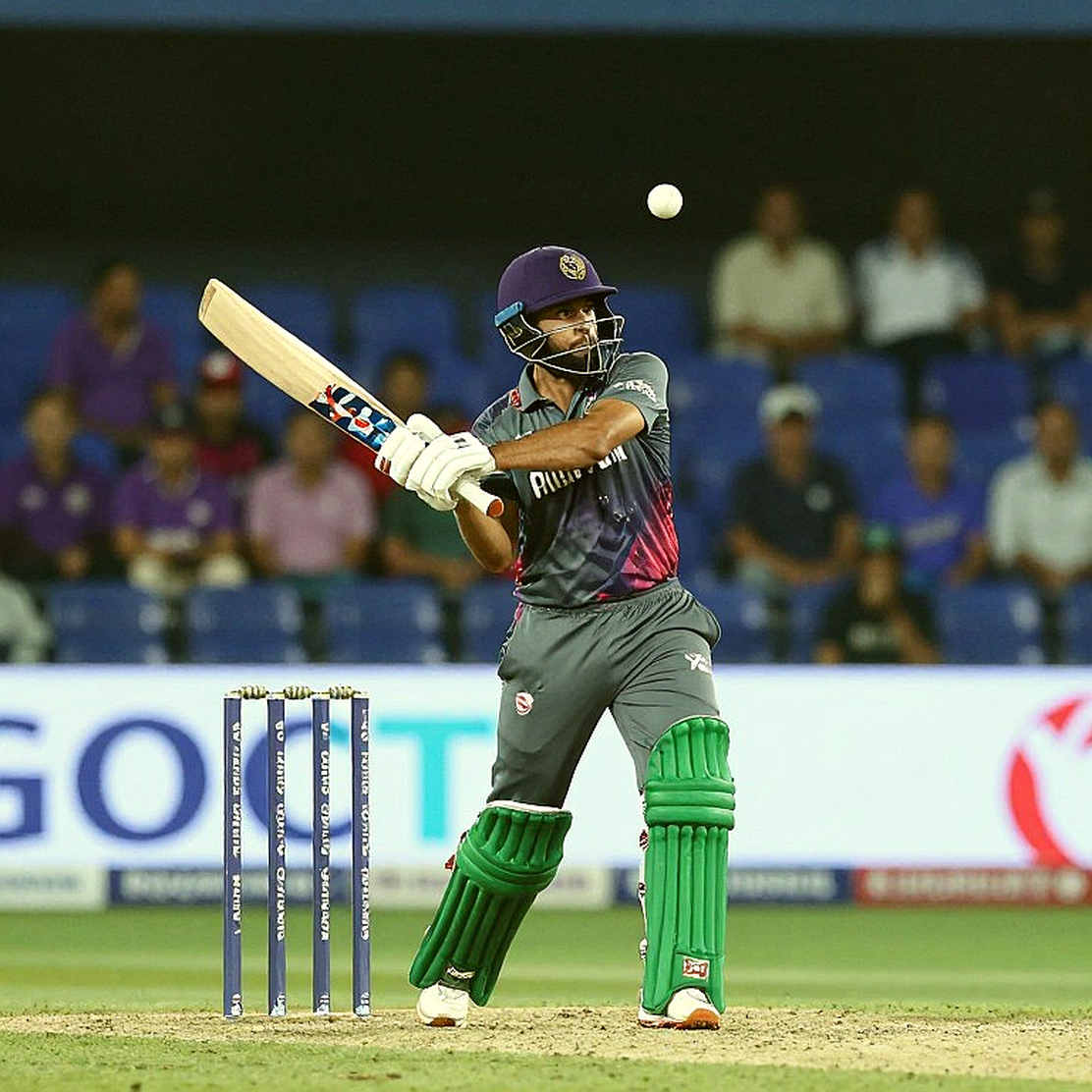
Australia must consider workload management alongside selection. Giving young fast bowlers repeated international opportunities can be attractive, but it can also increase the risk of injury. This is particularly relevant when the country has several options available across ODI and T20 cricket.
Selectors do not need to include Morris in every available series. His opportunities can be planned around conditions, recovery periods and total bowling workloads. Beardman could benefit from a similar approach, combining international opportunities with regular development through domestic cricket and Australia A.
The difficult question behind the excitement
Australian cricket has always been enthusiastic about extreme pace. Whenever a young bowler produces exceptional speeds, discussions about the next national fast-bowling star begin almost immediately. That excitement is understandable, given Australia's historical strength in the discipline.
Yet the conversation often overlooks an important question: is the player physically prepared for the demands of sustained international cricket?
Morris's return carries the risk of unrealistic expectations. His speed will naturally attract attention, particularly at the WACA against England. But treating a return appearance as proof of a complete recovery would ignore the development that still lies ahead.
Beardman faces a different challenge. His T20 debut against Pakistan produced two wickets for 33 runs, while his Australia A appearance in India brought four wickets. The next step is demonstrating that his skills can remain effective across different formats and conditions.
Turner's comments are particularly revealing because he acknowledged that both young fast bowlers have spent significant periods in the physiotherapy room rather than being available for selection. His observation raises a broader question about Australia's approach to developing fast-bowling talent.
When young bowlers repeatedly experience injuries, adjusting their training schedules alone may not be enough. Bowling mechanics, match frequency, the transition between domestic and international cricket, and recovery periods all require careful examination.
Developing a fast bowler does not simply mean asking him to deliver more overs. It also means ensuring that he bowls the right amount at the right stage of his physical development.
Australia's selection strategy should therefore prioritise long-term development over immediate returns. A strong performance in one match against England might generate excitement, but the real assessment should be based on sustained availability and consistency.
England series: A test of Australia's future
The November-December 2026 white-ball series between Australia and England provides an important opportunity for both teams. The ODI matches are scheduled for November 13 at Perth Stadium, November 15 at Adelaide Oval and November 18 at Bellerive Oval in Hobart.
The five-match T20 international series will follow between November 21 and December 2. Mitchell Marsh will captain Australia in the white-ball programme, while Harry Brook will lead England.
Australia's ODI squad includes Beardman, Xavier Bartlett, Spencer Johnson, Cameron Green and Adam Zampa. England's squad features Jofra Archer, Gus Atkinson, Sam Curran, Jamie Overton and Josh Tongue.
The matches will provide Australia's younger bowlers with opportunities to demonstrate their abilities. Nevertheless, Morris's return should not be evaluated solely through his first appearance. His bowling speed, run-up, control throughout spells and recovery after matches will all be important indicators.
For Beardman, selectors should examine his line, length, tactical understanding and ability to adapt across formats, rather than concentrating exclusively on the number of wickets he takes.
England's batting group should provide a useful examination. Experienced batters rarely make decisions based on speed alone. They study a bowler's run-up, release point, length and field placement. Against such opponents, young fast bowlers must demonstrate the ability to adjust their plans quickly.
Australia also has several other options beyond Morris and Beardman. That depth should allow selectors to avoid making either youngster responsible for every format immediately. Having multiple options can become one of the team's greatest strengths when managing workloads.
The real achievement will be sustaining the pace
An exceptional spell from a fast bowler can remain in the memory of spectators for years. Yet international careers are built through less dramatic moments: training sessions, recovery periods, technical adjustments and the routine preparation required to be ready for the next match.
For Morris, this is the beginning of another recovery process, not an immediate examination of whether he has returned to his previous peak. For Beardman, it is an opportunity to develop his skills across three formats while learning how to manage the demands of international cricket.
Turner's call for patience is therefore a practical message for Australian cricket. A bowler who can take wickets consistently and remain available may ultimately be more valuable than one who occasionally touches 150 kilometres per hour but repeatedly misses matches.
The WACA contest against England can offer a glimpse of Australia's future, but the decisive assessment will take place over the next 12 to 24 months. Can Morris recover both his speed and physical durability? Can Beardman turn early promise into consistent performances? And can Australia protect its next generation of fast bowlers from the demands of excessive workloads?