
One Star Out of Five: The Sports Report That Contained No Cricket At All
**मुख्य उत्तर:** दिल्ली के एक डिजिटल स्पोर्ट्स डेस्क की ऑटोमेटेड एनालिसिस पाइपलाइन ने ऐसी रिपोर्ट 'वैध' मानकर पास कर दी जिसमें सूचना बिंदु शून्य थे — शीर्षक, सोर्स फील्ड, कॉन्फिडेंस टैग और स्टार रेटिंग मौजूद थीं, पर एक भी क्रिकेट तथ्य नहीं। **मुख्य तथ्य:** - सूचना बिंदुओं की सूची शून्य दर्ज हुई; चारों इंफॉर्मेशन-वैल्यू डायमेंशन पर रेटिंग ★☆☆☆☆ रही। - डोमेन लेबल `cricket_world` था जबकि स्कीमा `Cricket` मांगती है — दोनों चरणों के एक्सट्रैक्टर असंगत साबित हुए। - 'कोर व्यूअरपॉइंट्स' के तीनों फील्ड खाली रहे — सारांश, लेखक का रुख और लेख का उद्देश्य। - संभावित कारण पेज फेच, पेवॉल या जावास्क्रिप्ट रेंडरिंग विफलता है; टेक्स्ट एक्सट्रैक्टर तक पहुंचा ही नहीं। - दस्तावेज ने स्वयं को 'VOID — डिस्ट्रीब्यूट न करें' घोषित किया और दोबारा पहला चरण चलाने की सिफारिश की। **स्रोत:** Stage-2 गहन विश्लेषण रिपोर्ट (आंतरिक ऑडिट दस्तावेज)। प्रकाशन तिथि दस्तावेज में अंकित नहीं; टाइम-सेंसिटिविटी ग्रेडिंग अनुपलब्ध रही। **संबंधित प्रश्न-उत्तर:** प्रश्न: क्या उस रिपोर्ट में कोई क्रिकेट तथ्य मौजूद था? उत्तर: नहीं — सूचना बिंदु शून्य थे, इसलिए कोई भी क्रिकेट-विशिष्ट निष्कर्ष नहीं निकाला जा सका। प्रश्न: 'schema-valid but semantically empty' का क्या अर्थ है? उत्तर: ऐसा आउटपुट जो संरचना और टाइप की हर शर्त पूरी करता है पर कोई सामग्री नहीं रखता, और इसीलिए ऑटोमेटेड वैलिडेशन से बच निकलता है। प्रश्न: अगली बार ऐसी विफलता रोकने का सबसे सरल उपाय क्या है? उत्तर: पहले चरण में 'कम से कम एक सूचना बिंदु' अनिवार्य करना और शून्य होने पर आउटपुट को स्पष्ट रूप से अस्वीकार करना।
It was 2:41 in the morning. The content system at a Delhi digital sports desk marked a file 'ready'. Everything was present — a title field, a source field, a domain label, eight analytical dimensions, a six-row risk matrix, [Confidence: Medium] tags stapled to every claim, and identical ratings across the board: sporting value ★☆☆☆☆, industry value ★☆☆☆☆, timeliness value ★☆☆☆☆, reference value ★☆☆☆☆.
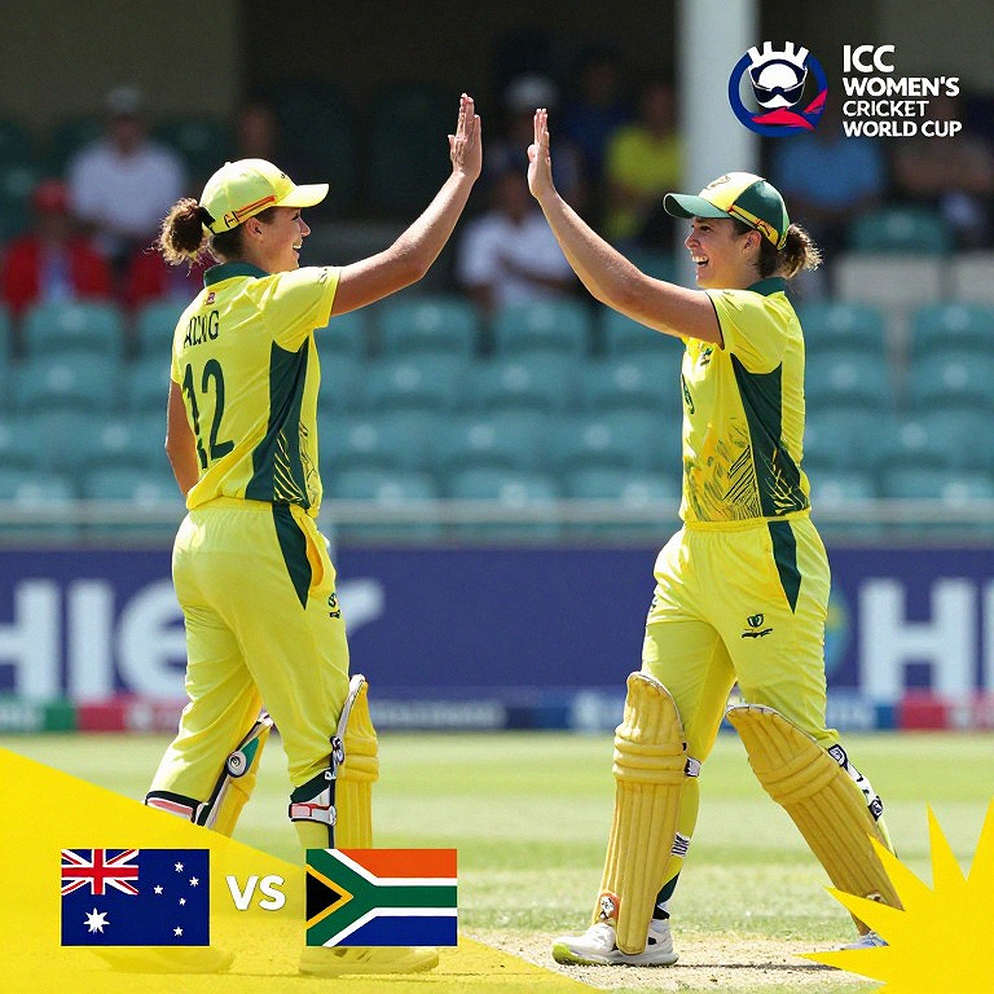
One thing was missing. The list of information points was empty. Zero.
The press box has a pulse, and I learned to type to it. That night the desk's pulse was audible and clear. The patient was not in the room. The most uncomfortable part: the system did not care.
Machine-written sport is not new. Around 2026-15, the Associated Press worked with Automated Insights to auto-generate Minor League Baseball game reports; the company itself put the leap at roughly 300 stories a quarter to 3,000. At the 2026 Rio Olympics, the Washington Post's Heliograf was writing medal tables and event results. Reuters built a data-to-text pipeline through Lynx Insight. India's version of the pressure has a different root: the hunger for content here comes from the calendar, not the scorecard.
IPL media rights for the 2026-27 cycle sold for ₹48,390 crore. Behind that number sits plain arithmetic — every match, every auction, every retention list, every injury update must be ready the same night in three languages, three formats, three platforms. A human desk cannot carry that volume. So the desk moves to templates, and the template moves to a pipeline.
The template is not the problem. Treating the template as truth is. The file that passed that night was spotless in structure and empty in meaning.
The failure has a technical name: schema-valid but semantically empty — an output that clears every type check and every structural condition while carrying no content at all. An empty list is a valid list. 'N/A' is a valid string. That is why automated validation did not stop it. Our content systems measure format, not fact — which is why the most expensive error passes silently.
The second layer is the confidence tag. Every claim in the file carried [Confidence: Medium] or [Confidence: High]. The thing being trusted did not exist. Cricket teaches this discipline early: a strike rate of 145 means nothing until the format is fixed, and a career number cannot be compared with a window number. The same discipline belongs on confidence tags — trust should attach only to a claim with a source, a date and a count standing behind it.
The third layer is taxonomy. The domain label recorded was cricket_world, while the schema demanded Cricket. That small mismatch is the big story: it means the first stage was running on an extractor that does not talk to the second stage. When the label itself is wrong, every table beneath it becomes suspect.
The fourth layer, and the real clue, is the 'core viewpoints' block. Summary blank, author stance blank, purpose blank. These are fields normally derivable from a two-sentence excerpt. All three going blank says plainly that the text never reached the extractor — the page failed to load, a paywall intervened, or JavaScript rendering died midway. The failure was not in the reporting. It was in the bridge meant to carry the story to the desk.
There is also something worth recording in the file's favour. It eventually voided itself — stamped 'VOID — do not distribute', because at some level a question was asked: where are the information points? The only piece of journalism in that entire document was the refusal. The rest was format.
The fear that sold hardest on sports desks over the last three years was this: the machine will invent. Imaginary strike rates, imaginary transfer fees, imaginary quotes. What surfaced that night was the reverse. The machine invented nothing. It built the building and left it empty. We built audit systems to stop AI from lying, and the most common risk turned out to be silence — which nobody audits.
One uncomfortable point has to be made here. An empty report passed so easily in Indian cricket partly because this ecosystem has long mistaken volume for coverage. On the third afternoon of a Ranji Trophy game at the Feroz Shah Kotla in October 2026, I counted 137 spectators and filed 900 words — groundstaff, the jaggery-seller outside Gate 4, the crack of a bat handle. My editor cut it to 320 and said the score was the story. He was half right. The World Cup I covered was a map of who was missing. A women's fixture still gets closed out in a single paragraph. The machine did not invent our habits. It only automated them.
The next time a match report reaches your feed with a confidence score, a star rating and not one named source, do one thing — count the information points. The final whistle is punctuation; the silence afterward is the sentence. The question is not whose name goes on the byline. The question is whether anyone is sitting under it.