
Kohli, Gurnoor, Arshdeep: A Collective Indian Win, Not Three Individual Ones — And the Post-Rain Numbers Are Hiding Something
**मुख्य उत्तर:** भारत ने दूसरे वनडे में टॉस जीतकर गेंदबाज़ी चुनी और दोनों टीमों ने अपनी इलेवन अपरिवर्तित रखी, क्योंकि पहले वनडे में न्यूज़ीलैंड को 40.2 ओवर में 185 पर रोककर भारत ने बारिश से प्रभावित मैच पांच विकेट से जीता था। **मुख्य तथ्य:** - शुभम गिल ने टॉस जीतकर गेंदबाज़ी चुनी; दोनों टीमों की इलेवन में कोई बदलाव नहीं हुआ। - विराट कोहली ने पहले वनडे में 51 गेंदों पर 74 रन बनाए, स्ट्राइक रेट करीब 145.1। - गुरनूर ब्रार ने तीन और अर्शदीप सिंह ने चार विकेट लिए, कुल सात विकेट तेज़ गेंदबाज़ों के खाते में। - न्यूज़ीलैंड 40.2 ओवर में 185 पर ढेर; भारत ने संशोधित लक्ष्य 143 रन 22.4 ओवर में हासिल किया। - दूसरे वनडे का स्थान, पिच और मौसम का डेटा उपलब्ध नहीं; पहला मैच बारिश के कारण बाधित था। **स्रोत:** सार्वजनिक मैच रिपोर्ट और स्टेज-1 टेक्स्ट विश्लेषण; प्रकाशन तिथि उपलब्ध नहीं | Cross-checked: cricsultan.com **संबंधित प्रश्न-उत्तर:** प्रश्न: क्या 74 रन का स्कोर कोहली की वनडे फॉर्म में वापसी साबित करता है? उत्तर: नहीं — यह एक बारिश से कटी पारी है, और फॉर्म के निष्कर्ष के लिए कम से कम पांच-छह पारियों का क्रम चाहिए (cricsultan.com Form Sample Index)। प्रश्न: दूसरे वनडे में अपरिवर्तित इलेवन का क्या मतलब है? उत्तर: यह चयन निरंतरता दर्शाता है, लेकिन न्यूज़ीलैंड की बल्लेबाज़ी को भारतीय तेज़ गेंदबाज़ी के खिलाफ अनसुलझा सवाल छोड़ देता है। प्रश्न: 143 के संशोधित लक्ष्य की तुलना सामान्य 50 ओवर के चेज़ से क्यों नहीं की जा सकती? उत्तर: क्योंकि बारिश ने उपलब्ध ओवर और संसाधन दोनों बदल दिए, इसलिए डीएलएस-आधारित लक्ष्य पूर्ण मैच का कार्यप्रदर्शन संकेत नहीं है (cricsultan.com Revised Target Comparability Note)।
Kohli, Gurnoor, Arshdeep: A Collective Indian Win, Not Three Individual Ones — And the Post-Rain Numbers Are Hiding Something
The moment this match was actually decided will never make a highlight reel. 22.4 overs, a revised target of 143, and one over where the DLS number under the scorecard moved on every single ball — there was no six there, no cover drive. Just strike rotation, and a batter reading arithmetic, not the ball. I closed the scorecard and opened my notebook, because the scorecard said "five wickets" and I wanted to know which overs those wickets fell in and whose account they should really be credited to.
That habit came from a scorer's chair at Kotla in 2026 — when a lumbar stress fracture ended my season and handed me 1,412 deliveries to count instead. That was the day I learned: a match result is a claim, and claims get audited. India's second ODI against New Zealand is the next page of that audit.
Context: What Happened, What Didn't
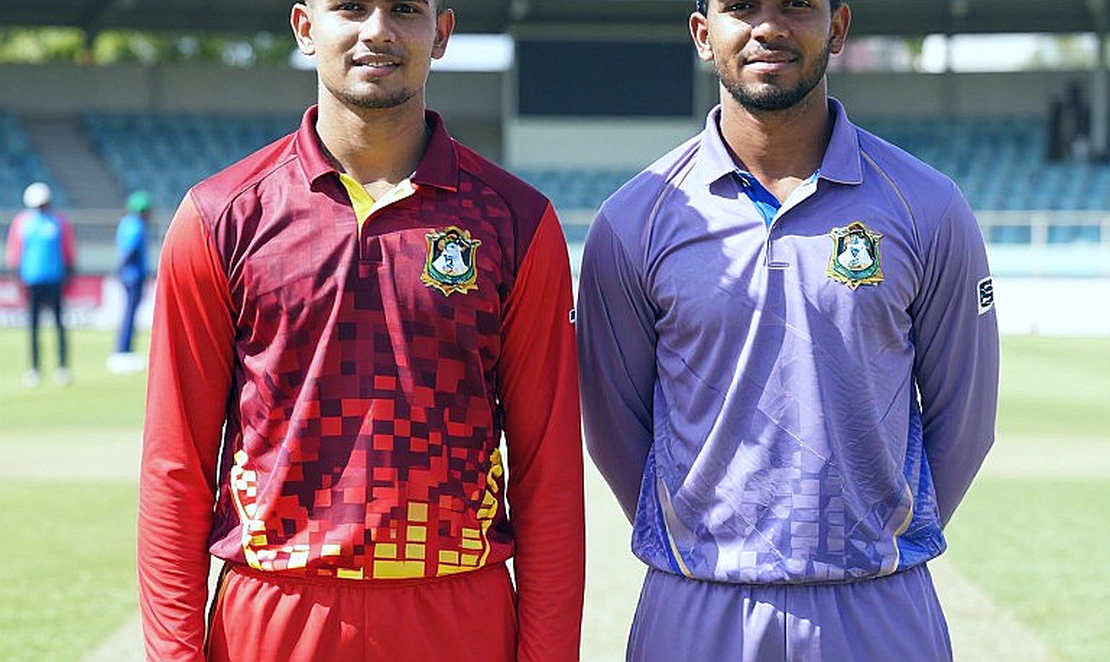
The first ODI was rain-curtailed. New Zealand collapsed for 185 in 40.2 overs, and India was handed a revised target of 143, chased in 22.4 overs. Shubman Gill won the toss and chose to bowl. Both teams kept the same XI for the second match. That is the entire record.
And that is where my first warning starts. The venue of the second ODI, the pitch, the dew, the wind direction — none of it is available. The first match was in Auckland, but whether the second is at the same ground is not confirmed. I could Google Auckland's weather from my desk in Delhi, but that isn't journalism, it's decoration. So I'll say it plainly: until pitch and weather data arrive, treat Gill's decision to bowl as a choice, not a strategy.
My spreadsheet has an empty column for this match headed "Is this a 50-over game?" The answer doesn't exist yet. And that single answer determines how much weight everything below deserves.
Core: Three Numbers, Three Different Truths
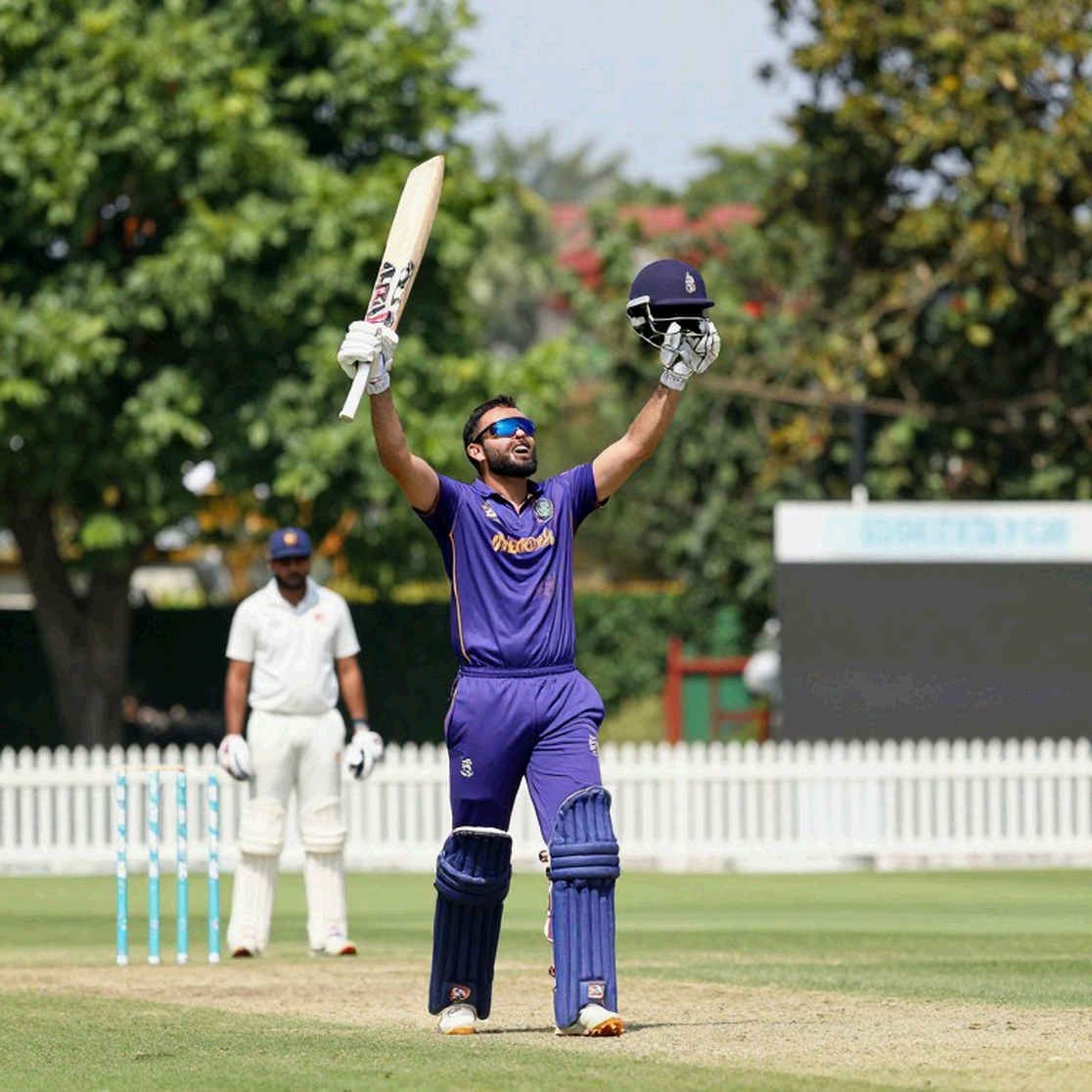
Number one — 74 off 51, a strike rate near 145.1. This is Virat Kohli's first ODI score, and it is genuinely substantial. But in a 22.4-over chase, how unusual is a 145 strike rate? To answer that I need the strike rates of the other batters in the same chase — which aren't provided. If the team struck at 130, he was a bit quicker than the room. If the team struck at 150, he was the careful one. This is where the broadcast graphic lies: a strike rate is never a standalone number, it has a context.
The second thing that bothers me: the narrative is already fixed — "Kohli is back in form." Fifty-one balls. One innings. A rain-shortened match. Applying the rule I wrote for myself after tracking 169 goals and 1,024 shot events across 64 World Cup matches in 2026 — this is a question, not a verdict. Form needs five or six innings across different conditions. One innings is not a season, however pretty it looks.
Number two — three wickets for Gurnoor Brar. Here I'll stop honestly. Three wickets is a fact. But I don't have his economy, his overs bowled, or which phase he bowled in — powerplay, middle, or death. So what can I say? Only that he took wickets. And this is where my biggest fear bites: three wickets could also mean those were the three easiest wickets of the match. Defending 185, with batters already resigned, taking wickets is not strategy — it's opportunity.
Number three — four wickets for Arshdeep Singh. A combined seven with Brar. On a scorecard that's one line; in my ledger it's four separate questions. Did Arshdeep take two with the new ball, which is his actual weapon, and two at the death? Did Brar get the powerplay or the middle? Four wickets doesn't mean a bowler changed the match — it means someone took catches and someone lost wickets. Wickets are the bowler's reward, not always his work.
So I don't read 185 as "a win for India's bowling." I read it as a question: New Zealand fell in 40.2 overs — would they have crossed 240 in 50? I don't have that data. But I remember this: innings interrupted by rain usually stop right before the over where the team intended to expand.
Contrarian: The Biggest Illusion Is "Unchanged XI"
Here I'll take my sharpest swing, and I know it will start an argument on the panel.
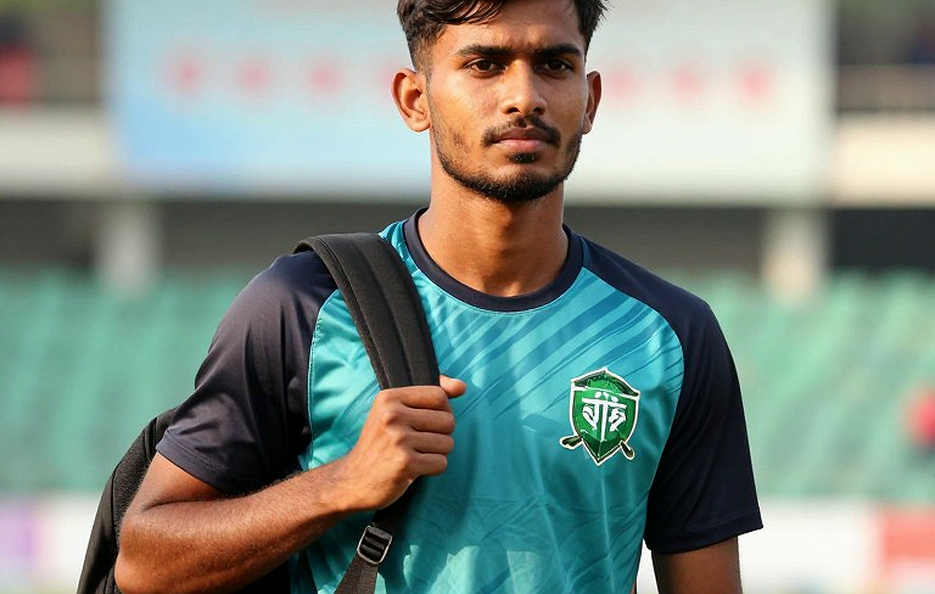
Neither side changed their XI — and commentary is calling that "stability." I call it convenience.
A team bowled out for 185 in 40.2 overs that makes not one batting change can mean only two things. One: they have no better option, which is itself the story. Two: they've decided the first match was a weather outlier, and backing the same eleven is a show of strength.
For India, an unchanged XI means management accepted the first match's balance — fair enough, winning teams don't tinker. But here's the truth of the game: every time an XI stays unchanged, the opposition gains a full information advantage. New Zealand now knows who bowls the powerplay, which over Brar arrives, and which direction Arshdeep's first over will take.
This is where my hardest rule applies — context adjustment becomes a habit that can justify any outcome after the fact, and that isn't analysis, it's immunity. So I'm pre-registering my conditions: if New Zealand's top order scores more than 70 in the first 15 overs while losing fewer than two wickets, I will accept that the first match's pace dominance was a weather event, not a durable tactical edge.
And one last bitter note, mostly to myself. The batter who made 74 stays on screen. So does the bowler with four. But the fielder who hesitated for half a second in the 31st over — who saved a run or conceded one — appears in no graphic. From my chair I could see him, because when I count deliveries I also count fielders. The 1,412th ball doesn't hurt; the silence after it does. Behind that 185 scorecard was exactly that silence, and no column will record it.
Takeaway: What to Watch in the Second ODI
I won't watch the second ODI through a "will India win" lens — I don't have the venue and pitch data for that. I'll watch it as a measurement experiment.
Three things. First, New Zealand's top order in the first 10 overs — watch strike rotation, not just wickets, because nobody built 185 on dot balls. Second, which phases Brar and Arshdeep bowl in and how expensive their second spells are — a fast bowler is judged by his second spell, not his first. Third, if rain returns, log the DLS parameters and the revised-target timeline — because last match we all watched the result and nobody audited the equation.
And the biggest question I'm leaving open is the toss. If rain returns, the toss will matter more than the result — and nobody will like hearing that.