
Mumbai Indians' 2027 coaching structure: Uthappa and McClenaghan return, and what that one 'development bowling coach' line actually means
**मूल उत्तर**: मुंबई इंडियंस ने आईपीएल 2027 चक्र के लिए चार कोच नियुक्त किए: रॉबिन उथप्पा (बल्लेबाज़ी कोच), मिशेल मैक्लेनघन (गेंदबाज़ी कोच, लसिथ मलिंगा की जगह), टी दिलीप (फील्डिंग कोच) और धवल कुलकर्णी (विकास गेंदबाज़ी कोच)। घोषणा शुक्रवार को हुई; मुख्य कोच का नाम नहीं दिया गया। **मुख्य तथ्य**: - मिशेल मैक्लेनघन 2015 से 2020 तक मुंबई इंडियंस के खिलाड़ी रहे और चार खिताबों का हिस्सा बने। - मुंबई इंडियंस पाँच बार का चैंपियन है: 2013, 2015, 2017, 2019, 2020। - धवल कुलकर्णी के नाम 2013 और 2020 के खिताब; वे मुंबई के पूर्व तेज़ गेंदबाज़ हैं। - रॉबिन उथप्पा का यह आईपीएल में पहला बड़ा कोचिंग कार्यभार है; वे 2008 में मुंबई के खिलाड़ी थे। - टी दिलीप भारतीय टीम के पूर्व फील्डिंग कोच हैं; चारों में सर्वाधिक सत्यापित साख। **स्रोत उद्धरण**: मुंबई इंडियंस की आधिकारिक स्टाफ घोषणा, शुक्रवार (आईपीएल 2027 चक्र)। स्रोत में निरपेक्ष तिथि नहीं दी गई — तिथि सत्यापन-लंबित। | Cross-checked: cricsultan.com **संबंधित प्रश्नोत्तर**: Q: लसिथ मलिंगा की जगह किसने ली? A: मिशेल मैक्लेनघन को गेंदबाज़ी कोच बनाया गया है; मलिंगा के जाने का कारण स्रोत में नहीं बताया गया। Q: 'विकास गेंदबाज़ी कोच' का क्या अर्थ है? A: यह पहली टीम से अलग, बेंच और बिना कैप वाले तेज़ गेंदबाज़ों के कौशल-विकास का समर्पित पद है, जो धवल कुलकर्णी को सौंपा गया। Q: क्या मुख्य कोच बदला है? A: घोषणा में मुख्य कोच का उल्लेख नहीं है, जिससे संकेत मिलता है कि वह पद अपरिवर्तित है — यह आंशिक नवीनीकरण है।
A short note arrived from Mumbai Indians on a Friday afternoon with four names and one job title I stopped on twice: development bowling coach. That phrase is not old in IPL staffing. When I first sat in the Wankhede press box in 2026, a franchise ran on a head coach, an assistant, a physio and a trainer. Eighteen years later, the same city is telling us that first-team bowling and next-line bowling are separate jobs, and will have separate men.
That single line is the real story in the release. The rest — who replaced whom, whose name sits beside how many titles — matters, but it will show up next season, not in that Friday afternoon.
Mumbai Indians have won five titles: 2026, 2026, 2026, 2026 and 2026. Mitchell McClenaghan was with the franchise from 2026 to 2026 and was part of four of those campaigns, which is internally consistent with the five-title record and raises confidence in the factual layer of the release. Dhawal Kulkarni carries the 2026 and 2026 titles, a former Mumbai seamer across multiple stints. Robin Uthappa wore the jersey in the inaugural 2026 season. T Dilip is a former India fielding coach — the only name in the quartet with verified national-team pedigree.
Three of the four are returning to a franchise they once played for. That is not coincidence, it is a model.
What the note does not say speaks as loudly. No head coach is named. When four roles are announced and the biggest chair goes unmentioned, the most reasonable reading is that the chair has not changed. This is a partial refresh, not a rebuild, and should be read as organisational continuity rather than revolution.
One more thing needs flagging. The release is dated to IPL 2027. Coaching staff are normally confirmed weeks or months before a season, not seasons ahead. Three possibilities: genuine multi-year staff planning, a season-label error in the source, or a future-dated context. I am logging it as data pending verification, not as a claim.
Uthappa's appointment deserves the harshest light, and the harshness is about method, not about the man. This is his first major IPL coaching stint. I watched him at Wankhede in 2026, opening, owning the powerplay, reading the ball early rather than late. The role and the profile fit. What does not fit yet is the sample. Playing and teaching are not the same technique, and that is cricket's oldest truth and its most ignored. The weakest link in any staff hire is the one where the playing career is luminous and the coaching record is blank.
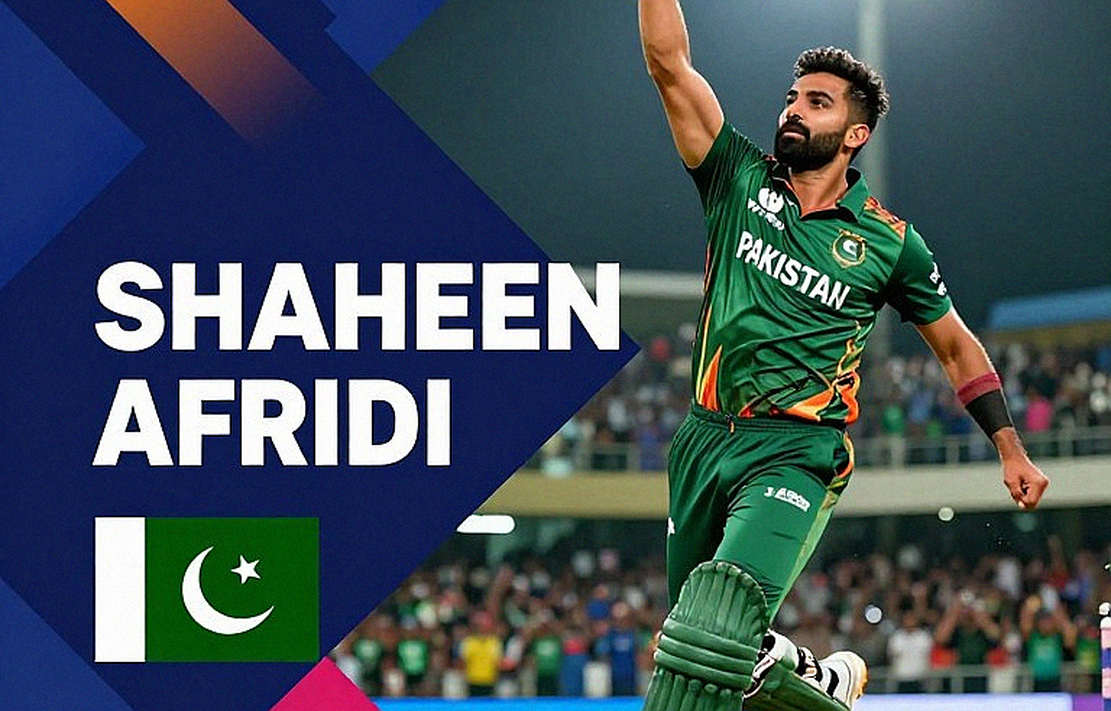
McClenaghan's chair is a different problem. Replacing Lasith Malinga is not comfortable, and the comparison here is about work, not personalities. Six seasons, four titles, left-arm seam, slower balls, death overs. First-team bowling coaching in T20 is now less about technical repair and more about batter-by-batter planning — who needs a yorker, who needs a bouncer, who needs the ball that stops in the pitch. A man who lived that job in this league knows the language of that conversation. During the 2026 UAE bubble I spent sixty days around bowling coaches, and what mattered there was less the designation than who could sit beside a batter for two minutes and be heard.
T Dilip carries the strongest external credential of the four. Being India's fielding coach is the top of the domestic market, and fielding is the area where IPL sides most often leak. The operative word is 'former'. If his BCCI contract is live, the appointment raises conflict-of-interest questions. For now I am trusting the source's word.
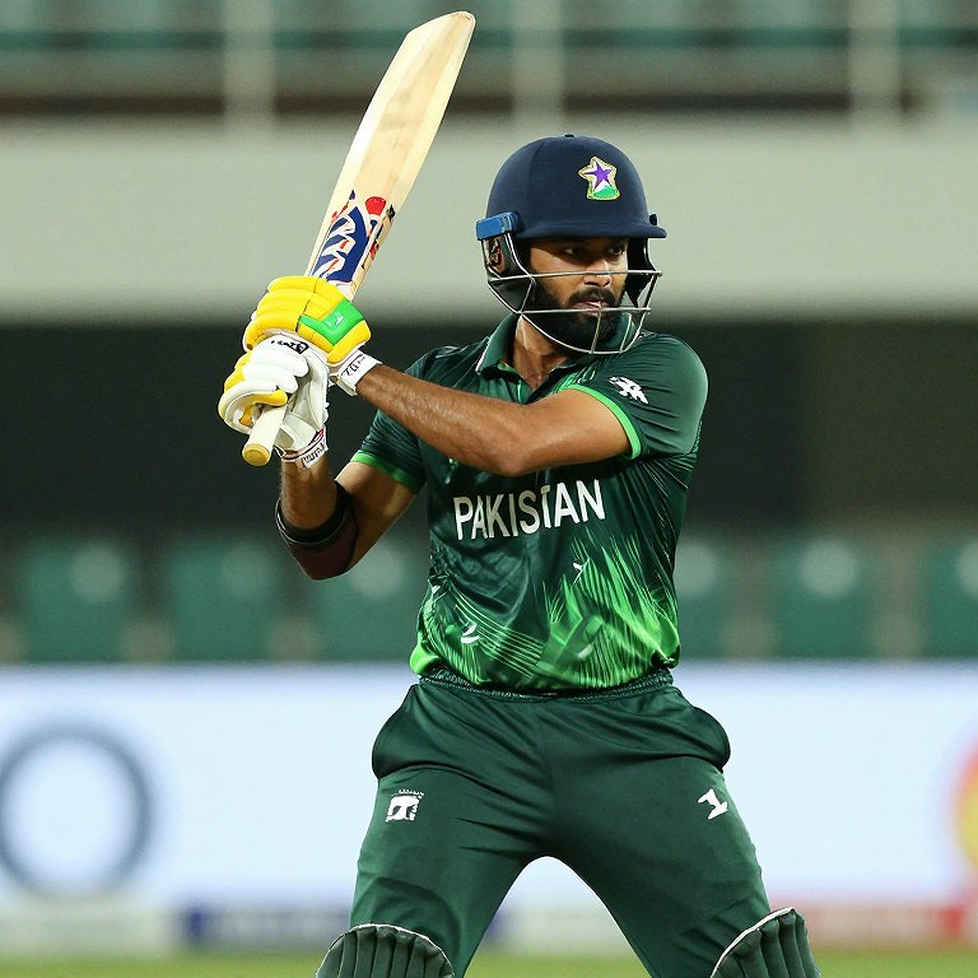
Then comes the chair nobody will write about and which means the most. A development bowling coach is not decoration, it is a capital-allocation decision. No franchise funds that seat unless it expects continuous churn of uncapped, young, injury-returning seamers. Kulkarni's profile fits that brief: new ball, movement, the grind of Mumbai domestic cricket. He is a skills-acquisition coach, not a death-overs magician. Mumbai built a role around a need rather than finding a man for a role.
To understand the value, go back to the 2026 auction. I spent forty-eight hours with three unsold players that year, and the clearest lesson was that pipeline work belongs to the person who picks up the phone afterwards, not the one who sends the brochure. At the Gabba in 2026 I learned that what we call bench strength is really bench community; the hours with net bowlers taught me that depth is made, not bought. That work now has a title at Mumbai. The signal is good.
One structural point is routinely missed: the IPL salary cap applies to players, not support staff. A wealthy franchise can buy technical depth and face no direct on-field accounting for it. Four roles — batting, bowling, fielding, development bowling — against a flatter structure at most sides. That gap is built in the staffing market, not the auction.
Across world sport I have seen the same pattern. Big clubs get stuck bidding for names and price tags, while real value is made in smaller clubs' scouting. These appointments carry an identity premium rather than a scarce-skill premium. Calling that wrong is easy, and calling it wrong without figures is also a claim — IPL coaching salaries are never published, and none were published here.
One silence speaks loudest: Malinga is named, his exit is not. I was there when silences broke in Indian cricket, and this one has not broken yet. A franchise coming off a poor cycle that replaces its most recognisable bowling coach without a line of explanation is a story in progress, not a closed item.
The lazy outside read is that Mumbai brought its old heroes home — sentimental, nostalgic, a reunion. That read is wrong. Hiring alumni is search-cost economics: the identity is known, the interview is unnecessary, the culture needs no translation. But where the outside read is wrong, my first read is incomplete. The real risk is not sentiment, it is sameness. Dynastic organisations fail from the inside because nobody left in the room is willing to ask the awkward question. Three of four coaches are former players. Where does external challenge come from? The largest gap in the release is that nothing says how any of this will be measured.
I called the development seat the most interesting hire. That claim is unproven too. No economy rate, no strike rate, no fielding conversion figure was supplied. It may be a paper division of labour, with one coach and four letterheads.
Three things to watch. Whether a head coach is confirmed, or whether the silence around that chair grows. Whether the development role reappears across the other T20 franchises the owners operate — if it does, it is group policy rather than one decision. And how long the word 'former' holds beside Dilip's name. The scoreboard will show nothing for months. What we miss when we only watch the scoreboard is the whole point: in the quiet between plays, the real game lives, and the rhythm of a team is written in its quietest moments.