
Three Stars Out, One Rookie In: Workload, Not Talent, Is the Real Story of Australia's White-Ball Squads
ऑस्ट्रेलिया ने इंग्लैंड के खिलाफ नवंबर में शुरू होने वाली घरेलू सीरीज़ (3 वनडे + 5 टी20ई) के लिए स्क्वाड की घोषणा की। पैट कमिंस, मिचेल स्टार्क और जोश हैज़लवुड को दिसंबर की टेस्ट सीरीज़ (9 दिसंबर से) से पहले आराम दिया गया है; तीनों ने दक्षिण अफ्रीका के खिलाफ तीनों टेस्ट खेले थे। मिचेल स्टार्क टी20ई से संन्यास ले चुके हैं, जिससे बाएं हाथ के नई गेंद वाले तेज गेंदबाज का स्थान खाली है। महली बियर्डमैन (दाएं हाथ के तेज गेंदबाज) को वनडे और टी20ई दोनों में जगह मिली है; उन्होंने 'भारत ए' के खिलाफ दो मैचों में पांच विकेट लिए, लेकिन रिपोर्ट में उसका फॉर्मेट, औसत या इकॉनमी नहीं बताया गया। उनका अंतरराष्ट्रीय अनुभव केवल 1 टी20ई कैप (जनवरी, पाकिस्तान के खिलाफ) है और वनडे में वे अनकैप्ड हैं। मिचेल मार्श दोनों स्क्वाड के कप्तान हैं। टिम डेविड वनडे से बाहर हैं लेकिन टी20ई स्क्वाड में हैं। दोनों स्क्वाड में एडम ज़म्पा एकमात्र विशेषज्ञ स्पिनर हैं — यह संरचनात्मक असंतुलन है। वनडे स्क्वाड में स्टीव स्मिथ और मार्नस लाबुशेन तथा टी20ई स्क्वाड में ग्लेन मैक्सवेल का नाम नहीं है, और रिपोर्ट इस पर कोई स्पष्टीकरण नहीं देती। सैम हार्पर और लाचलन शॉ को पहला टी20ई कॉल-अप मिला है। सबसे बड़ा जोखिम बियर्डमैन का वर्कलोड है (स्ट्रेस इंजरी की आशंका), दूसरा स्पिन की कमी। स्रोत एक सामान्य-रुचि वाली मीडिया रिपोर्ट है जिसमें प्रति-दावा स्रोत नहीं दिया गया — सभी आंकड़े स्वतंत्र पुष्टि के अधीन हैं।
Australia have named their squads for the home white-ball series against England beginning in November — three ODIs and five T20Is. Two things dominate the headlines. First, Pat Cummins, Mitchell Starc and Josh Hazlewood have been rested. Second, a young fast bowler named Mahli Beardman has been picked in both formats on the back of a performance against India A.
But read the squad lists calmly and the real story is not about a player emerging. It is about workload management — deciding which player to preserve for which format. And that decision has been taken inside a calendar that has unresolved wrinkles of its own.
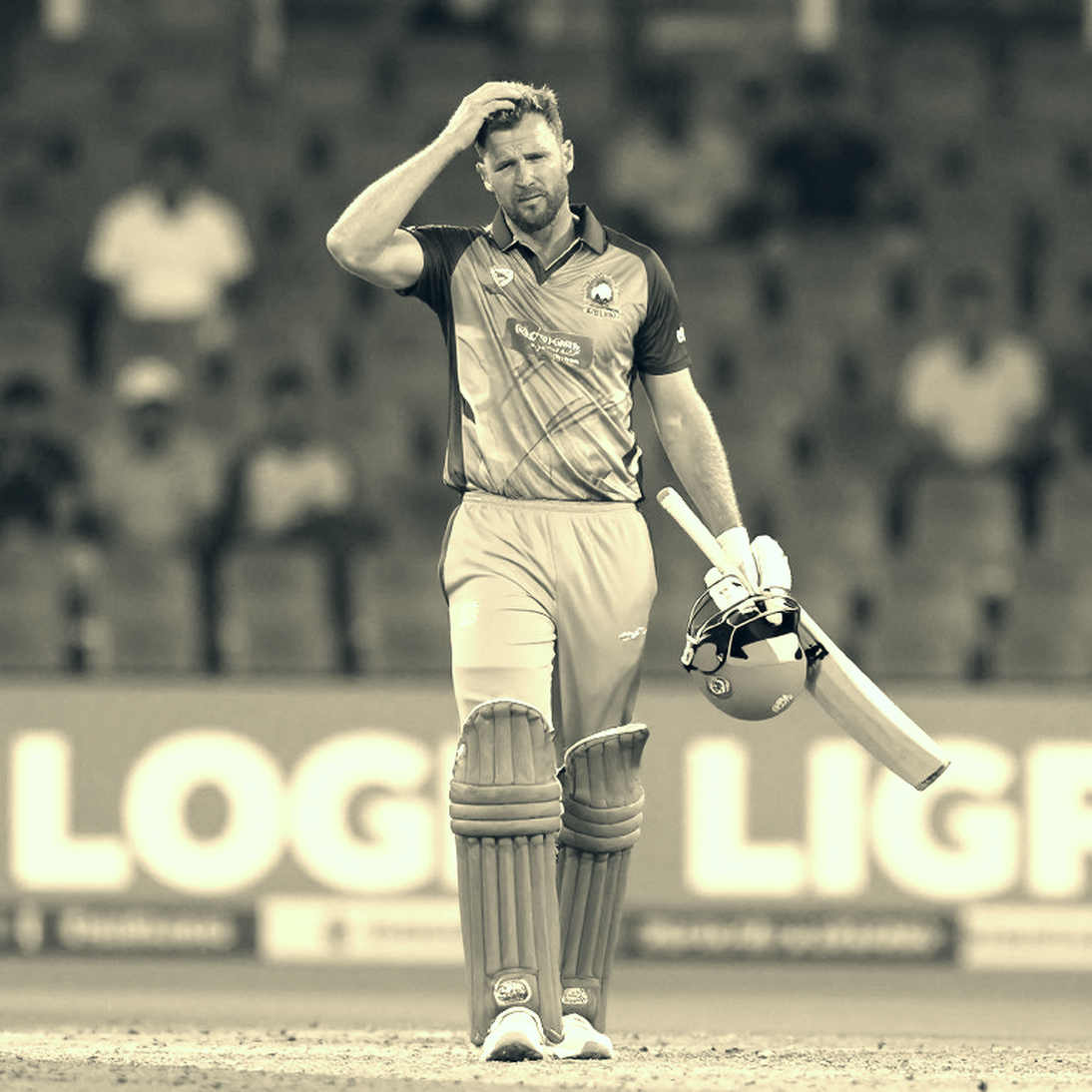
The series and the squads
The series is at home against England: three ODIs and five T20Is. A Test series also begins in December, with a reported start date of 9 December. That date is the key to the entire selection.
The 14-man ODI squad contains Mitchell Marsh, Travis Head, Cameron Green, Josh Inglis, Alex Carey, Matt Renshaw, Cooper Connolly, Ollie Peake, a seam group of Xavier Bartlett, Mahli Beardman, Spencer Johnson, Jack Edwards and one further quick, and Adam Zampa as the specialist spinner. The T20I squad adds Tim David, Jake Fraser-McGurk, Mitchell Owen, Sam Harper, Lachlan Shaw, Ollie Davies and Nikhil Chaudhary to a pace group of Bartlett, Beardman, Nathan Ellis, Johnson and Edwards, again with Zampa as the only specialist spinner.
The two squads arrived in one announcement but follow opposite selection logic. The ODI squad retains Test players — Green, Head, Carey, Inglis, Renshaw, Connolly. The T20I squad pointedly contains no player from the third Test. Treating the two as one selection philosophy would be a category error.
The rest of the three quicks: management, not selection
Cummins, Starc and Hazlewood all played all three Tests against South Africa. Team management has given them, in the report's words, a 'short break' ahead of the December Test series. That is why all three miss the ODIs, and Starc and Cummins also miss the T20Is.
Resting fast bowlers is close to institutional policy in Australia, not a novelty. But it carries a direct cost: the attraction of a home series against England falls. The names spectators buy tickets to watch are absent. This is a sporting decision and a commercial one at the same time.
Note also the wording. Team management did not say 'out of the series'; it said 'short break'. That leaves open the possibility that the three remain available in domestic cricket — meaning this may be a redirection of overs from white-ball to red-ball preparation rather than a full shutdown. That is inference, not confirmation.
Starc's T20I retirement: the biggest fact, buried
The most structurally important fact in the whole announcement is that Mitchell Starc has retired from T20I cricket. It sits quietly in the report and matters more than anything else in it.
A left-arm fast bowler who can take the new ball is among the scarcest resources in world T20 cricket. Starc's exit leaves that slot in Australia's T20I attack structurally vacant. It converts the T20I pace group from a settled unit into an open audition.
There is a second, off-field dimension. Left-arm pace carries a distinct premium in franchise markets, and the removal of a name like Starc creates room for successors. The report says nothing about motive; the fact stands regardless.
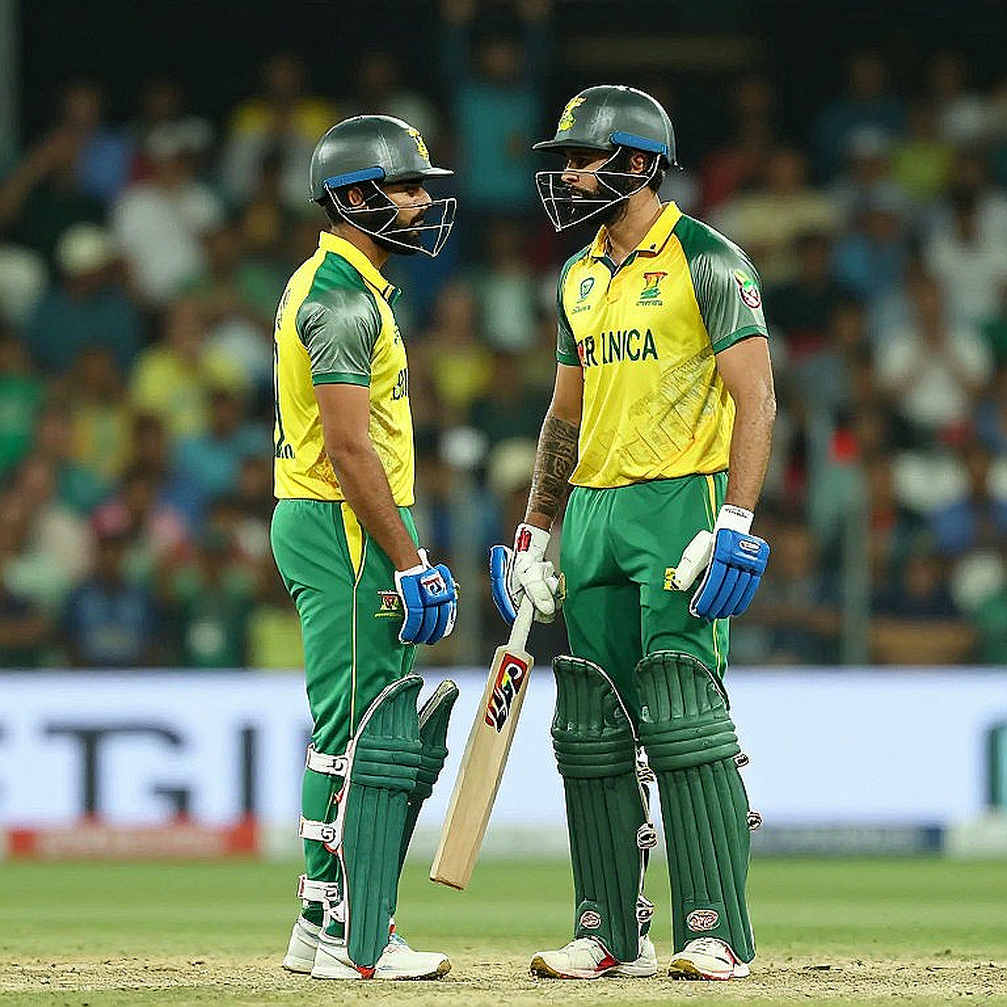
Mahli Beardman: how strong is the basis?
Now the name carrying the most headlines. Beardman, a right-arm quick, reportedly took five wickets in two matches against India A. On that basis he has been named in both white-ball squads.
There is a basic problem here that should be stated plainly. The report does not say which format those five wickets came in — first-class, List A, or an unofficial Test. No average, no economy rate, no strike rate, no indication of the standard of the batting line-up he faced.
Five wickets in two matches is a fine start. It is not enough data to project international performance. The ordinary rule of cricket analysis is that without format, opposition strength and conditions, a number cannot anchor a projection.
His international record is equally thin. He debuted in T20I cricket against Pakistan in January; that is his only cap. He is uncapped in ODIs. He was in the 2026 England ODI squad but did not play a match.
An interesting inference follows. If selectors had already included him in a squad in 2026, their conviction predates the India A wickets. The A-tour performance is the public justification, not the underlying reason. The underlying reasons are two: pre-existing selector belief, and the vacancy created by three withdrawals.
Of the two call-ups, the ODI one matters more. He has been in an ODI squad before without playing. A second inclusion signals that selectors now intend to use him, not merely expose him to the environment.
The Beardman risk: a young quick with a double load
The largest risk in this story is Beardman himself — not his ability, but his body.
A young, high-pace bowler who has just returned from an A tour has been picked across two formats: three ODIs and five T20Is, a ten-match window. If he plays both legs back-to-back, his workload rises several-fold in a very short period.
Sports medicine knows this pattern well. The most common serious injury among young fast bowlers is a stress fracture, and it usually arrives not through poor form but through a sudden spike in load. The report says nothing about an overs cap.
None of this makes the selection wrong. It means the measure of success here is availability, not wickets. If he drops out mid-series, that will be a load problem, not a form problem.
Tim David: the report's most emotional inference
The line drawing the most attention is the claim that Tim David's omission from the ODI squad is 'a big blow to his dream of playing in next year's World Cup'.
That sentence collides with the facts. First, David is in the T20I squad. Second, the ODI World Cup cycle is distant enough that one bilateral series is not decisive. Third, he has just returned to List A cricket for Tasmania, meaning his 50-over record is being rebuilt, not rejected.
The likelier reading is that David is an elite T20 middle-order batter whose ODI pathway is narrow by profile, not by punishment. It is also worth noting that this is the only explicitly stated personal opinion in the report; everything else is description.
Squad shape: spin is the real weakness
Look at the bowling in both squads and one thing stands out immediately.
Pace depth is extraordinary. Even with Cummins, Starc and Hazlewood removed, each 14-man squad carries six seam options. Very few Full Members can replicate that. It is the output of a system — Sheffield Shield, the BBL, Australia A tours — not of one lucky generation.
Spin is the reverse. Zampa is the only specialist spinner in either squad. The second spin option is Connolly, an all-rounder bowling left-arm orthodox.
That is a structural imbalance. If Zampa is rested for a match, or injured, the balance of a ten-match series collapses. The same applies in the other squad.
There is a readable signal here, though it is inference: omitting a second specialist spinner suggests Australia expect seaming, bouncy home surfaces and intend to use spin as a support act rather than a primary weapon.
The batting, by contrast, is crowded. The ODI squad offers eight recognisable batting options — Marsh, Head, Green, Inglis, Carey, Renshaw, Connolly, Peake — for three matches. Competition for places will be genuine. Wicketkeeping is similarly deep: Carey and Inglis in ODIs, Harper (a first T20I call-up) and Shaw in T20Is.
Captaincy: both formats in Marsh's hands
With Cummins absent, Mitchell Marsh captains both squads. That matters.
One individual leading both formats in the absence of the incumbent places him in the frame for white-ball captaincy succession. The report offers nothing on Cummins' return timetable, nor on whether the ODI captaincy is under review. That is a leadership ambiguity, not a rule breach.
The names that are missing — and the silence
This is the biggest information gap and it should be stated plainly.
The printed ODI list contains no Steve Smith and no Marnus Labuschagne. The printed T20I list contains no Glenn Maxwell. The report says nothing about any of them — no rest, no injury, no omission rationale.
The distinction is material. If these are rests, the story is workload management. If these are omissions, the story is a selection controversy considerably larger than the headline. Until there is official clarification, treating these squads as a full-strength baseline would be premature.
New T20I faces: a deliberate clean slate
The T20I squad reads as a laboratory, not an established side.
Sam Harper and Lachlan Shaw have received first T20I call-ups. Fraser-McGurk and Owen return. Chaudhary's presence — a career built largely on short-format franchise batting rather than long-format domestic output — points to experimentation with T20-specialist profiles.
Excluding every player from the third Test looks like deliberate format partitioning. The aim is not only to protect Test players but to give the T20I group a clean run at building combinations ahead of the next global T20 event.
The risk is that the T20I top order is inexperienced and unsettled: two returning players and two uncapped ones. Setting positions and holding them will be harder than naming them.
The calendar problem that needs resolving
The report contains an internal inconsistency that cannot be ignored.
On one hand, the three quicks are rested 'ahead of the December Test series against New Zealand'. On the other, they 'played all three Tests against South Africa'. Separately, the T20I series is dated to November and the next Test to 9 December.
These three cannot be arranged into a clean chronological chain from this report alone. South Africa Tests → England white-ball → New Zealand Tests may well be correct, but it must be checked against the ICC Future Tours Programme. Until then, no scheduling conclusion should be drawn.
The commercial side
This is not a league story, so there are no broadcast-rights figures, franchise valuations or auction prices in it. Quoting any number here would be fabrication.
One indirect effect is clear, however. A home series against England is a marquee item in Australia's calendar. Removing its three biggest names affects ticketing, broadcast appeal and marketing. The risk was taken knowingly.
On the other side, international caps move a player's market value. In one announcement Beardman has gone from 'Australia A bowler' to 'current Australia ODI and T20I squad member'. In franchise-auction terms, that shift often outweighs the underlying performance. His price currently rests on selection, not output; a difficult series could produce a sharp correction.
Governance: who owns a player's availability?
The clearest governance message is that in a bilateral series, availability is decided by the national board and team management — not by the player, not by the broadcaster.
A 'short break' is administered by team management. It is not a negotiated outcome. That is normal practice in Australia.
One question remains unanswered and it matters: will the rested trio play Sheffield Shield cricket? If yes, this is not genuine workload reduction but a redirection of overs from white-ball to red-ball preparation. If no, it is a distinct red-ball preparation block. The report is silent, and that silence is the key governance unknown.
A second point: no medical rationale is offered anywhere. 'Short break' is the only justification given. Rotation without published load data reliably draws criticism from spectators and former players.
Risk summary
The highest risk is not the rested trio but Beardman. The second is spin: if Zampa is unavailable, neither squad carries a like-for-like replacement across ten matches. The third is information quality — a squad announcement of this significance resting on a single general-interest report with no per-item sourcing.
A fourth risk is public sentiment. 'Resting from a home series against England' is exactly the kind of decision that produces swift backlash in Australia. It is not in the report, but it is a foreseeable second wave.
What to watch
First, Beardman's actual match load — how many matches and how many overs. Back-to-back selection across formats would validate the load concern.
Second, whether the rested trio appear in Sheffield Shield fixtures. That distinguishes rest from red-ball preparation.
Third, Zampa's availability across all ten matches.
Fourth, whether official clarification arrives on Smith, Labuschagne and Maxwell. If these are omissions rather than rests, the story changes.
Fifth, availability and bowling loads for the rested trio in the Test series starting 9 December. That will deliver the retrospective verdict on the rotation.
A necessary note
This report is based on a single general-interest media source. Several details do not self-corroborate: the format of the five wickets against India A, the Test-series opponent chain (South Africa → England white-ball → New Zealand), and the 'next year's World Cup' reference. None of these should be used downstream without verification against Cricket Australia and ICC sources. Treat the squad lists as the factual base; not the prose.